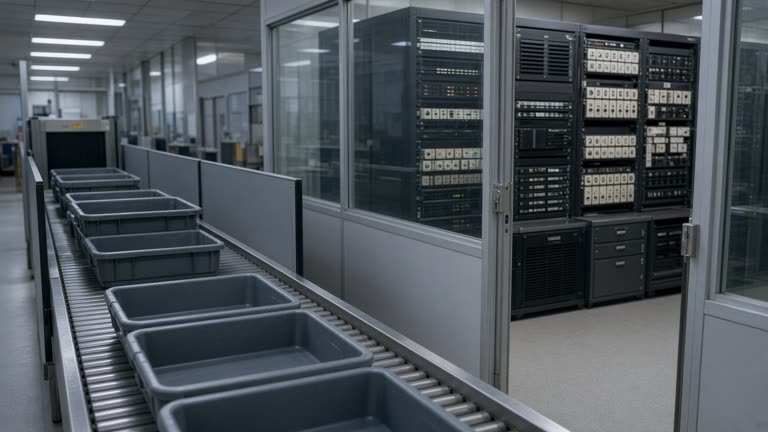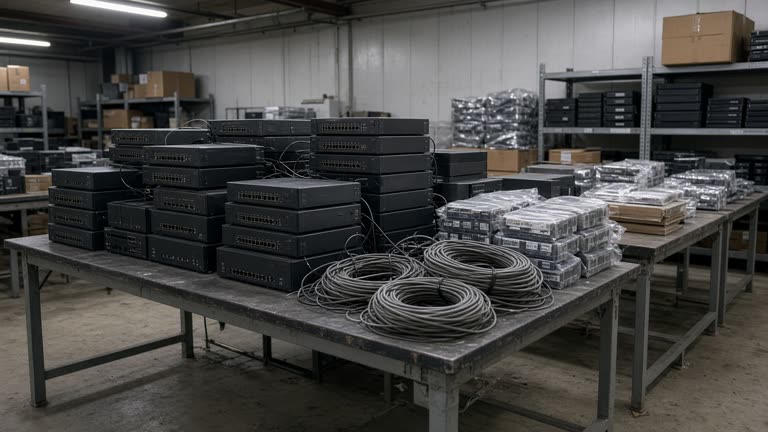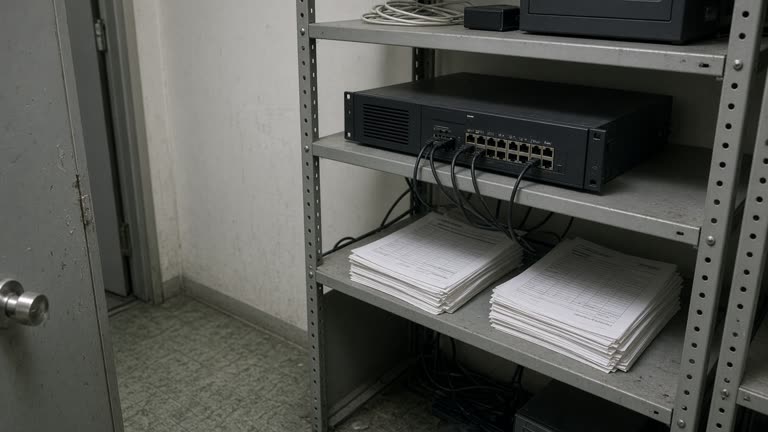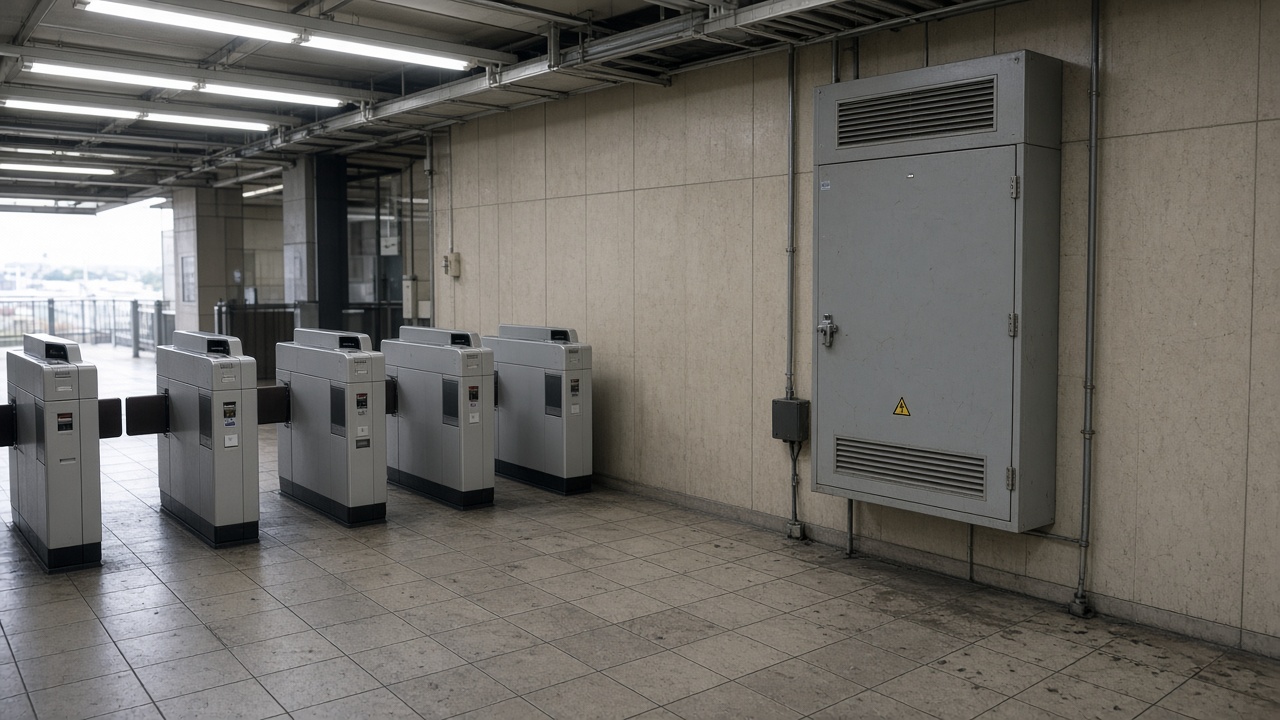
The Cyber Defense Institute, a Tokyo-based certification body that audits operational technology networks for Japanese transport operators, issued a segmentation compliance letter to Keihan Railway on Friday after a staged intrusion test failed to pivot from automatic ticket gates to platform screen-door controllers on the Keihan Main Line. The exercise, run in July but reported this week, is one of the first public OT certifications tying fare-collection VLANs to safety-critical door gear—a pairing regulators have warned about since contactless gates began shipping firmware updates over the same maintenance laptops that program door timers.
What the test simulated
Keihan allowed a three-person red team to plug into a maintenance port behind ticket validators at a station the company asked InfoHandle not to name until passengers notice no service change. The attackers received documented contractor credentials mimicking a gate vendor’s summer firmware push. They could push a test pattern to gate displays but could not open SSH sessions to the platform-door subnet or trigger door-open commands on the safety PLC segment.
Segmentation relied on a combination of IEC 62443-inspired zone firewalls, one-way diodes on safety telemetry, and separate RADIUS realms for gate techs versus door mechanics. Cyber Defense Institute auditors said the railway logged east-west attempts and cut maintenance VPNs within four minutes—faster than Keihan’s own 2024 tabletop assumed.
Why ticket gates became the entry point
Contactless validators run embedded Linux, accept QR codes from mobile wallets, and phone home for blacklist updates. Vendors pitch centralized patch consoles; security teams fear those consoles become skeleton keys. Keihan’s chief digital officer told investors in May that gate firmware would move to quarterly cycles to support tourist QR pilots; security staff simultaneously demanded proof that a compromised gate laptop could not ride into door control.
Japan’s Ministry of Economy, Trade and Industry has urged rail operators to map OT assets under the Economic Security Promotion Act supply-chain reviews. Keihan carries millions of commuters between Osaka and Kyoto; a door malfunction during rush hour is a life-safety event, not a billing dispute.
What certification does and does not mean
The Cyber Defense Institute letter certifies that Keihan met its Level-2 segmentation rubric on the tested line segment as of September 12. It is not a government license and does not cover the entire 90-station network. Keihan must repeat tests after major gate-vendor releases and when platform doors are retrofitted on the Oto Line extension.
InfoHandle confirmed the certificate number with the institute; Keihan declined to publish firewall vendor names, citing procurement confidentiality. Competitors Hankyu and Osaka Metro operate similar gate fleets; neither has published an equivalent third-party OT segmentation letter this year.
Exposure and patching duties
Gate vendors must ship signed firmware and disclose when maintenance tools require internet egress. Keihan said it will require vendors to stage packages on a rail-operated file server rather than pulling binaries directly from vendor clouds on station LANs. Contractors get time-boxed jump accounts that expire when track possession windows close.
Passengers will not see new hardware immediately; the change is mostly invisible routing. Station agents may notice slower remote diagnostics when diodes block reverse paths—that is intentional friction.
Regulatory context
The Information-technology Promotion Agency’s control-system security guides recommend annual segmentation tests for operators moving OT patches over IT laptops. METI’s critical infrastructure dialogues have cited rail fare systems as “soft targets” that touch hard safety gear. Keihan’s certification gives METI a concrete example for peer operators facing similar gate refresh cycles before the 2025 Osaka Expo anniversary traffic bumps.
What comes next
Keihan plans to extend the same zone model to escalator drives at two transfer hubs this winter, pending vendor API support. Cyber Defense Institute will publish a anonymized case study after Keihan reviews passenger communications. For riders, the headline is procedural: a private red team could not turn a forged gate update into an open platform edge—and Keihan now has paperwork to show insurers and regulators it treated that path as credible, not theoretical.