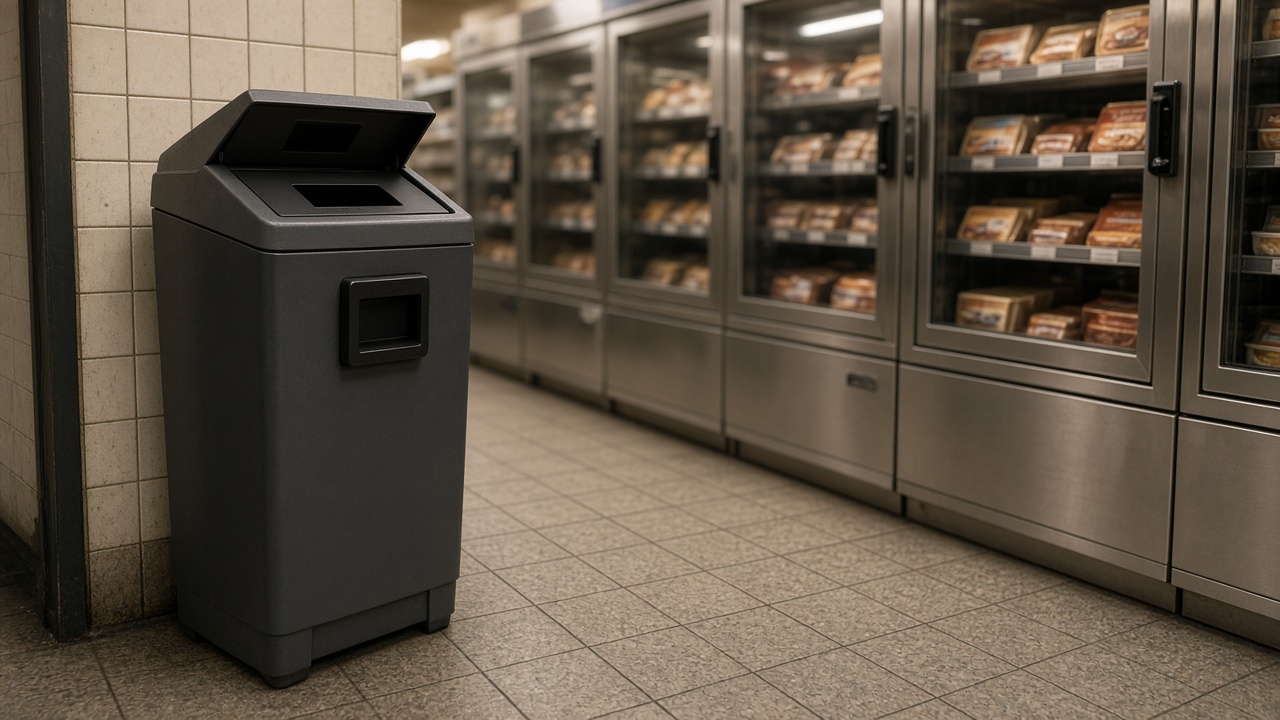
FamilyMart Co. in Taiwan installed RFID readers on waste bins beside microwave meal warmers in twelve Taipei stores as a two-week pilot ending October 3, according to an operations bulletin store managers received Thursday and reviewed by InfoHandle. Tags embedded in meal tray films log when staff discard expired bento and pasta SKUs, giving headquarters a lane-level view of which heat-and-eat items fail after the Mid-Autumn dinner rush.
Who made the call
FamilyMart's food category director signed the pilot after district leaders reported double-digit waste rates on premium microwave pasta lines in stores near office towers that emptied for holiday travel. The test is not a shopper-facing deposit scheme; customers still toss trash normally. RFID triggers only when employees empty warmer cabinets into locked bins routed to certified food-waste haulers.
James Hart's desk tracks these moves because they reveal how convenience chains fight shrink with sensors before raising prices. Rival 7-Eleven Taiwan has tested smart coolers; FamilyMart chose waste bins first to avoid filming customers at microwaves.
What employees were told
Night crews received thirty-minute training on pairing bin scans with inventory apps. If a warmer slot shows zero sales but repeated bin hits for the same SKU, planners investigate mislabeling or overcooking timers. Store leaders were warned not to skip scans to leave early—audit teams will compare RFID logs to POS timestamps.
Franchise owners in Da'an and Xinyi volunteered for the pilot in exchange for waived RFID hardware rental through December. Corporate stores in Nangang joined to benchmark corporate versus franchise waste curves.
Why microwave meals matter strategically
Heat-and-eat is margin-rich but fragile: a two-degree warmer drift can ruin cream sauces that sell on Instagram promos. FamilyMart's autumn push features tie-ins with Japanese drama licensors; wasted trays mean lost marketing rebates if sell-through misses guarantees.
EPA food-waste reporting rules tighten next year for large retailers; RFID bins produce tonnage certificates haulers need for biogas subsidies. FamilyMart positions the pilot as compliance prep, not just kitchen hygiene.
What investors did not hear
Parent company Itochu rarely comments on Taiwan store pilots in earnings calls. The operational memo is the signal: headquarters will expand RFID waste tracking to bento if pasta data proves actionable. Securities analysts covering Japanese trading houses treat Taiwan convenience as a same-store-sales lab, not a profit center on its own.
Shop floor next steps
If waste rates drop fifteen percent on two SKUs, planners will rebalance warmer facings before October commuter traffic. If scans show trash without matching sales, theft or staff meal policy violations enter the conversation—sensitive topics union liaisons asked headquarters to handle centrally.
Suppliers of retort trays must embed tags without melting in warmers; two packaging vendors shipped test films under nondisclosure terms. Failed tags read as null data, so IT teams staged redundant manual counts during the first weekend.
Competitive context
Hi-Life and OK Mart have not announced RFID waste pilots publicly. PX Mart's club format handles waste at distribution centers, not microwaves. FamilyMart's bet is that lane-level scrap data is cheaper than chain-wide smart shelf cameras.
Food safety inspectors said RFID does not replace temperature logs; stores must still post warmer calibration stickers visible to health audits.
What the shops do next
Pilot stores will present dashboards to regional coaches on October 4. Success means fewer night-shift trash runs and tighter orders on promotional pasta; failure means bins go back to dumb steel without headline news. For now, FamilyMart is asking night crews to throw away smarter—strategy as a fight between warmer timers, RFID scans, and commuters who want hot meals without waiting behind tourists reheating mooncake leftovers.
Store managers said commuter breakfast bento lines were excluded from the pilot to keep morning queues moving; if dinner waste data improves margins, breakfast RFID may follow in winter. Franchise councils requested clarity on who pays if haulers charge by tagged tonnage—corporate memo language suggests headquarters absorbs pilot fees but franchisees would share data benefits through rebate pools tied to category growth.
Marketing teams paused Instagram clips showing microwave interiors until the pilot ends, wary of commenters asking about RFID privacy even though shoppers are not tagged. Internal FAQs stress bins read tray films after disposal, not phones at the door.