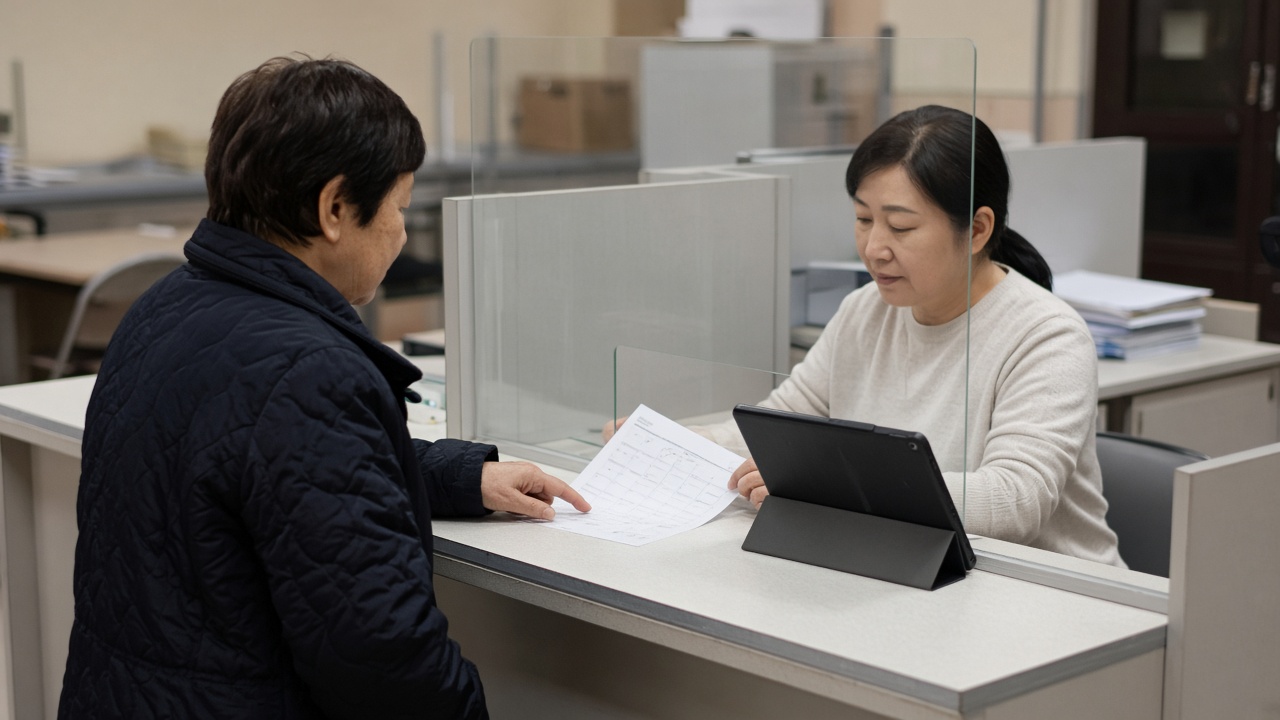
Hiroshima Prefecture opened a ward-level matching portal this month for couples juggling paid work and in-home elder care, letting verified residents propose shift swaps with neighbors whose employers posted compatible blackout dates for autumn holidays. The tool does not replace care managers or agency contracts; it reduces phone-tag when both spouses need the same Silver Week afternoon off but only one certified family caregiver slot exists on paper.
Who the portal serves
Eligibility requires municipal My Number–linked accounts, an active kaigo (long-term care) plan, and at least one cohabiting caregiver registered with a local care manager. Users enter dates they cannot cover and skills they can offer—meal prep, bathing assist, night watch—without advertising medical tasks beyond their certification. Hiroshima City welfare pages list interpreter support by appointment; the portal itself is Japanese-first.
MHLW caregiver support policies promote respite and employer coordination but leave swap logistics to municipalities. Hiroshima’s pilot adds structured matching after focus groups described LINE group chats that fell apart when strangers promised coverage then canceled.
How matching works
Algorithms prioritize same ward pairs to keep travel times walkable for elders with dementia who panic when familiar faces disappear. When two households align, the portal generates a PDF notice care managers must countersign before agencies bill hours. Employers upload optional letters confirming swapped shifts; the desk treats those as courtesy, not legal guarantees.
Privacy filters hide addresses until mutual acceptance; only ward names and age bands display during browsing. Abuse reports route to municipal welfare investigators, mirroring existing domestic support hotlines.
Limits couples hit
Swaps cannot exceed certified weekly hour caps or violate agency minimum visit lengths. If one side needs hoist equipment the other lacks, the portal blocks matching and suggests respite grants instead. Foreign residents without kaigo certification cannot participate as paid substitutes—volunteer neighbor help stays outside billing.
Same-sex couples and non-married partners registered as caregivers are included; the portal uses caregiver registry IDs, not marital status. That matters in a prefecture aging faster than national averages, with many households relying on two incomes.
Advice, narrowly
Try the portal before assuming agencies will always say no—managers told InfoHandle many denials were data errors, not policy. Still keep agency phone numbers for emergencies; swaps fail when typhoon warnings trigger sudden overtime. If matching rates stay low through November, prefecture staff will merge wards or fund shuttle aides rather than pretend software replaces trust built over years on the same apartment floor.
Pilot metrics
Prefecture dashboards track match completion versus abandoned requests; early September tests in Naka and Minami wards showed roughly one in four proposed swaps reaching signed PDFs. Failures clustered around employers who would not upload blackout letters—planners may drop that field as mandatory while keeping care-manager signatures non-negotiable.