The Ministry of the Interior and Safety said Monday it will run tenant advisory ballots in five metropolitan districts starting October, after jeonse deposit disputes filed with legal aid clinics rose 22 percent year-on-year. The non-binding votes let leaseholders document objections before landlords file fast-track eviction suits tied to building sales.
Pilot mechanics
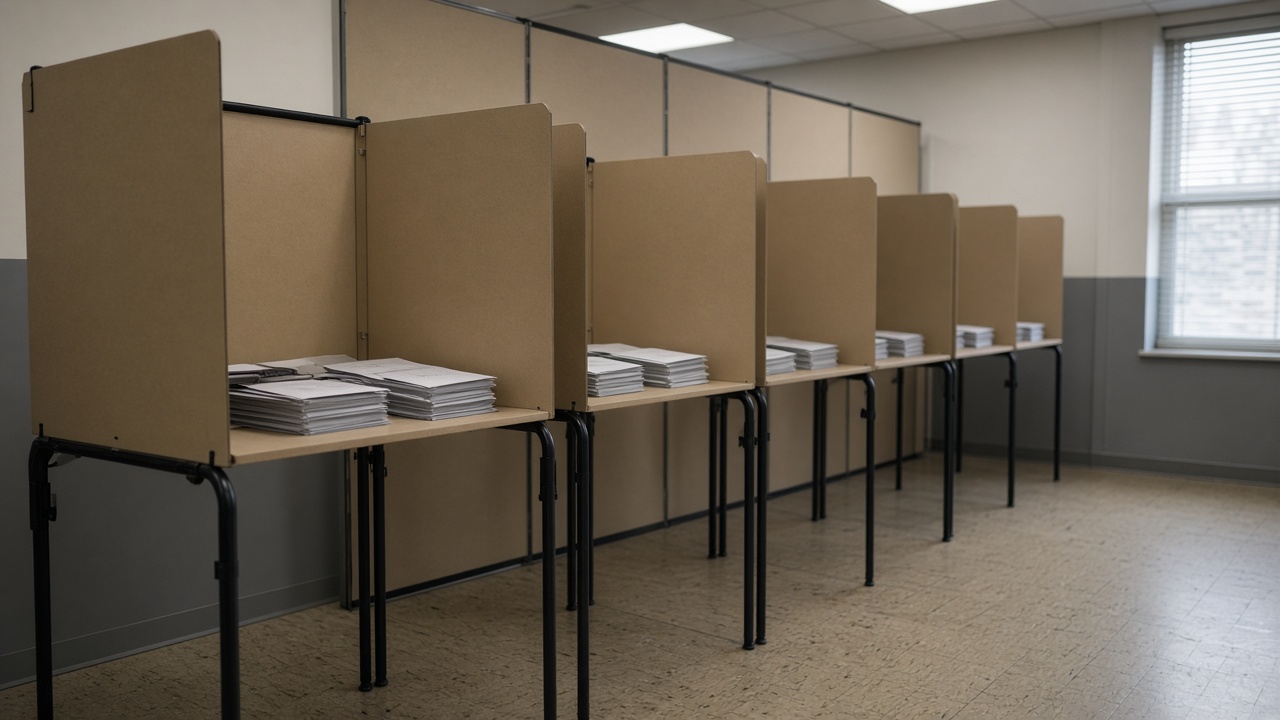
Participating wards in Incheon, Daejeon, Gwangju, Suwon, and a northern Seoul cluster will open community-center rooms for 72-hour ballot windows when a landlord registers a planned sale with the local housing office. Tenants need not attend hearings to cast envelopes; results go to district mediation panels and court dockets as citizen submissions—not verdicts.
Interior officials stressed the ballots do not block sales. They create a timestamped record when owners claim unanimous move-out consent but multiple households dispute it.
Why now
Supreme Court statistics show median jeonse dispute cases took 11.4 months to reach first mediation last year. Buyers increasingly demand vacant possession, pushing owners to pressure tenants with shortened renewal notices. Legal aid lawyers said forged consent signatures appeared in 14 percent of Incheon samples reviewed this spring.
The pilot borrows tools from union representation elections—secret counts supervised by neighborhood officials—but applies them to civil lease fights, a novelty MOIS acknowledged may face constitutional challenges from property-rights groups.
Landlord pushback
A landlord association called the ballots “populist delay.” Interior responded that participation is optional for owners too: sales proceed, but judges see whether tenants were consulted. MOIS will not publish individual votes, only aggregate dissent rates by block.
Limits and unknowns
It is unclear whether courts will weigh ballot outcomes in provisional injunctions; the Supreme Court has not issued guidance. Funding covers only the five pilots through March; nationwide rollout depends on mediation backlog cuts.
Foreign leaseholders with limited Korean can use translated ballots in English and Vietnamese in Incheon and Suwon only—other sites Korean-only for now.
What tenants should expect
Clinics staffed by Korea Legal Aid Corporation will explain that advisory votes are not rent strikes. Tenants still must pay deposits into escrow accounts the pilot promotes, a separate MOIS rule change effective 1 September.
Mediation backlog
District mediation panels in the pilot cities averaged 47 pending jeonse cases each in August; Interior hopes timestamped ballots shrink owner bluffs about unanimous consent before cases land in court. Early simulations in Suwon cut pre-trial meetings by one session when dissent rates topped 30 percent on a block.
MOIS will publish aggregate pilot metrics each quarter, including how often buyers renegotiated sale prices after learning tenants objected. Property-rights groups may sue over the ballot process; the ministry said it secured a constitutional review slot for October.
Local housing officers receive four hours of training on ballot chain-of-custody—sealed boxes, dual keys, public observation windows—the same standards used in small-scale union recertification votes.