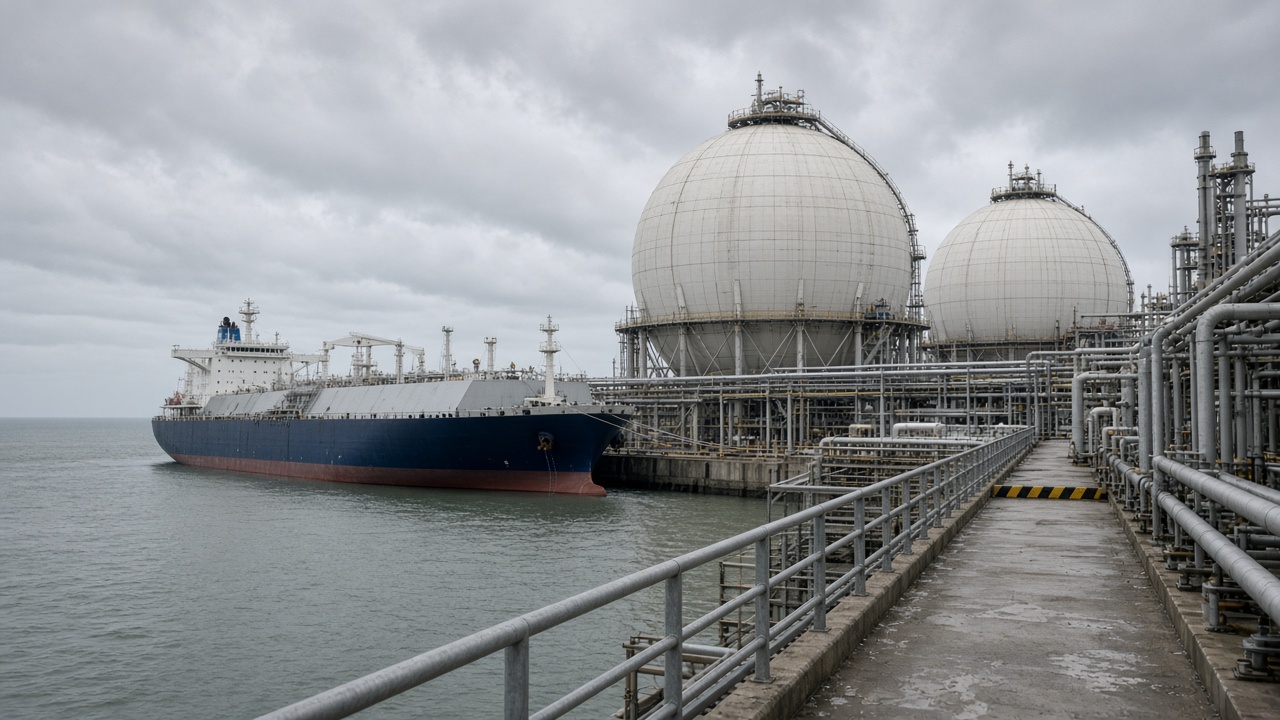
Tokyo Gas has booked extra LNG tender slots for fourth-quarter delivery after industrial customers accelerated autumn nomination schedules, forcing the city-gas supplier to cover a wider spot window even as the yen’s slide raises landed-cost math on dollar-denominated cargoes.
What the company decided
Procurement managers told large industrial accounts this week that October through December tender participation would rise versus the summer trim, according to plant energy officers on the calls. The shift follows steel, chemical, and glass makers restarting lines after summer maintenance and ahead of year-end production pushes—demand Tokyo Gas models as a sharper ramp than the gradual recovery seen after 2025’s mild autumn.
City-gas sales to factories are still below pre-pandemic peaks on some corridors, but nomination curves for high-calorie gas have steepened since late August. Tokyo Gas’s desk said it would hold more flexible delivery windows on Pacific and Indian Ocean routes rather than rely solely on term volumes indexed to oil-linked formulas, a tactical move when spot Asian LNG benchmarks have swung on European storage draws and Australian maintenance outages.
Yen and landed cost
Treasury teams at Tokyo Gas flagged dollar invoice exposure on roughly half of incremental spot slots, with internal hedging only partial through the quarter. Bank of Japan daily fixings near multi-year yen lows mean the same cargo costs more in yen before regasification and pipeline tariffs—a pass-through industrial users will see on fuel adjustment lines unless long-term contracts absorb the move.
Industrial councils in Kanto asked whether Tokyo Gas could diversify tender currency or accelerate JPY swaps; the utility reiterated that most LNG sales contracts remain yen-denominated at the burner tip while procurement stays dollar-heavy, a mismatch finance monitors every autumn when nominations rise.
METI stockpile context
Ministry of Economy, Trade and Industry guidance continues to treat LNG as the swing fuel for power and heat while nuclear restarts proceed plant by plant. Strategic stockpile policy and private utility inventory targets sit in the same conversation as tender timing: METI’s public materials stress adequate winter buffers without naming individual buyers, but city-gas operators know regulators watch days-of-cover statistics ahead of cold snaps.
JOGMEC market bulletins tracking Asian spot and Japan import prices give Tokyo Gas traders external anchors when they decide how many tender slots to leave open versus term liftings. This autumn’s industrial rebound coincides with maintenance on several regional LNG export trains, tightening prompt cargo lists and raising the premium on slots secured early.
Who wins and loses inside
Industrial sales teams win credibility with factories that feared rationing during peak weeks; procurement bears margin risk if spot prices spike after tenders clear. Residential tariff desks are insulated in the near term by regulated city-gas menus, but any sustained yen-plus-LNG move eventually surfaces in fuel cost adjustment filings industrial customers read before households.
Competing utilities in the Tokyo metropolitan area watch Tokyo Gas nominations as a demand signal for pipeline gas and power generation dispatch. If industrial uptake overshoots, downstream power buyers may compete for the same regas capacity at Hitachi and Sodegaura receiving terminals—logistics planners already reserved maintenance windows that cannot overlap with peak send-out.
What filings do not say
Quarterly investor slides discuss average procurement costs in aggregate, not week-by-week tender counts. Plant controllers said Tokyo Gas shared a one-page autumn outlook with top fifty industrial accounts but did not publish tender slot totals, leaving smaller factories to infer tightness from nomination confirmation delays.
Credit analysts note Tokyo Gas balance sheet capacity for inventory builds remains solid; the story is operational timing, not liquidity. Bond investors care more about whether industrial recovery sticks than about a single quarter’s spot purchases.
What happens next quarter
If autumn industrial output meets METI’s industrial production forecasts, Tokyo Gas may extend tender participation into January slots normally left to term suppliers. If the yen stabilizes and spot Asian LNG softens, procurement could release booked flexibility back to the market—a reversal industrial buyers want written into nomination policies before they commit to winter run rates.
Until October tender results circulate, Kanto factories should expect confirmation letters citing “expanded spot coverage” rather than cargo-by-cargo detail. For David Wong’s desk, the call is straightforward: Tokyo Gas chose to buy optionality before industrial gas demand reasserts itself, accepting currency and benchmark risk so factories restarting lines do not stall on nomination shortfalls.