Amorepacific started humidity-chamber SPF re-tests on three sunscreen SKUs after Busan dermatology clinics reported clusters of patients saying labeled protection failed during July and August monsoon weeks, the company said Sept 21. The Ministry of Food and Drug Safety is monitoring results but has not ordered a recall while tests run at Amorepacific’s Yongin lab and an external ISO-certified chamber in Gyeonggi.
What clinics actually saw
Busan practitioners told the Busan Dermatological Society they saw more outdoor workers and beach commuters with sunburn patterns on shoulders and necks despite self-reported reapplication. The society circulated a non-binding advisory Sept 12 urging double application on humid days; it did not name brands. Amorepacific’s internal complaint line logged 214 humidity-related tickets from Busan retailers—small against national sales, but enough to trigger retesting under the company’s post-market surveillance rule.
INCI and claims on the line
The three lines use MFDS-registered UV filters including bis-ethylhexyloxyphenol methoxyphenyl triazine and diethylamino hydroxybenzoyl hexyl benzoate, with SPF 50+ and PA++++ labels under functional cosmetics rules. Daeun Hwang’s bottle check: labels promise “UV blocking help,” not cancer prevention—legal wording MFDS enforces. Amorepacific is not changing formulas during retests; it is measuring whether film integrity drops above 85 percent relative humidity in a sweat-simulation protocol adapted from ASEAN sunscreen guidance.
Testing protocol
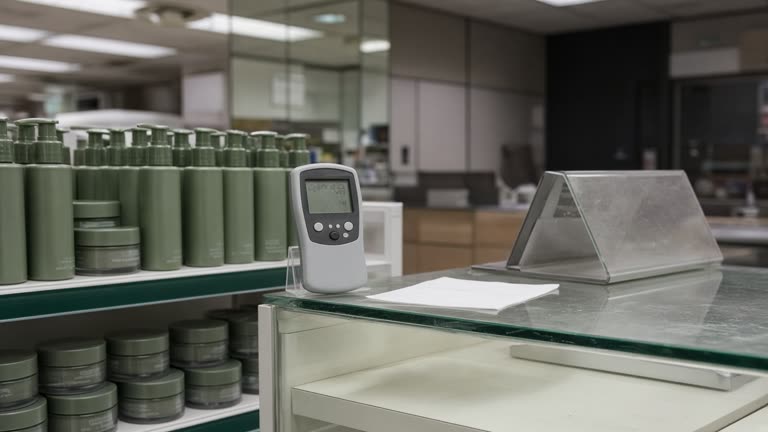
Panels apply two milligrams per square centimeter—the MFDS standard—then sit in a 32°C chamber at 90 percent humidity with controlled air flow mimicking Haeundae sea breeze. Technicians measure transmission at two-hour intervals. Preliminary internal slides shown to MFDS observers suggested one body-mist variant slipped below labeled SPF at the four-hour mark in pilot runs; final numbers are due Oct 1.
Retail and clinic response
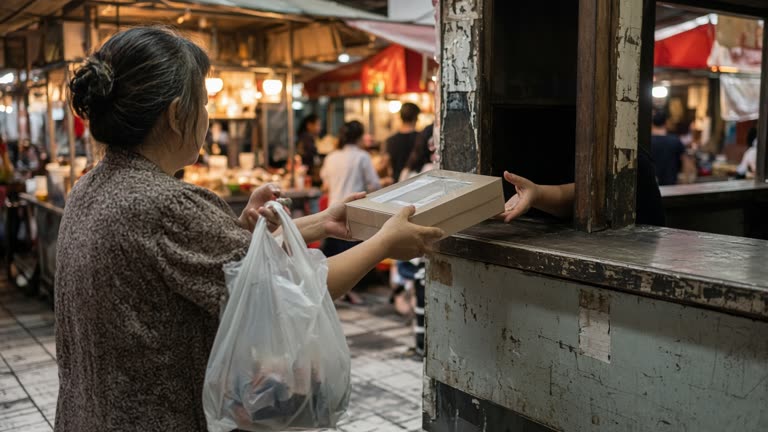
Olive Young stores in Busan received extra staff training sheets on shaking mists before spray and layering creams on ears—marketing collateral, not a formula change. Clinics asked whether patients should switch to stick formats; Amorepacific’s medical liaison said sticks use the same filters but different film formers, and retests include one stick control.
MFDS posture
Functional cosmetics do not require pre-market humidity data, only standard SPF in vivo or in vitro panels. MFDS can order label changes if post-market tests fail, but officials told Hankyoreh they await third-party confirmation before any public correction order. Amorepacific pledged to publish summary data regardless of outcome—a voluntary move after 2024 powder-SPF scrutiny.
What consumers should do
Keep receipts; if final tests fail, Amorepacific said it will offer exchanges through retailers, not cash refunds, following standard cosmetics recall practice. Until Oct 1, dermatologists recommend physical barriers—hats, sleeves—on muggy days when sweat dilutes film faster than lab models predict. The story is not a banned ingredient; it is whether Korea’s humid monsoon exposes gaps between clinic SPF numbers and commuting reality.