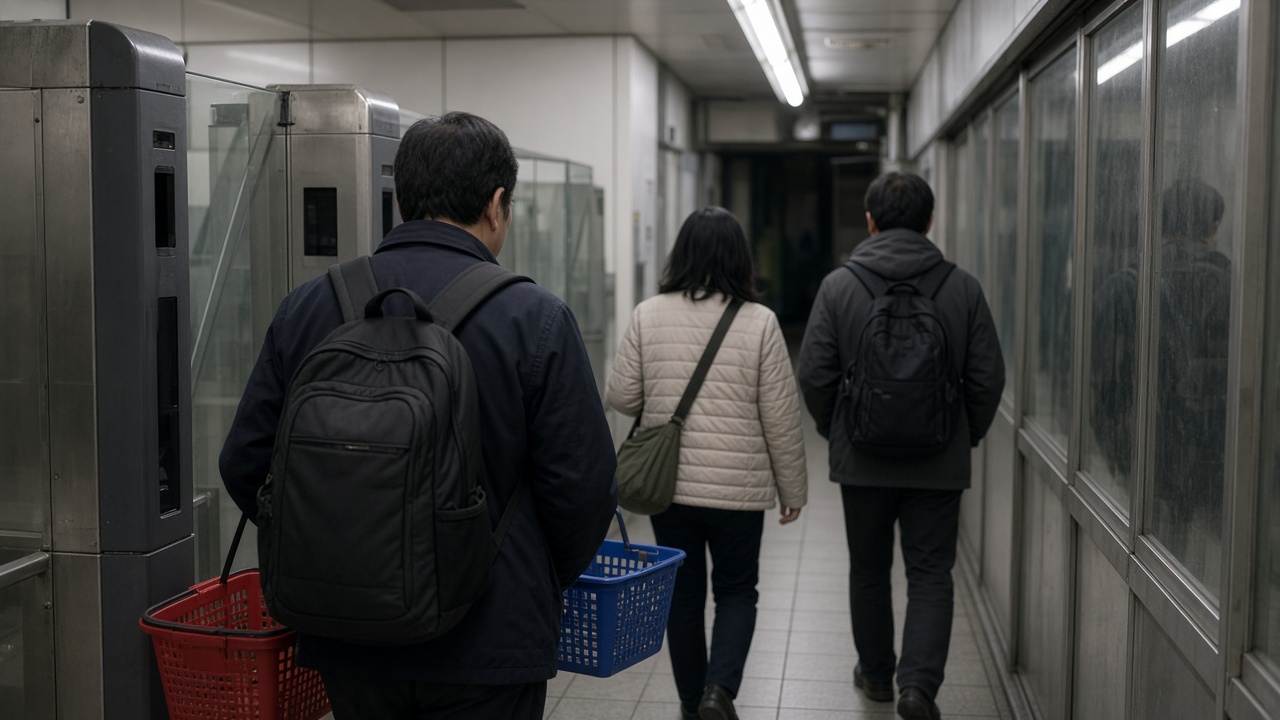
Taiwan FamilyMart Co. began testing RFID self-checkout lanes at three Taipei Metro in-station stores this week, starting at Zhongshan and Taipei Main Station concourses where commuter traffic rebounded through the third quarter. Shoppers place baskets on a reader pad, pass tagged drinks and packaged meals through a gated aisle, and pay with the same mobile wallets already used at highway rest-stop frictionless pilots.
Why MRT concourses now
Taipei Rapid Transit Corp. lists FamilyMart shops inside multiple transfer hubs, including Taipei Main (R10/BL12) and Zhongshan (R11). Those sites see rush-hour spikes that overwhelm single-lane self-checkout kiosks installed after the pandemic. FamilyMart’s 2025 annual report said consolidated revenue rose 4.7% to more than NT$110 billion while the chain pushed “Technology Store 4.0” formats, including a grab-and-go computer-vision store in Yangmei.
Metro retail managers told vendors they want shorter queues without adding headcount ahead of the Mid-Autumn travel weekend. RFID is a middle path: less capex than full vision stores, faster than scanning each barcode.
How the trial lane works
In the pilot layout, low-value SKUs carry UHF tags applied at a back-room encoding station. Customers tap EasyCard or credit cards at the lane exit; untagged hot foods still route through staffed registers. FamilyMart declined to share read-rate targets but said the test copies tag workflows trialed at its 2018 Chongqing S Road concept store, where Taipei Times reported RFID among IoT tools aimed at reducing manual stock checks.
Store staff said the learning curve is mostly about explaining why some bento boxes cannot use the aisle. Security gates chirp when tags mismatch basket weight sensors—a compromise borrowed from bookstore RFID pilots.
Traffic data behind the timing
Internal slides shown to franchise councils, described by two attendees, cited high-single-digit year-on-year passenger growth at underground shops between July and September as tourism and office occupancy normalized. RFID lanes are positioned as labor arbitrage: redeploy one clerk to food prep during evening peaks.
New Taipei Metro’s separate FamilyMart x New Taipei Metro concept at Circular Line Shisizhang Station already mixes self-checkout with station staff cross-trained as clerks; Taipei Metro’s trial keeps stores fully franchised but shares traffic analytics through the mall-operations portal.
Privacy and payment questions
Consumer groups asked whether RFID serialization could track individuals. FamilyMart said tags are stripped at exit and that transaction data follows existing electronic-payment rules. The Personal Data Protection Commission has not opened a review, but legislators from the transportation committee said they will request a briefing if the trial expands.
Competitive context
7-Eleven dominates absolute store count in Taiwan, yet FamilyMart leads on chained technology tests with parent Itochu. A successful MRT rollout could become a template for Kaohsiung and Taoyuan airport lines, where convenience sales per square meter rank among the highest nationally.
What success would look like
Executives set a 12-week evaluation: average queue time under three minutes at peak, shrinkage below staffed lanes, and NPS scores that do not drop among elderly riders. If metrics hold, RFID aisles may appear at Songjiang Nanjing and Sun Yat-sen Memorial Hall shops before year-end.
Until then, commuters will still see mixed lanes—RFID for bottled tea, humans for hot snacks—and Taipei Metro’s shop directory will list the same FamilyMart signs, with one more sensor pad hidden under the basket rack.
Franchise economics
Franchisees pay for RFID hardware through a revolving fund managed with Itochu suppliers, amortized over 36 months. Taipei Metro’s lease addendum allows fixture upgrades without re-bidding if footprint stays constant—a detail that let Zhongshan install gates between weekend closures.
Analysts said RFID margins improve when attach rates on tagged beverages exceed 40% of basket value; FamilyMart’s trial SKUs skew toward tea and dairy, categories with high commuter attach in historical POS extracts shared at the franchise conference.
Taipei Metro’s operations center will receive weekly shrinkage reports from the trial lanes, a data feed that could inform how the agency prices future retail concessions if RFID reduces staffing needs without increasing theft.