Tokyo Electric Power Grid Co is racing to clear a Chiba-wide outage map that still showed about 52,560 homes and businesses without electricity on Monday morning after Typhoon Dujuan tore through Kanto with wind gusts that toppled feeders across the Boso Peninsula, a scale of damage that forces TEPCO to choose which hospitals and rail-adjacent corridors get bucket trucks first.
What the grid operator is reporting
TEPCO Power Grid's public outage counter, updated through the disaster-information portal, pegged Chiba prefecture as the concentration of remaining blackouts while neighbouring Tokyo wards largely returned to service over the weekend. Field supervisors said flooded underground vaults in Narita and Yachimata slowed re-energisation because crews had to pump water before switching breakers, a sequence that does not show up in headline restoration percentages.
The company has not published a firm all-clear time for the prefecture, telling municipal liaisons that helicopter patrols would continue along coastal 66-kilovolt lines where salt spray compounded wind damage. Silver Week holiday load is lower than a normal Monday office peak, but convenience stores running on backup generators are burning diesel faster than logistics firms planned when they pre-staged fuel after last year's typhoon season.
What filings and past storms imply
TEPCO Holdings' regulatory filings separate transmission assets from the power-grid subsidiary that operates distribution; storm costs typically flow through allowed revenue caps rather than immediate earnings warnings. Investors who lived through Faxai in 2018 remember weeks of Chiba outages that became a political story about buried cables and aging wooden poles—the same inventory Dujuan stressed again along inland farming towns.
Chief executive and grid executives have emphasised smart-meter visibility to pinpoint address-level outages; this storm tests whether that data shortens truck rolls or merely maps misery faster. Municipal open-data feeds in Chiba City showed cooling centres reopening only where power returned, a public-health tie-in that raises stakes beyond customer satisfaction scores.
Who wins and loses inside
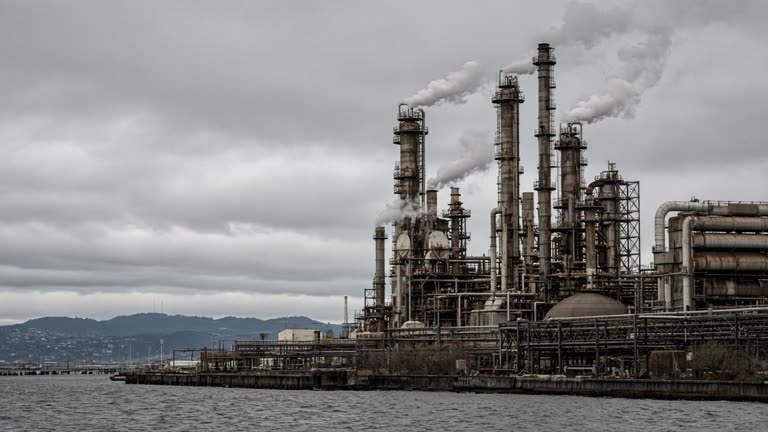
Contractor crews on overtime see revenue spikes while corporate procurement negotiates emergency transformer leases. Large industrial users with dual feeds, including petrochemical sites along Tokyo Bay, largely stayed online; the pain clusters in residential subdivisions where single radial lines serve hundreds of meters. Retail landlords in Makuhari messe-adjacent districts face lost foot traffic after expo cancellations, but their HVAC loads also stay off, partially muting demand until tenants return.
TEPCO's customer-service centres added Silver Week staffing, yet hold times lengthened when mobile networks congested—exactly the scenario disaster manuals warn about when push notifications cannot reach phones with dead batteries. Union crews asked for heat-stress rotations because humidity returned before power did, a labour issue that can delay the last ten per cent of restorations.
Brokers and the next quarter
Equity analysts rarely model typhoon O&M line by line, but bond investors watch whether TEPCO will tap storm reserves or defer vegetation-trimming budgets. Chiba prefectural officials already requested a damage survey for national disaster subsidies; approval would reimburse public facilities but not private utility capital spending.
Competing regional utilities offered mutual-aid line crews under industry agreements; accepting help requires harmonising safety protocols and billing settlements that take weeks. TEPCO's choice to prioritise Narita airport feeders before inland residential blocks reflects both national infrastructure pressure and contractual minimum service levels with the transport ministry.
What happens before year-end
Restoration pace through Tuesday will determine whether Silver Week return traffic on Wednesday meets functioning traffic signals and rail escalators. Any secondary landslides from saturated slopes—Japan Meteorological Agency rainband models still flag risk—could snap repaired spans and reset the counter.
If outages fall below five figures by Thursday's cash-market reopen, the episode stays a regional headline; if tens of thousands remain dark into the weekend, expect Diet members from Chiba to demand undergrounding timelines and compensation frameworks. For TEPCO Power Grid, the operational promise is the same as after every major typhoon: restore safely, publish honest counts, and absorb the political heat while poles go back up—David Wong's desk watches whether this week's numbers match what block captains see from the ground.
Household checkpoint
Residents filing damage claims for spoiled refrigerators should keep meter photos and outage timestamps from TEPCO's web tools; insurers cross-check against the same portal brokers use to sanity-check corporate business-interruption riders. Until the counter hits zero, assume rolling blackouts on repair zones even where neighbouring streets already glow.