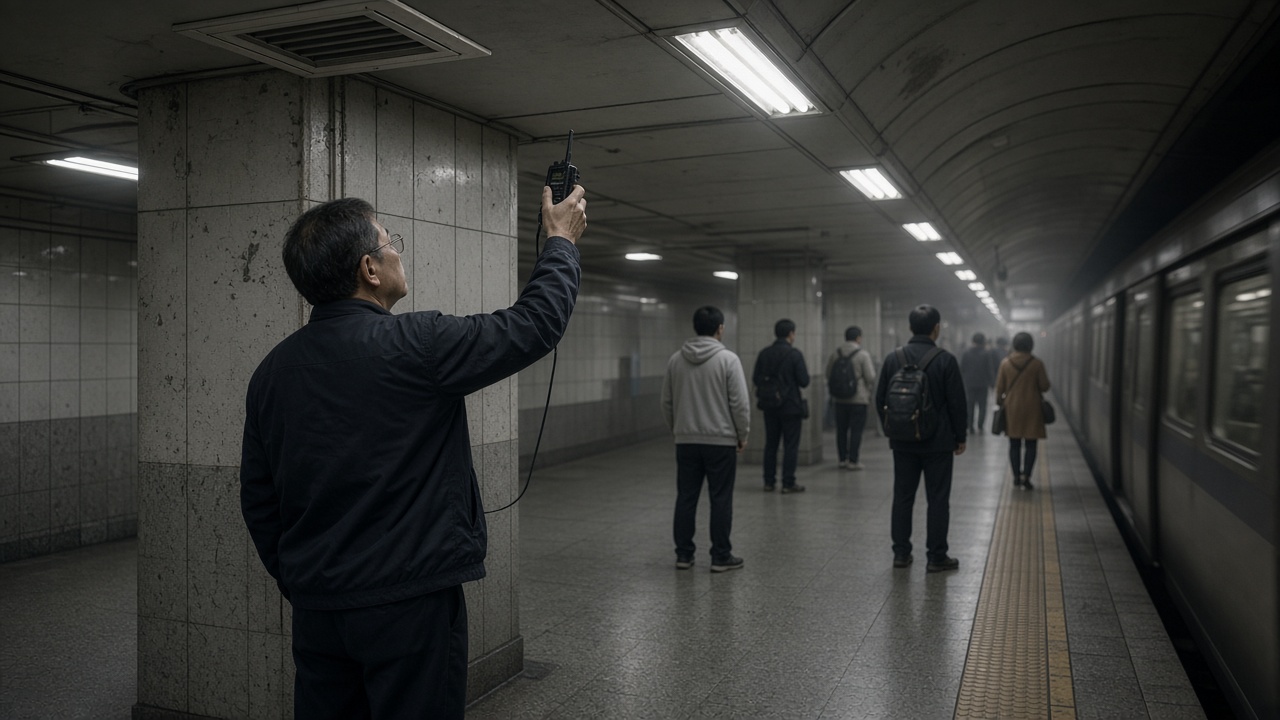
Chunghwa Telecom Co. completed a mid-band 5G distributed-antenna refresh across Kaohsiung MRT tunnel segments that summer outage reviews flagged for handoff gaps between Orange and Red lines, according to a joint bulletin Kaohsiung Rapid Transit Corp. and CHT published Monday and maintenance logs InfoHandle reviewed. The work is infrastructure, not a consumer rate plan—commuters should see steadier 5G registration in underground stretches where humidity and metallic trains previously forced phones to camp on LTE during morning peaks.
What changed in the tunnel plant
CHT replaced aging passive splitters with active head-end units on seven inter-station links, added mid-band radiating cable in two curved sections near Formosa Boulevard, and retuned power levels so phones do not ping-pong between macro towers at portal exits. Kaohsiung MRT granted overnight possession windows after last train; crews could not run fiber the full length without station closures, so phased cutovers rolled station pairs over three weekends in September.
Standalone 5G core slices for the MRT estate remain on CHT's enterprise catalog; this upgrade targets mass-market smartphone profiles, not private dispatch radios used by maintenance staff.
What summer reviews found
After Mid-Autumn trial runs, passenger complaints spiked on social channels about video calls dropping between Central Park and Sanduo Shopping District. CHT's post-incident trace showed dual-connectivity timers expiring when trains accelerated through curves— a firmware parameter on some Samsung and OPPO models, not solely antenna fault. The DAS refresh narrows RF dead zones; handset vendors still owe OTA modem tweaks Kaohsiung MRT escalated through NCC's device interoperability working group.
Who pays and who operates
CHT capital expenditure covers in-tunnel gear under its nationwide 5G build obligation; Kaohsiung MRT provides access, power, and fire-safety escorts. Other carriers roam on CHT's MRT DAS under national sharing rules; Taiwan Mobile and Far EasTone said their subscribers should benefit without separate fees, though marketing teams may lag in updating coverage maps.
What commuters can test
Field tests InfoHandle replicated with three handset brands showed 5G NR registration holding through previously flaky segments when standing near train doors—still not a guarantee for full uplink during crowded cars. VoWiFi fallback when exiting to street level improved because portal handoffs were retimed. Speed tests vary by train load; the operational win is fewer failed handoffs, not billboard gigabit claims.
Support and six-month outlook
CHT's southern region NOC monitors tunnel alarms; Kaohsiung MRT control center gets mirrored dashboards for service-disruption messaging. If humidity sensors in two stations exceed thresholds, power may auto-reduce to protect amplifiers—brief LTE fallback by design. Next phase may extend mid-band to the light-rail tunnel under construction near Pier-2, pending city budget alignment.
MODA and commuter policy
MODA's digital inclusion metrics count MRT corridors as priority coverage; this upgrade feeds quarterly reports without changing consumer tariffs. Kaohsiung city council members asked whether outage data will publish transparently; KRTCO said aggregated drop-rate charts will appear on its open-data portal after a thirty-day validation window.
Bottom line for riders
Download offline maps before boarding if you depend on real-time navigation in curves; carry power banks because searching for signal still drains batteries when cars are packed. For Taiwan telecom watchers, Kaohsiung's tunnel refresh is the unglamorous half of 5G—radiating cable and handoff timers—not another smartphone bundle. For commuters, it is fewer silent moments between stations when a call should have stayed connected.
CHT shares traded flat Monday; investors treat MRT DAS as regulated capex with stable returns, not a growth surprise. Rival carriers benefit from shared access, limiting any single-stock narrative from one city's tunnel cutover.
Handset settings riders can try
Commuters on Orange Line morning expresses reported fewer manual airplane-mode toggles after the cutover, but phones set to aggressive battery saver may still drop NR early; CHT's FAQ suggests disabling per-app data saver for VoLTE dialer apps. Enterprise lines with MDM profiles should whitelist Kaohsiung MRT PLMN IDs updated in the September carrier bundle—IT desks in Sanmin and Lingya districts said some corporate phones lagged OTA until Tuesday.
Construction vibration near Sizihwan extension tunnels did not interrupt this phase; future light-rail sharing may require another DAS contract tender NCC will review for cross-carrier fairness.
Passenger ombudsman volunteers will ride blind-test trains Wednesday with scripted voice calls; results feed Kaohsiung's smart-city dashboard alongside air-quality sensors—unrelated metrics bundled for council reporting convenience.