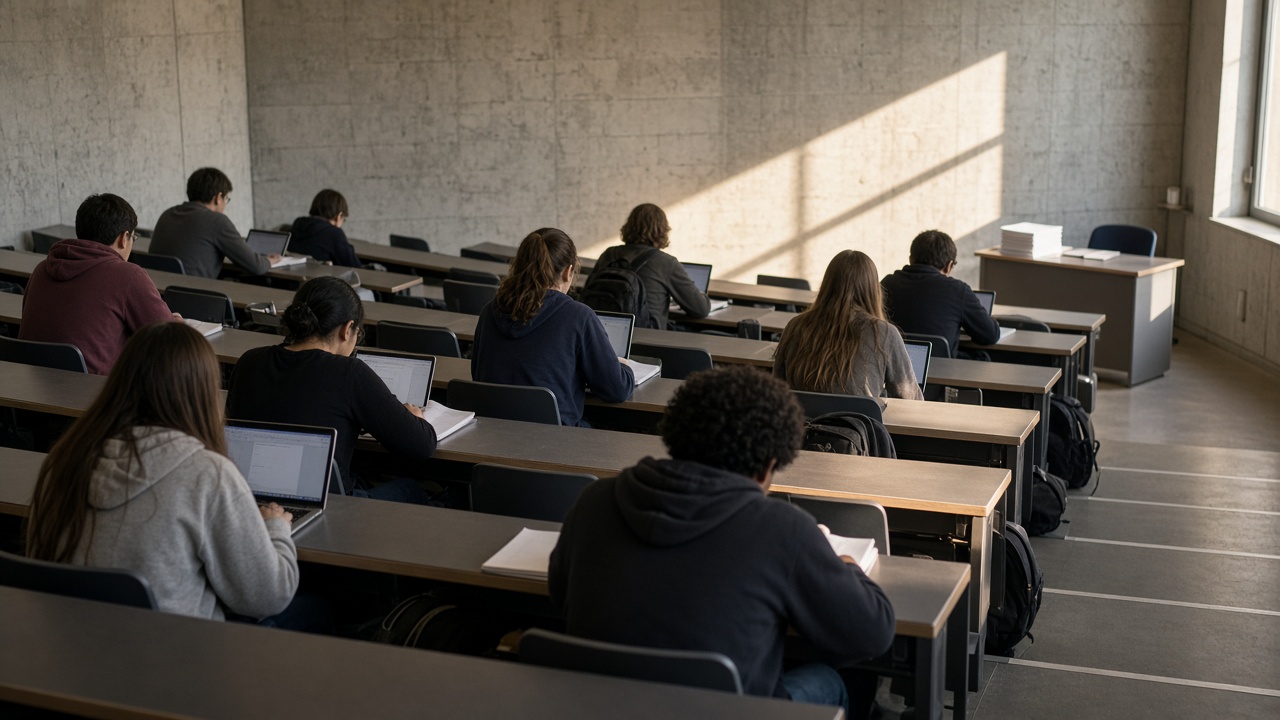
National Taiwan University’s senate approved a cross-college artificial intelligence ethics elective for 2026 freshmen after engineering, law, and liberal-arts faculties negotiated how plagiarism detection, generative-AI homework policies, and credit toward general education requirements should appear on a single syllabus, according to meeting minutes academic affairs posted Monday and a course proposal InfoHandle reviewed. The class caps at 220 seats with lottery registration—not a mandate for every incoming student, but a flagship response to chatbot use that departments previously handled with contradictory PDF footnotes on individual syllabi.
What the course covers
Modules include data consent in campus apps, bias in hiring algorithms Taiwanese companies sell to HR departments, environmental costs of model training tied to Hsinchu data-center expansions, and Taiwan’s personal-data protection act as it applies to classroom recordings. Law school contributors drafted case studies on deepfake harassment; computer science labs demo watermarking tools without endorsing any vendor. Students must submit one paper with disclosed AI assistance and one without, comparing grading rubrics instructors publish in advance.
Why it is cross-college
Chien-Hung Kuo’s education desk notes NTU resisted siloed “AI 101” courses that engineering would treat as programming and humanities as optional commentary. Cross-listing lets the elective count toward ethics or technology general-education buckets depending on major—a compromise after philosophy professors argued pure tech labs would skip normative theory. Medical college observers may audit but seats are reserved for undergraduates until waitlists clear.
Faculty fights that shaped the syllabus
Departments debated whether Turnitin-style detectors belong in ethics homework at all; the approved syllabus allows instructors to forbid detectors in reflection essays while requiring them in coding assignments where auto-generated snippets pose integrity risks. MOE observers asked NTU to share rubrics nationally; university lawyers cautioned that exporting materials must redact student examples. Graduate teaching assistants receive training on advising freshmen who lack laptops—a equity issue when night sections fill with scholarship students commuting from Taoyuan.
What it does not solve
Departmental majors can still ban generative AI in studio art or clinical practicums; the elective does not override those rules. Employers recruiting on campus said they want portfolios, not ethics grades alone—career fair organizers will host parallel workshops on resume honesty. NTU’s decision does not bind other universities; several public schools watch enrollment lottery results before cloning the model for spring 2027.
How freshmen should plan
Lottery results drop before winter break; waitlisted students should pick backup gen-ed courses in case law-school modules fill first. Read disclosure policies before buying premium chatbot subscriptions marketed to students. If you already took AP computer science, expect less syntax review and more Taiwan-specific regulation—professors said overlap complaints last year pushed them to differentiate content.
Teaching teams will pilot bilingual slides for international degree students; Traditional Chinese remains the primary discussion language, matching MOE guidance that AI policy discourse should be accessible to local employers who hire NTU graduates into finance and public-sector digital teams.