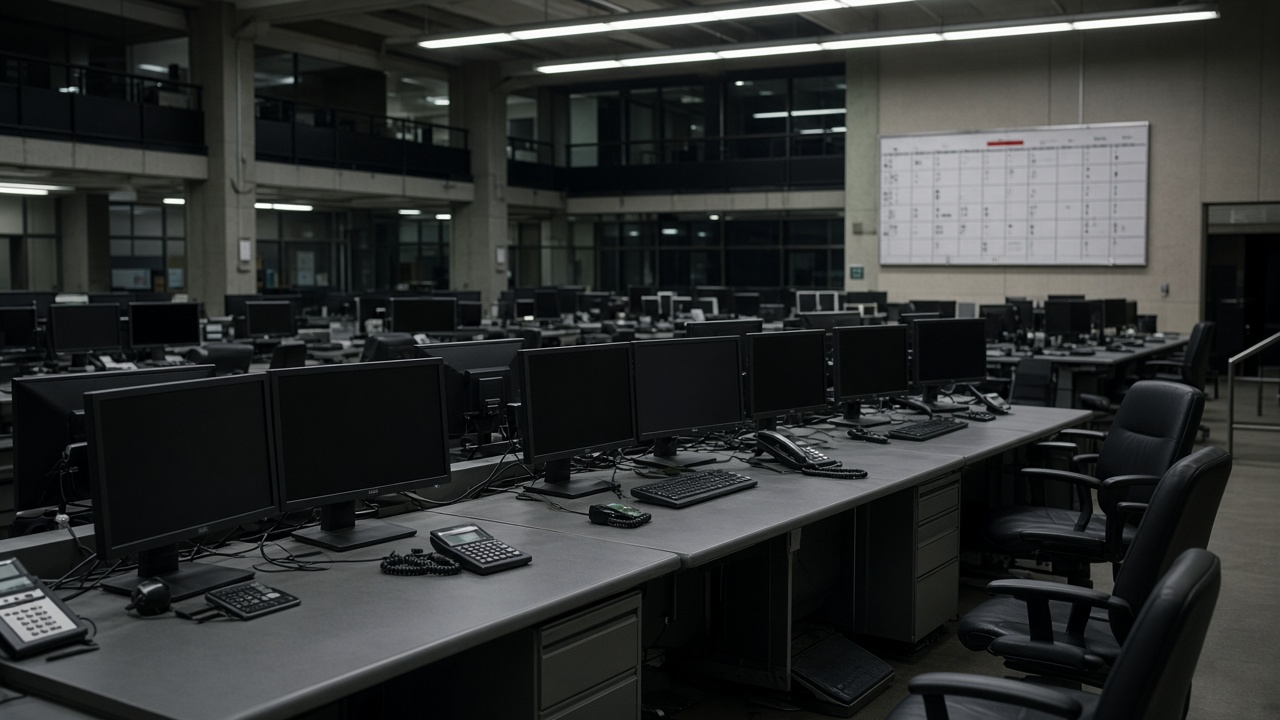
South Korea’s Kospi closed at 7080.92 on Tuesday, capping a session where memory-chip strength offset broader caution before Chuseok, and Korea Exchange cash markets will stay shut Thursday and Friday for the holiday. Investors who need exposure during the four-day local gap lean on overseas broker desks, U.S.-listed depositary receipts, and hedges while back-office teams note settlement for Wednesday trades moves to Monday, September 29, under T+2 rules that skip closed clearing days.
What the closure covers
KRX suspends Kospi and Kosdaq cash trading, most derivatives pit hours, and standard bond auctions on statutory Chuseok holidays. After-hours sessions that some foreign funds use for block trades also pause. Korean retail apps display grayed-out order buttons with countdown timers to the Tuesday reopening after the long weekend—a UX pattern that reduces accidental overnight orders but pushes active traders to foreign platforms.
Clearing houses treat Thursday and Friday as non-settlement days; trades executed on Wednesday settle September 29, not Friday. Treasury desks at securities firms emailed clients checklist reminders about margin interest on unsettled sells and about FX conversion cutoffs at custodian banks that still operate on limited holiday staff.
Overseas trading options
Samsung Electronics and SK hynix depositary receipts in New York and London continue trading when Seoul sleeps, giving a partial read on how foreign holders price Korean memory beta during Micron Technology earnings and U.S.–China summit coverage this week. Overseas branches of Korean brokers offer synthetic exposure through CFDs and index swaps where regulations permit; compliance teams warn retail clients about basis risk when local opens gap to ADR-implied levels.
Hedge funds with prime brokers in Hong Kong and Singapore often roll Kospi futures on SGX or tie hedges to MSCI Korea weights rather than idle cash. Pension funds mostly hold through the gap, rebalancing only if policy bands breach limits tied to foreign flow data rather than daily P&L.
Micron and chip read-through
Micron’s September results and guidance shape DRAM and NAND expectations that Korean memory leaders track even on holiday weeks. Tuesday’s Kospi close reflected optimism that server memory pricing holds into 2026; any Micron surprise during Seoul’s closure could move U.S. ADRs first, telegraphing Monday’s opening print. Traders keep watchlists of Samsung Electronics and SK hynix ADR spreads versus fair value models built on won rates and index futures fair value.
Equipment names with smaller overseas listings see thinner hedging liquidity; holders accept gap risk or buy put protection on U.S. peers as proxies—a imperfect but common Chuseok workaround.
Trump–Xi week overlay
Macro desks do not need a local session to react to summit headlines on tariffs and export controls that hit Korean supply chains. A hawkish communique during the holiday could weaken ADRs and lift dollar hedging costs before KRX reopens; constructive tone might do the opposite. National Pension Service and retail margin accounts cannot execute locally, but global macro funds adjust Korea weights through offshore instruments immediately.
Options implied volatility on Korean exposure often rises into long closures as event risk stacks; broker risk teams raised intraday margin on overseas Korea books through the weekend.
Settlement September 29
Back-office managers flagged three tasks: confirm Wednesday sell proceeds credit Monday, ensure dividend reinvestment orders for ex-dates falling on closed days process correctly, and reconcile FX swaps used to hedge foreign flows that settle offshore during the gap. Failures in 2024 Chuseok taught some mid-tier brokers to pre-fund settlement accounts on Tuesday—a practice FSS bulletins encourage for retail protection.
Corporate actions scheduled for holiday days roll forward per KRX rulebooks; IR teams at chaebol issuers posted FAQ pages so employees exercising stock options know deadline shifts.
Retail checklist
Financial Supervisory Service holiday notices remind investors not to chase phishing links promising “special Chuseok trading access” on unregistered apps. Legitimate overseas access requires pre-opened accounts with disclosures on leverage and currency risk. Stop-loss orders on local apps do not trigger when markets are closed; gap opens Monday can skip intended exit prices.
Investors holding leveraged ETFs or structured notes should read prospectuses on multi-day volatility decay across closures—a niche pain point that still generates call-center volume every major Korean holiday.
Monday reopen scenarios
Strategists cite three gap drivers: Micron-led memory sentiment, summit headlines, and U.S. tech index moves while Seoul was away. Foreign flow prints Tuesday afternoon will show whether offshore desks bought or sold Korea through the gap. A Kospi hold above the 7080 handle would signal continuity; a sharp fade would mark another holiday headline fade pattern seen in prior years.
Until then, the actionable work is operational—settlement calendars, hedge ratios, and ADR monitors—not fresh local orders. Chuseok pauses the bell, not the risk.