U.S. Treasury Secretary Scott Bessent said Saturday that pressure from Operation Economic Outcast is producing measurable cuts to Iran's aviation and banking ties in the Middle East, describing a widening squeeze on Tehran at the same moment President Donald Trump publicly rejected Iran's proposal to reopen the Strait of Hormuz within a week.
What Bessent claimed on Saturday
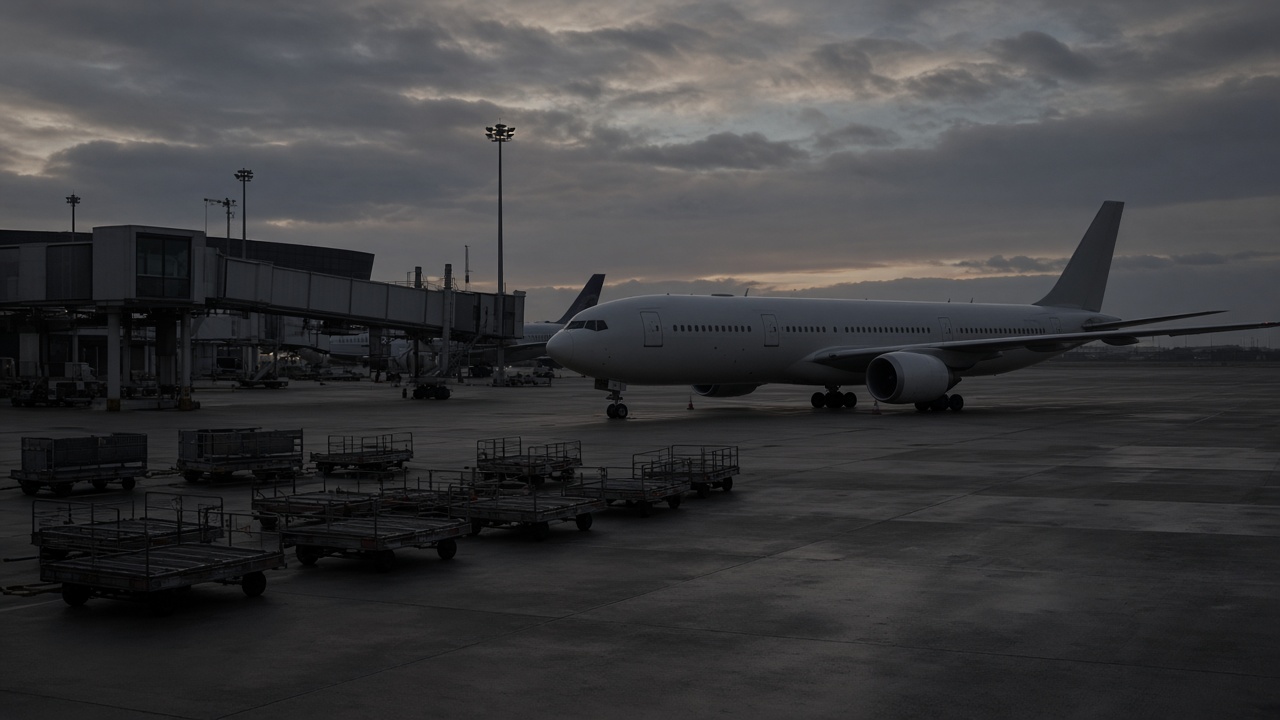
In a post on X, Bessent said teams he dispatched "across the globe" had secured new restrictions on Iranian carriers and financial flows. He pointed to Turkey and Oman halting incoming flights by Mahan Air, a private airline long targeted by U.S. sanctions, and to the United Arab Emirates stopping all flights by Iranian airlines. Dubai in particular has been a hub for Iranian passengers and cargo; multiple daily routes and deep business links made aviation a visible test of whether neighbors would absorb U.S. pressure.
Bessent also highlighted banking moves. The UAE central bank, he noted, had blocked transactions to and from Iran by branches of Bank Melli, citing violations of laws on money laundering, terrorism financing and arms proliferation. Turkey, he added, revoked the license of Iran's Bank Mellat. Those steps land on top of the sectoral sanctions determinations Treasury issued when it launched Economic Outcast in August, which expanded U.S. sanctions reach over digital assets, technology, gold, aviation and shipping tied to Iran.
How this fits the wider campaign
Operation Economic Outcast is framed inside Treasury as a sustained campaign—not a single sanctions list—to sever revenue lines that fund the Islamic Revolutionary Guard Corps and the broader Iranian state. Bessent has compared the rollout to an "economic D-Day," with envoys pressing more than 50 governments, according to reporting he amplified from the Wall Street Journal. Jonathan Burke, Treasury's assistant secretary for terrorist financing, traveled across the Middle East and Europe over two weeks to push compliance, the Journal reported.
The aviation crackdown matters for insurers, lessors and ground handlers that still touch Iranian metal even when Washington's focus is on Hormuz security. Bessent said Monday that Iranian airlines "will be shut down around the world," though smaller carriers have continued limited international service, including routes toward China. Saturday's message was aimed at showing momentum: flights curtailed, banks frozen, neighbors named.
Diplomacy and the Hormuz stalemate
The economic messaging arrived hours after Trump told reporters he was rejecting Iran's seven-day roadmap to restore commercial shipping through Hormuz. Iranian Foreign Minister Abbas Araghchi said Tehran was still waiting for an official U.S. response conveyed through mediators, and accused Washington of sending mixed signals. Gulf partners including Saudi Arabia and the UAE have privately urged the United States not to ease sanctions or the naval blockade prematurely, according to recent reporting.
For corporate risk desks, the combination is familiar: sanctions tightening in parallel with battlefield and maritime risk. Bessent's Saturday post did not announce fresh designations, but it argued that enforcement—not announcements alone—is what drains Tehran's options. Treasury has continued listing vessels, exchange houses and procurement networks; the open question is whether aviation and banking partners hold the line once headlines shift.
What to watch next
Analysts will track whether UAE and Turkish restrictions extend beyond the airlines and branches Bessent named, and whether Iraqi or other regional connectors further limit Iranian overflight and remittance corridors. Inside Treasury, the next test is follow-through: secondary sanctions bite when banks and insurers believe U.S. examiners will act. Bessent's claim Saturday was that the campaign is already doing that work on the ground.