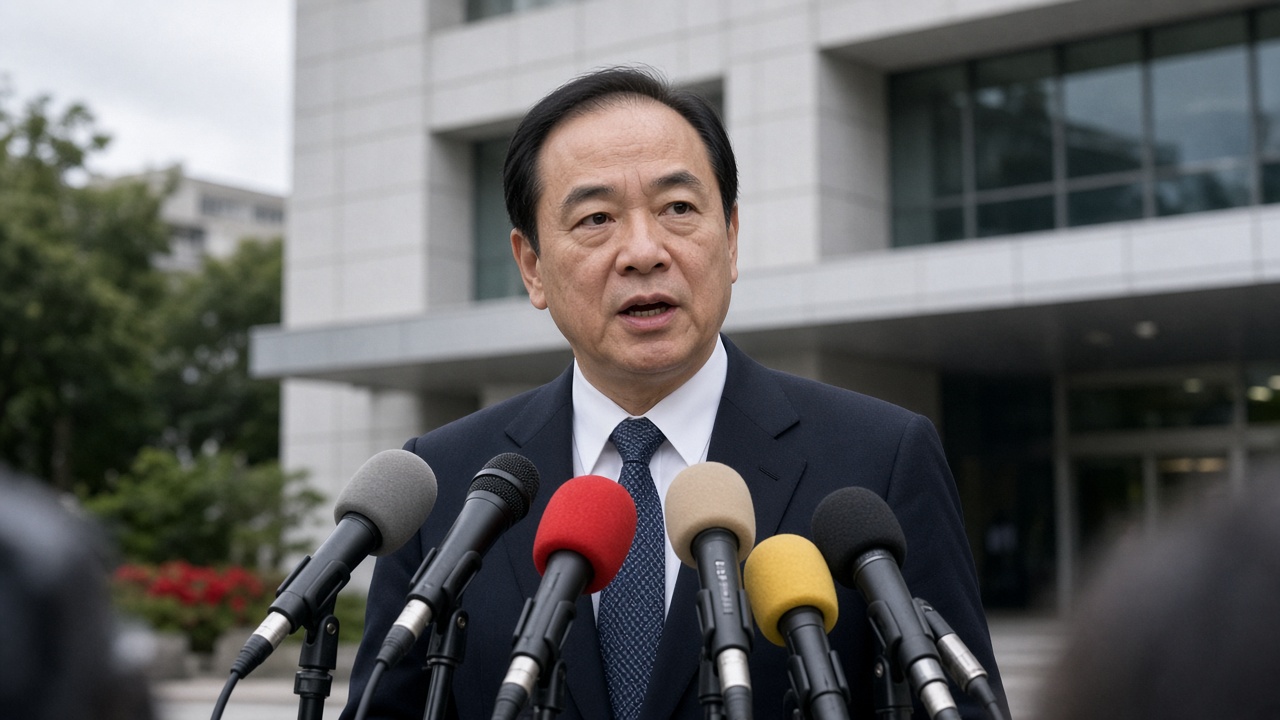
TAIPEI — Deputy Foreign Minister François Wu said Saturday that moving a long-pending U.S. arms package to Taiwan is an American interest, not a favor to Taipei, as Washington weighs its next steps after a Trump–Xi meeting that put the island back at the center of U.S.-China bargaining.
Wu’s argument, made in comments reported by Reuters and Focus Taiwan, is that the US$14 billion package and broader support for Taiwan’s self-defense serve U.S. goals: protecting a critical semiconductor supply chain and sustaining a democratic partner in the first island chain. The message was directed as much at Washington as at Beijing.
Post-summit messaging
The comments came after reports that Chinese President Xi Jinping pressed President Donald Trump on Taiwan during their talks. Taipei’s foreign ministry has already rejected Beijing’s characterization of the meeting in a separate statement. Wu’s intervention added an economic and strategic frame: if the United States wants Taiwan to remain a reliable technology and security partner, it should not treat arms sales as a concession to Beijing.
“Arming Taiwan is an important U.S. interest,” Wu said, according to Reuters. He pointed to semiconductors and democracy as reasons the package should move.
The distinction matters because Taipei has two audiences. One is domestic: the government must show that its security relationship with Washington is producing hardware, training, and credible deterrence. The other is international: it must persuade Washington that helping Taiwan is not a concession to Beijing but a way to protect U.S. industrial and strategic capacity.
Whether it moves is now the question. The arms package is pending, and its route runs through Washington’s notification and congressional review process before delivery schedules can be settled. In Taipei, the defense budget and special appropriations must also clear the Legislative Yuan, where the calendar and committee control determine what reaches a floor vote.
The vote test
For Taiwan’s government, the immediate task is to keep the U.S. commitment visible after the summit. Officials have argued that Beijing’s pressure campaign is designed to make Washington believe support for Taiwan is costly. Wu’s counter is that the cost of abandoning Taiwan would be higher—for U.S. technology supply, for regional deterrence, and for credibility with allies.
Analysts quoted in Taipei-based reports said the post-summit test is not the communiqué but what Washington does next: whether arms notifications advance, whether deliveries stay on schedule, and whether the White House links Taiwan policy to trade or other bargaining with Beijing.
The domestic political test is equally concrete. Lawmakers will scrutinize the defense budget, committee schedules, and the Legislative Yuan’s ability to pass funding without delay. Any gap between Taipei’s public messaging and the legislature’s actual votes will be read in Beijing and Washington alike.
For now, Wu’s line is that Taiwan’s defense is not charity. It is a U.S. interest with a bill attached, a calendar to meet, and a vote to win.