President Lee Jae-myung ended his state visit to Mexico with 17 memorandums of understanding and one document that outlasts them. The Korea-Mexico Joint Action Plan sets a 2026–2030 work program that names aerospace, the defense industry and stable supply chains alongside the AI lane that has drawn most of the week's attention. Lee returned home Sunday.
The framing matters more than the MOU count. A memorandum records intent; a five-year action plan with sector chapters is where budget lines, standards work and export-control paperwork either arrive or quietly die. The visit also came with a commitment to speed along a bilateral trade agreement, with both sides pushing the CEPA track that has moved slowly for years.
Beyond the AI headline
The joint plan as read out covers AI, aerospace, defense, intellectual property and tourism. Each of those has a different conversion rate. Tourism and IP cooperation can be operationalized with airline seats and examination guidelines. Aerospace and defense require licensing regimes, certification bodies and end-use guarantees — machinery that does not move on a summit timetable.
That is the part worth watching for Korean industry. The delegation that traveled with Lee numbered roughly 30 business figures, among them LG's Koo Kwang-mo. Autos and consumer electronics are the existing spine of the Korea-Mexico commercial relationship, and those are exactly the sectors where supply-chain language turns into plant decisions.
Aerospace: components before platforms
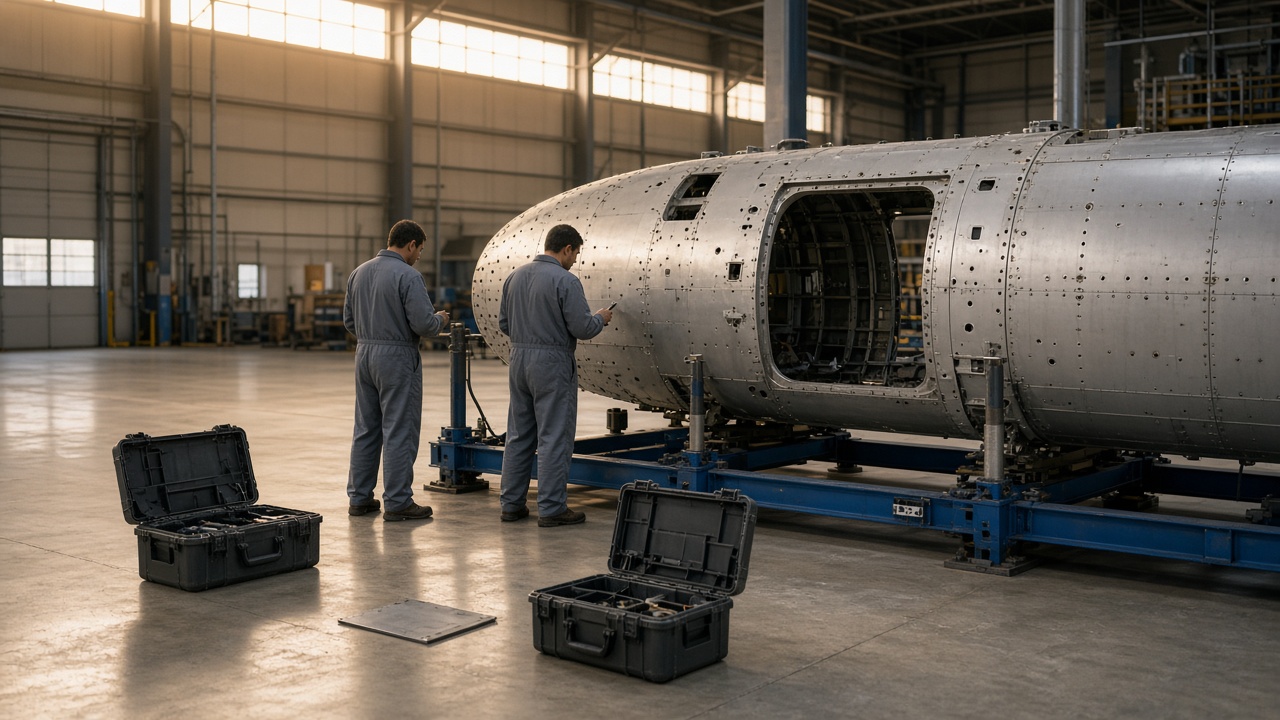
Nothing in the public readout suggests a joint aircraft or a co-developed launch vehicle. Realistic aerospace cooperation between the two economies looks like component supply, maintenance and repair work, and qualification of Korean suppliers into North American aerospace programs that already assemble in Mexico. That is unglamorous and it is where the money is: aerostructure work, wiring harnesses, machined parts, interiors, and the quality documentation that lets a supplier stay on a program for a decade.
For Korean small and mid-sized aerospace suppliers, the barrier is rarely price. It is the paper trail — AS9100-class quality systems, traceability, and a customer base willing to audit a plant 12,000 kilometers from Seoul. A government-to-government chapter can accelerate recognition of certification, but it cannot manufacture a supplier's audit history.
Defense industry: the slowest chapter
Korean defense exports have become a genuine line item in the national trade account, and defense industrial cooperation is the category that converts most slowly. The friction is structural: third-country transfer rules, end-user certificates, and the fact that Mexico's procurement cycles are long and often tied to its own domestic offset requirements.
A defense chapter in a five-year plan is best read as permission to keep talking — co-production studies, parts localization, training and maintenance arrangements. Anyone expecting a signed platform order off this visit is reading the wrong document.
Stable supply chains: the load-bearing clause
Supply-chain stability is the least photogenic and most consequential item. Mexico's role as a manufacturing platform for the North American market has grown as companies rebalance away from single-region sourcing, and Korean firms in autos, appliances and electronics already sit inside that shift. What they need from a bilateral agreement is boring and specific: rules of origin, cumulative origin treatment, customs procedures, and a tariff schedule stable enough to justify capital spending.
CEPA is the vehicle for all of it. Until that agreement is signed and implemented, the supply-chain chapter operates as a promise to keep negotiating — useful for planning, not usable for a balance sheet.
What to watch now
Three things turn this from a communiqué into an operating plan. First, whether the aerospace and defense chapters get named working groups with counterparts on both sides rather than a general committee. Second, whether the CEPA timeline gets a negotiating round scheduled in writing. Third, whether any of the 17 MOUs name implementing agencies and funding, which is the difference between an agreement and a photograph.
For Korean component makers, the practical question is whether they should plan capacity in Mexico — and against which tariff and origin rules. That decision will be made by engineers and controllers reading annexes, not by anyone standing at the signing table. The plan gives them a reason to keep the option open through 2030. It does not yet give them a number to build against.