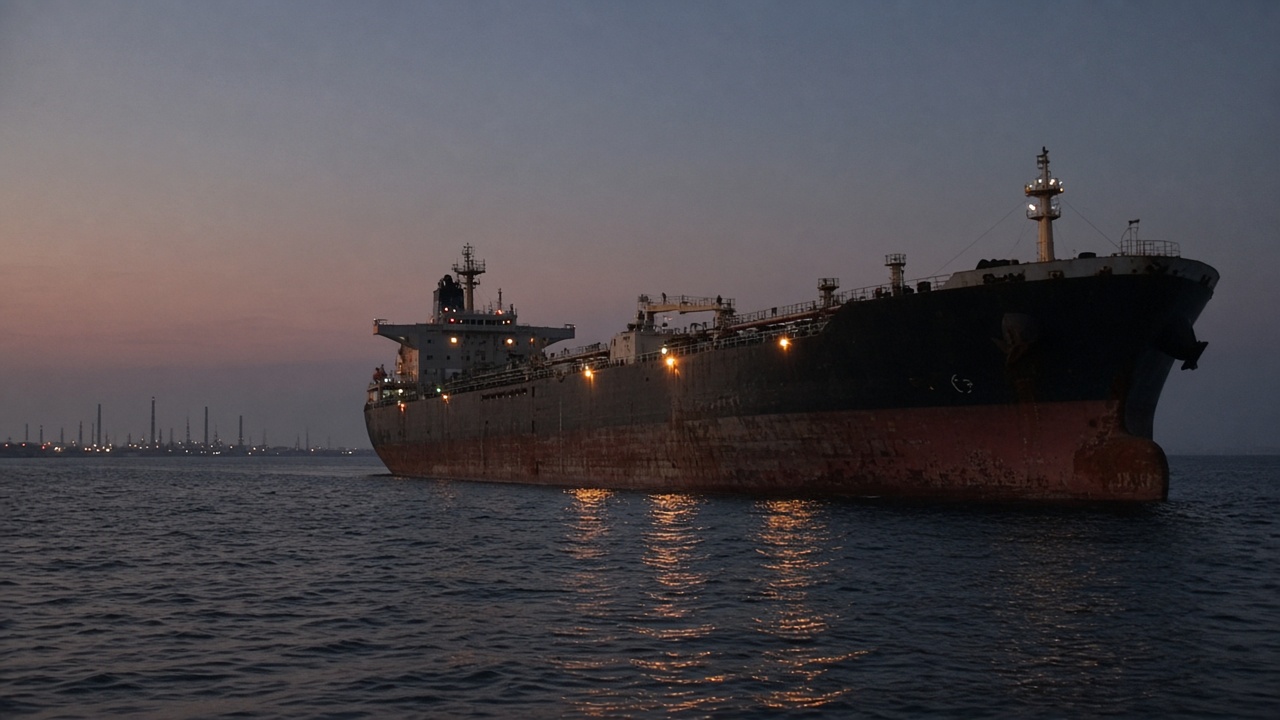
Middle Eastern crude exports have climbed back to just under 80 percent of their pre-war pace, according to commodity analytics firm Kpler, a rebound that is easing one of the war’s most visible supply shocks even as diplomats press for a wider ceasefire around the Strait of Hormuz.
The recovery lands at a delicate moment. Iranian and U.S. officials met separately with mediators in New York on Monday, people familiar with the contacts told news outlets, while President Donald Trump rejected Tehran’s latest framework but left room for a deal if nuclear issues are addressed. Traders are watching whether higher physical flows translate into lower prices at the pump or simply reflect rerouted cargoes and drained storage.
What the tanker data shows
Kpler said in a note Monday that Middle East crude exports this month are running at nearly four-fifths of levels seen before the conflict erupted in February. The firm’s analysts described the trend as a partial normalization: more barrels are leaving the Gulf even though insurance, routing and political risk around Hormuz remain elevated.
CNBC, citing Kpler figures, reported that the rebound coincides with renewed indirect diplomacy. Iranian Foreign Minister Abbas Araghchi has been shuttling through Qatari channels, and a U.S. official told Al Jazeera that talks were “positive and constructive” while insisting that Iran’s nuclear program must be part of any settlement. None of that has yet reopened the strait under the terms Tehran outlined at the United Nations last week.
Why traders are cautious
Higher export counts do not automatically mean the market is back to early-2026 normal. Analysts note that some cargoes may reflect inventory draws, alternative pipelines and buyers willing to accept higher freight and war-risk premiums. Diesel and gasoline prices in the United States remain politically sensitive: retail diesel has hovered near record highs, and Trump told reporters at the Presidents Cup golf event in Illinois that the White House is “thinking about” export restrictions “very seriously,” a step the oil industry has warned could backfire.
Energy Secretary Chris Wright has publicly favored limits rather than a blanket ban, and Treasury Secretary Scott Bessent said officials are studying whether partial curbs are feasible given refinery capacity. Morgan Stanley strategists have cautioned that restricting U.S. diesel exports could lower domestic distillate prices briefly while pushing global markets tighter—a trade-off leaders in Europe, already short Russian barrels, are watching closely.
What comes next
Markets will test whether Kpler’s export recovery holds through October, when maintenance seasons and winter heating demand typically tighten balances. Diplomats have pointed to a short U.S. response window after Araghchi’s meetings, but Trump’s social-media denial of a reported sanctions-relief package underscores how quickly public messaging can unsettle talks.
For now, the data offers a concrete counterpoint to the worst supply fears: physical oil is moving again at scale. Whether that momentum survives a failed negotiation—or a new military escalation in the Gulf—remains the open question for refiners, airlines and drivers still paying war-era fuel bills.