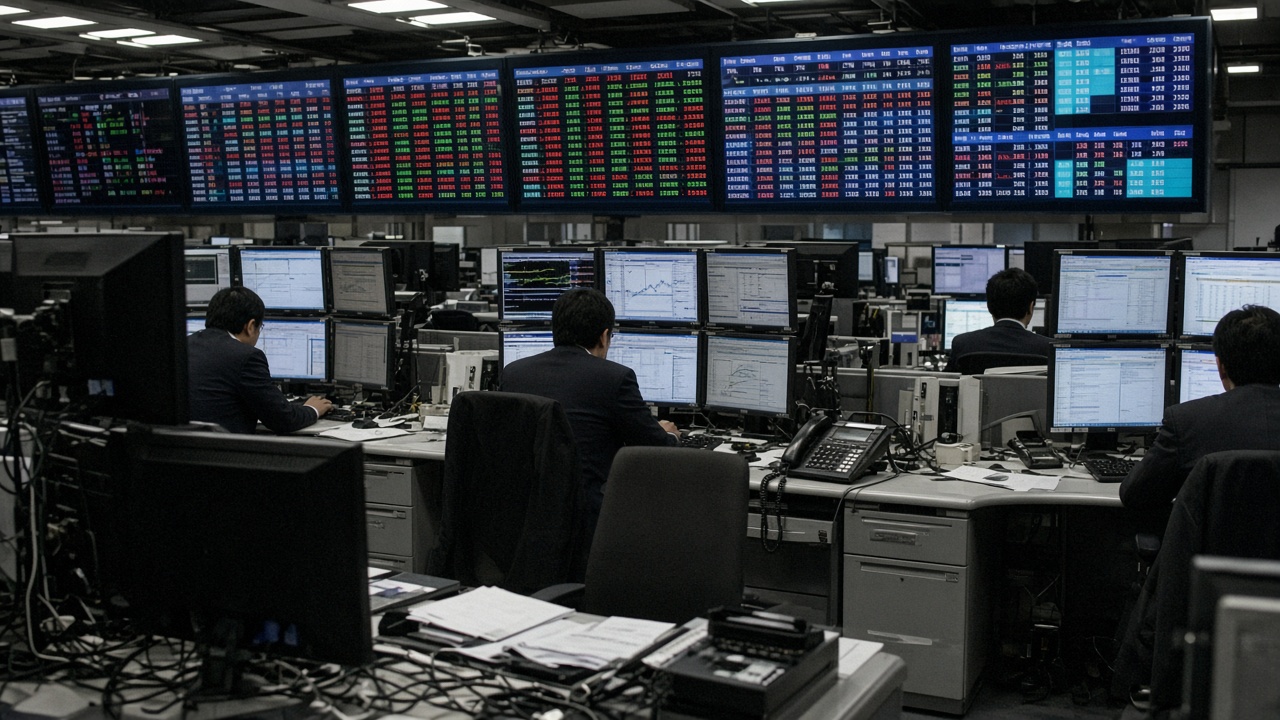
Japan's benchmark 10-year government bond yield rose to 3.115 percent during trading on Sunday, marking a second straight session at levels not seen in nearly three decades as investors sold sovereign debt on bets the Bank of Japan will keep lifting borrowing costs.
The move extended a climb that began after summer inflation prints showed services prices sticking above the BOJ's 2 percent target and after Governor Kazuo Ueda warned that real rates remain accommodative. Domestic life insurers and regional banks, which had loaded up on longer-dated JGBs when yields were near zero, led the selling as hedging costs for dollar assets also climbed.
Why traders are pressing the bid
Money-market desks in Tokyo said the 3.11 percent print reflected both local supply and spillover from rising U.S. Treasury yields, which have jumped on concerns about fiscal deficits and heavy corporate borrowing for artificial-intelligence data centers. Japanese pension funds that had shifted into foreign bonds are now facing currency hedging bills denominated in a weaker yen band around 152 to the dollar, pushing some managers to trim duration at home instead.
Futures markets priced a greater than 60 percent chance of a BOJ rate increase at the October policy meeting, according to broker surveys cited in local financial media. Officials have not pre-committed, but board member speeches this month emphasized vigilance on wage settlements for the spring shunto round. If major manufacturers lock in raises above 4 percent, traders argue the central bank cannot keep policy rates at 0.5 percent without risking another yen slide that feeds imported inflation.
Ripples beyond the bond pit
Higher yields lift mortgage reference rates for floating loans tied to short-term benchmarks, a sensitive point for households that have only recently adjusted to the end of negative rates. Builders listed on the Tokyo Stock Exchange slipped in late-session trading while bank shares advanced, reflecting expectations that net interest margins will widen if funding costs rise more slowly than lending rates.
Finance Ministry officials have stepped up rhetoric about "excessive" moves, repeating that they stand ready to conduct yield-curve control-style operations if disorderly selling emerges. So far the ministry has not announced special buying, but primary dealers said they are on call for unscheduled operations should the 10-year trade through 3.2 percent early Monday.
What the BOJ meeting could bring
The policy board next gathers in late October, giving officials two more inflation and wage data releases before deciding. Analysts at Nomura and Daiwa Securities told clients Sunday that a hike is plausible but not assured; both houses flagged global bond volatility tied to Middle East shipping risks as a reason the BOJ might wait to avoid tightening into a liquidity shock.
For now the market signal is clear: investors are no longer treating Japanese yields as frozen. A sustained trade above 3.1 percent would raise debt-servicing costs for a government already spending record amounts on defense and disaster recovery after this summer's typhoon damage. Traders will watch Monday's cash session for ministry buybacks and for any comment from Ueda allies on whether 3.115 percent is a line in the sand or the next step toward normalization.