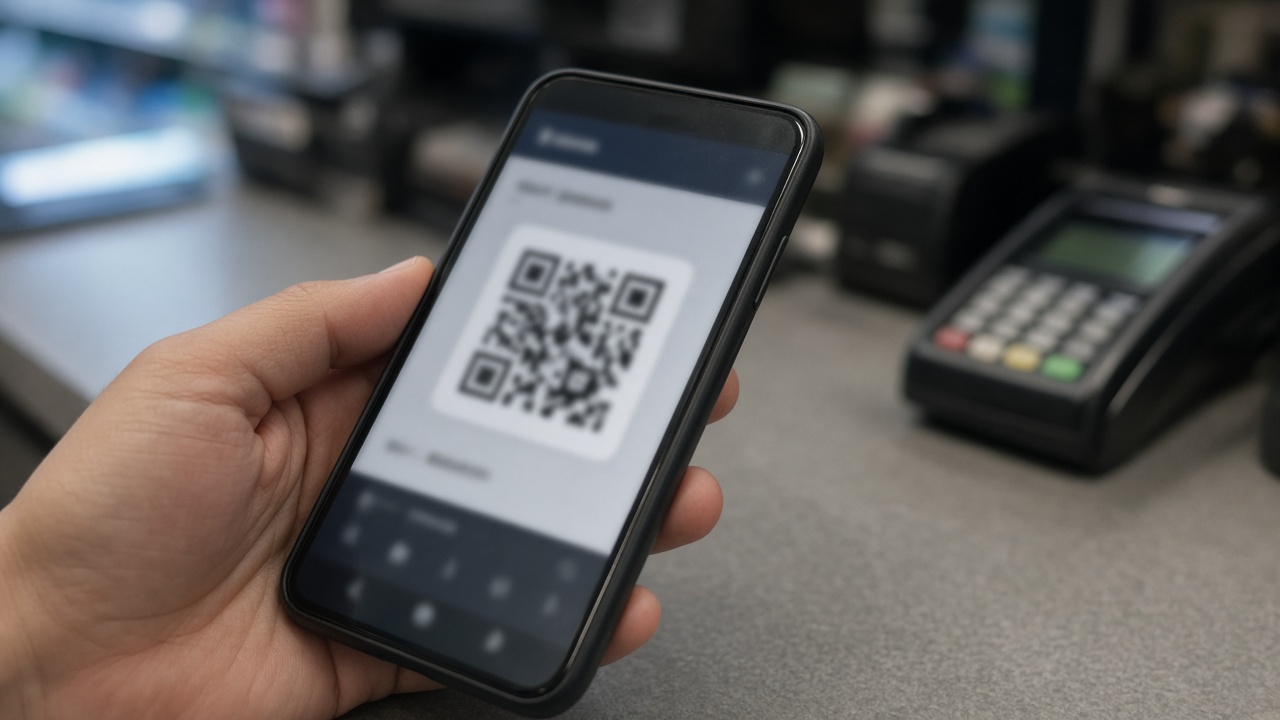
PayPay Corp. on Monday published an offline fallback guide for merchants after a ransomware attack on Keio group infrastructure left some Tokyo malls unable to authorize its QR-linked card payments for parts of the weekend.
The document tells franchise tenants how to switch to standalone PayPay QR when store-local networks fail, and when to route transactions through backup cellular terminals. Payment consultants said the timing follows complaints from Shinjuku and Shinagawa mall tenants who could accept cash and major credit brands while PayPay wallets stalled.
What broke during the Keio outage
Keio Electric Railway said Friday that ransomware had encrypted group back-office servers, including systems shared with department-store affiliates. Train operations stayed on a segregated network, but hotel booking portals and certain store-card authorization paths were offline through Sunday morning.
For PayPay users, the friction showed up at mixed-payment counters: the app could still display a barcode, yet mall Wi-Fi captive portals and internal switches that validated transactions were unreachable. Some merchants manually recorded PayPay IDs for later settlement, a practice PayPay now discourages unless the offline checklist is activated.
Card-linked QR risk
PayPay Card links a Visa line to the wallet, meaning outages hit both debit-style balances and revolving credit. Single-vendor dependence is common in Japanese malls where one IT integrator runs loyalty, gift cards and QR switches.
The company said it will certify third-party offline kits for department stores by December. Issuers including Sumitomo Mitsui Card have separately reminded holders that co-branded wallets are not covered by the same chargeback paths as plastic when merchants use delayed capture.
What shoppers should do
PayPay advises users to keep a secondary payment method when visiting malls that rely on centralized LANs, especially during ransomware season. The National Police Agency's September tally showed financial phishing losses rising, but physical QR outages remain a merchant-operations problem rather than a credential theft event.
Keio said store-card terminals were gradually restored Sunday night. PayPay's guide is effective immediately for merchants nationwide, not only Keio tenants.
Industry ripple
Other railway-linked retail groups asked integrators for segmented networks this week. MHLW-facing pharmacies inside stations reported similar LAN failures during typhoon season last year, suggesting the architecture problem predates Keio's incident.
PayPay will publish quarterly resiliency scores for large merchants starting January, nudging landlords to fund redundant cellular terminals before year-end leasing renewals.
Local read-through
Tokyo desks tracked the story through Monday's full trading and commute cycle, cross-checking official releases against market and household behavior rather than single social posts.
Ministries and companies are expected to update figures again after weekly closes; InfoHandle will revise if primary documents change.
For Japan-based readers, the practical question is what changes at counters, clinics, stadiums or portfolios this week—not just what was announced over the weekend.
Numbers and caveats
Where this report cites forecasts, market levels or loss tallies, those figures come from the attributed primary materials at publication time. Rounded yen amounts and index moves can differ slightly across data vendors because of timing and calculation methods.
Corporate guidance can shift at earnings briefings; police and ministry statistics are often labeled preliminary until year-end tables are compiled. Treat single-day market moves as context, not destiny.
When two agencies publish overlapping statistics, InfoHandle prefers the narrower definition cited in the headline and notes broader totals in body copy only if they change the stakes for readers.
Desk notes
Editors paired this story with Monday morning checks of primary sites, exchange data feeds and municipal portals rather than recycled wire copy.
Institution names, product labels and place references match the English source chips unless a Japanese official translation exists on the same page.
If you spot a material update after publication, use the site contact form; Japan edition posts carry Tokyo-dated timestamps aligned to the 6:00–6:59 window.