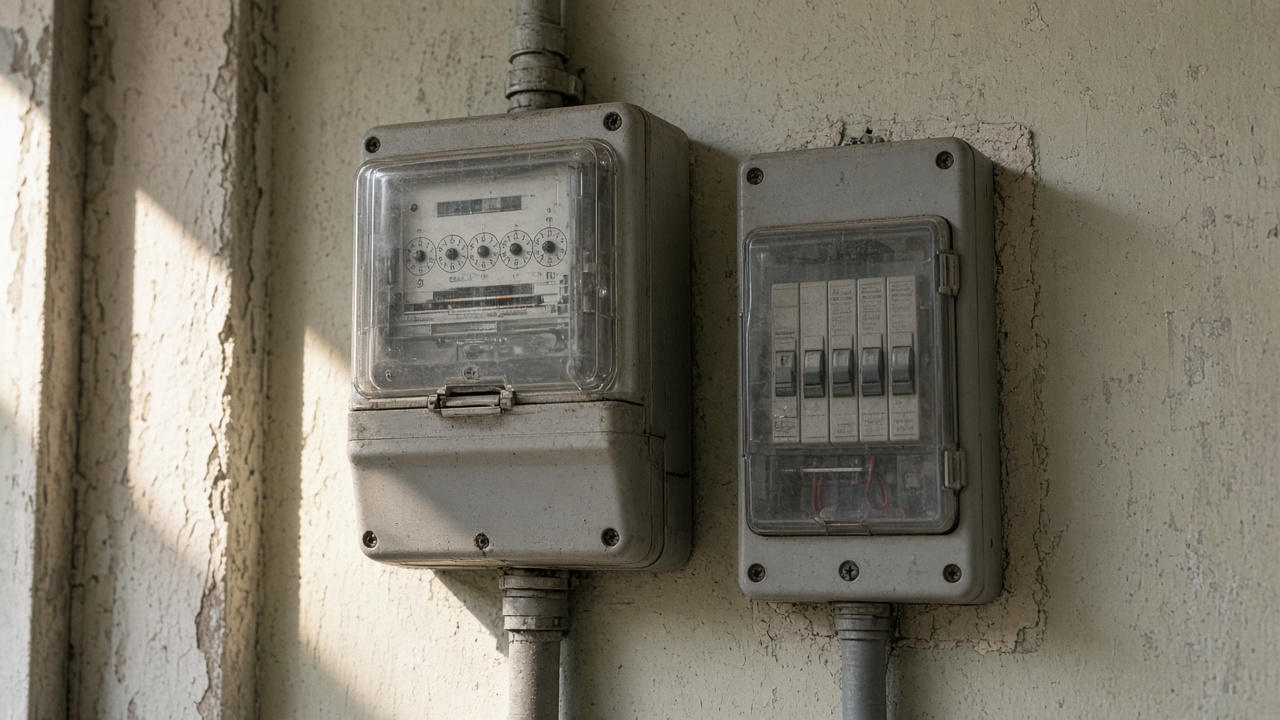
Households on SP Group’s regulated tariff are waiting for a fourth-quarter electricity price this week, with the third-quarter rate of 31.91 cents per kilowatt-hour — 34.78 cents after GST — still in force through 30 September.
EMA explains that the regulated tariff moves quarterly to reflect fuel and power-generation costs, with SP Group acting as the default buyer for households that have not switched to a retailer. The current quarter’s rate is the highest SP has published in this series, up sharply from the prior quarter as global gas costs rose after Middle East supply shocks earlier in the year.
What the bill math looks like
EMA’s consumer guidance said the Q3 step-up added about S$17.14 a month before GST for a typical four-room HDB flat — a concrete household hit that shows up on GIRO deductions and PayNow top-ups to SP, not in abstract cents-per-kWh figures.
Energy costs make up the largest share of the tariff stack at 25.50 cents per kWh before GST in Q3, followed by network charges and market administration fees. When the Q4 number drops, watch the energy-cost line first; that is where global gas moves show up.
Retailers and switching
The Straits Times reported that some retailers have refreshed promotions as more households shop around: SP’s share of regulated-tariff customers edged down to 61.6% in recent EMA statistics. Plans advertising discounts off the regulated rate become more attractive when the benchmark itself is elevated, though contract terms and renewal clauses still matter.
If you are on a fixed-discount plan, the Q4 regulated announcement still sets the reference price your discount applies to. If you are on SP’s default plan, the new rate applies automatically from 1 October unless you switch before the effective date.
What to watch this week
SP Group typically issues a media release a few days before a quarter turns. Analysts and consumer sites expect the Q4 call around 30 September, with EMA’s commentary on gas inputs guiding whether relief is modest or negligible.
Cooling demand in October can lower usage even if the tariff stays high; the household-money story is the product of price times kilowatt-hours. Track both when the release lands.
U-Save and GST offsets
Lower- and middle-income households receive U-Save rebates on utilities quarterly; the credits blunt but do not erase tariff spikes. When the Q4 rate prints, compare the announcement with your latest U-Save posting on the HDB portal — the net bill is what matters for cash flow.
GST at 9% applies on top of the regulated rate, so a flat pre-GST tariff still moves the all-in number families pay through PayNow or GIRO. Retailers quoting “no GST extra” on promotional plans are comparing against this benchmark.
Peak cooling habits
October heat and haze episodes can keep air-conditioners running even as northeast monsoon rains arrive. NEA’s haze forecasts and SP’s tariff notices often land in the same news week, stacking household anxieties. Setting timers and cleaning filters are boring advice that still saves dollars when the per-kWh rate is at a record.
Landlords passing utilities to tenants should check whether contracts allow pass-through of regulated changes on 30 days’ notice; many room-rental agreements in heartland flats are silent on that point, leading to disputes when bills jump.