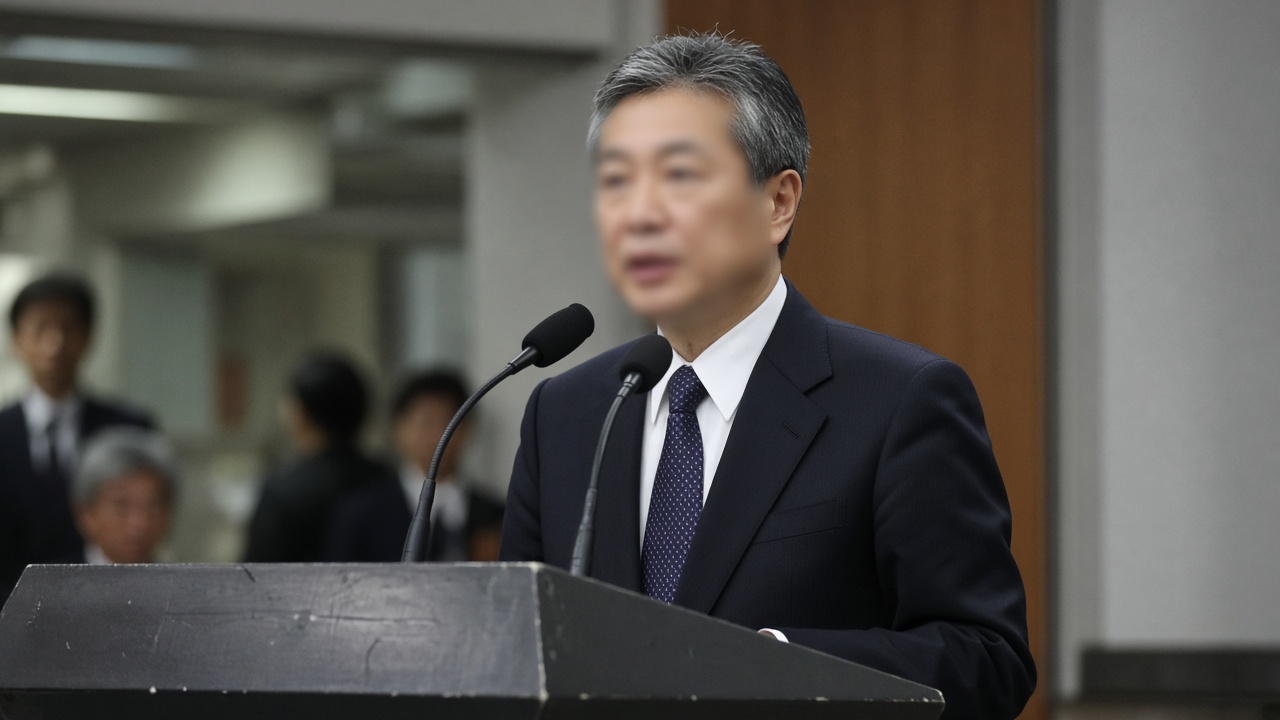
Prime Minister Sanae Takaichi convened the first meeting of a government expert panel on national intelligence on Monday, telling members that bolstering Tokyo’s spy agencies and anti-espionage toolkit is an urgent response to foreign interference and regional military pressure.
Reporters were allowed into the closing minutes of the closed session at the prime minister’s office, where Takaichi said strengthening Japan’s intelligence capabilities “is an urgent priority” as geopolitical risks mount around Taiwan, North Korea and the war in Ukraine. The panel, comprising 17 outside specialists, is expected to feed recommendations into legislation that could reshape how Japan collects, analyzes and shares secret information across ministries.
Why the panel exists now
The Japan Times reported that Takaichi, who approaches her first anniversary as leader, has prioritized countering foreign influence operations alongside her broader defense buildup. Japan relies heavily on the U.S.-led Five Eyes community for strategic warning but lacks a standalone foreign intelligence service comparable to the CIA or Britain’s MI6. Past attempts to create a Japanese “central intelligence agency” stalled in the face of privacy concerns and bureaucratic turf battles between the Cabinet Intelligence and Research Office, the Defense Ministry and the National Police Agency.
Monday’s launch signals that Takaichi is willing to spend political capital on institutional reform rather than incremental budget tweaks. Officials familiar with the agenda said discussions will cover legal changes to punish espionage more effectively, clearer chains of command during crises, and better protection for defense contractors targeted by cyber intrusions and insider recruitment.
Regional context
The meeting took place as the Japan Meteorological Agency tracked Typhoon Surigae toward Okinawa and eventually the storm-weary Kanto region, a reminder that civilian agencies already coordinate disaster intelligence across prefectures. Security hawks argue that the same coordination muscle must exist for human and signals intelligence when foreign actors probe Japan’s semiconductor supply chains, space ports in Kyushu and joint bases with U.S. forces.
North Korea’s missile tests and China’s pressure around Taiwan have kept Japan’s National Security Strategy on a spending trajectory that includes counter-strike weapons and deeper ties with Australia and the Philippines. Takaichi’s panel is meant to address the softer side of that strategy: spotting sabotage, identifying covert funding streams and preventing leaks from research universities that collaborate with dual-use technology firms.
What comes next
The government did not publish a timeline for draft bills, but Chief Cabinet Secretary Yoshimasa Hayashi told reporters that the panel will meet regularly and that ministries will be asked to implement “quick wins” where laws already allow information sharing. Opposition lawmakers warned that any expansion of surveillance powers must come with judicial oversight, a debate likely to intensify when concrete language is released.
For investors and diplomats watching Tokyo, the panel’s output will indicate whether Takaichi is prepared to centralize intelligence authority in the prime minister’s office or continue the post-war pattern of fragmented collection. The first meeting produced no public recommendations, but Takaichi’s closing remarks made clear she wants a Japanese intelligence architecture that can keep pace with allies who are simultaneously hardening against Russian hybrid warfare and Chinese economic coercion.