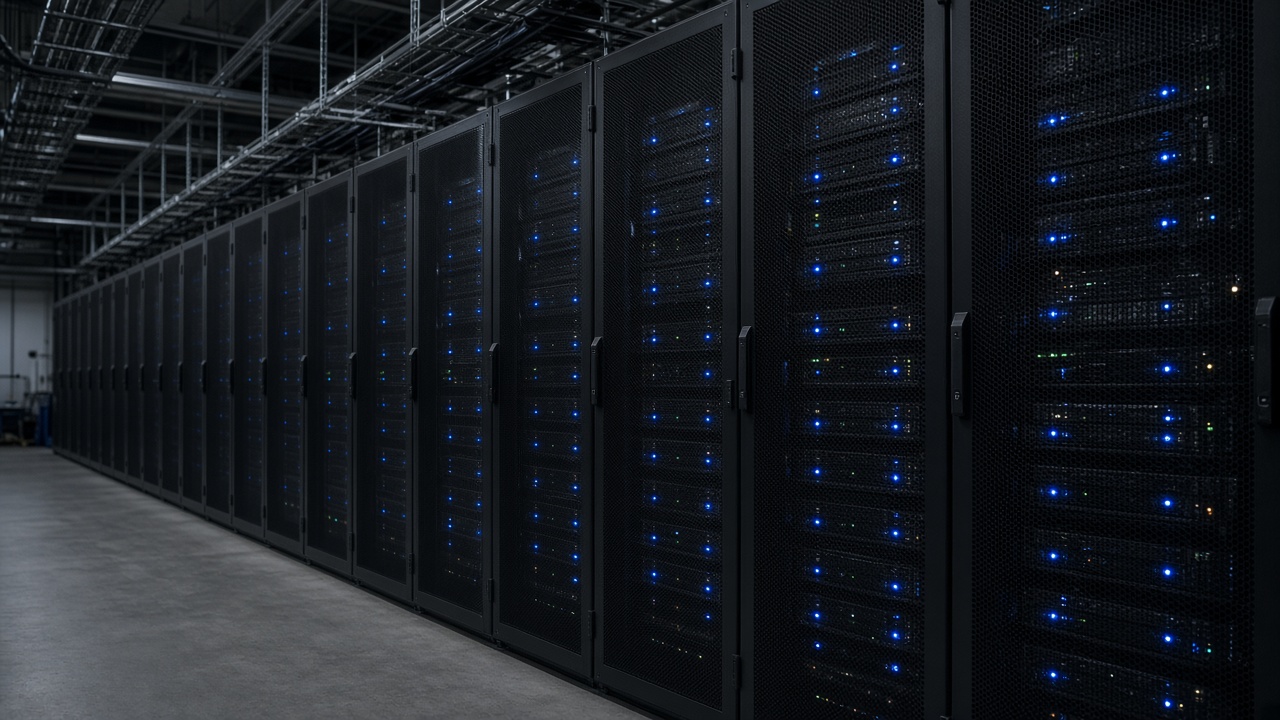
The Department for Science, Innovation and Technology on Tuesday awarded phase-two AI compute credits to five British startups that cleared September benchmarking on the nation’s shared GPU clusters.
Who made the cut
The cohort spans legal-document automation, protein design, grid forecasting, voice accessibility and manufacturing quality control. Each firm receives reserved hours on Cambridge-1 and Isambard-AI class hardware through March 2027, plus technical support from the Science and Technology Facilities Council.
Ministers framed the tranche as a bridge until private cloud capacity expands. Britain still trails US hyperscalers on raw GPU counts, but officials argue prioritized access lets smaller teams train domain-specific models without signing multi-year contracts.
Benchmark gate
Applicants had to submit reproducible training scripts and energy-use figures. A panel including UK AISI observers scored runs on accuracy, safety mitigations and data-licence documentation. Two applicants were rejected for incomplete provenance logs on web-scraped corpora.
Credits cover compute only; winners must fund their own staff and commercialization.Policy context
The awards land as Prime Minister Andy Burnham’s government reorganizes digital departments and faces backbench pressure to show tangible AI wins outside London. Regional firms in Manchester and Edinburgh featured prominently in this round.
Opposition MPs asked whether credit recipients will be required to publish model cards before commercial launch. DSIT said voluntary transparency templates from AISI apply, but mandatory reporting awaits legislation stalled in the Lords.
For the winners, the next hurdle is converting pilot accuracy into paying customers before subsidized hours expire—a familiar crunch for earlier grant programmes that produced strong demos but thin recurring revenue.
Energy footprint
STFC required winners to report kilowatt-hour use per training run, data that will feed into public dashboards tracking the carbon intensity of subsidized AI workloads. Two firms shifted jobs to night-time slots when grid carbon factors were lower.
Venture capitalists watching the list said compute credits are useful for seed extensions but do not replace the need for Series A cheques that cover sales hiring. Several winners already have pilot contracts with NHS trusts or National Grid subsidiaries.
Universities partnering with winners must open-source evaluation datasets within twelve months under grant terms, a concession to critics who feared public money would train closed models with no public benefit.