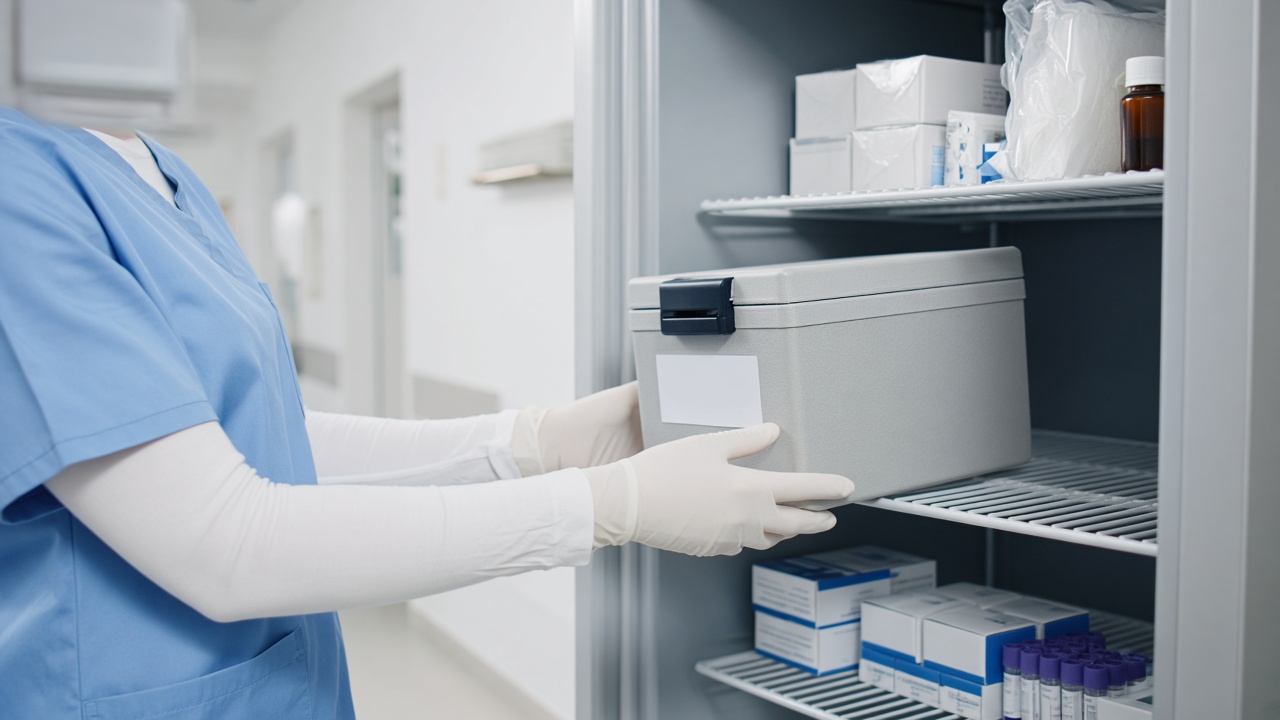
The Ministry of Health, Labour and Welfare airlifted pediatric respiratory syncytial virus antibody vials to Okinawa prefectural clinics this week before autumn ferry schedules shrink in rough seas, after Silver Week pediatric wards in Saitama reported surge volumes that drained mainland cold-chain buffers. The shipments target infants at high risk of severe RSV—not a universal vaccination campaign—and aim to keep remote islands stocked before typhoon-related shipping delays.
Clinical use
Japan approves long-acting monoclonal antibodies for select newborns and toddlers with prematurity or chronic lung conditions. Okinawa’s referral hospitals in Naha and Nago typically receive monthly allotments via commercial cold chain; September’s mainland surge prompted MHLW to charter a temperature-controlled air pallet when ferry operators warned of wave-height cancellations linked to Severe Tropical Storm Surigae’s outer bands.
Pediatricians said island parents already face travel barriers to tertiary care; running out of prophylaxis would force medevac flights costing more than the antibody doses themselves. MHLW published dosing calculators in Japanese and English for clinic nurses managing weight bands.
Supply context
Global RSV antibody demand remains tight after Northern Hemisphere last winter’s early season. Japan’s MHLW negotiated quarterly allotments with distributors; Saitama Red Cross Hospital’s nighttime RSV intake after Silver Week showed mainland cities were drawing safety stock faster than forecasts assumed. Okinawa shipments are explicitly labeled as rebalancing, not extra national quota—mainland clinics should not expect identical airlifts unless local outbreaks exceed thresholds.
Public messaging
MHLW stressed antibodies are not substitutes for routine pediatric visits or flu shots opening in October. Social posts clarifying “airlift” referred to prophylaxis for high-risk infants, not emergency room triage for all coughs—an distinction needed after pandemic-era confusion about ventilator flights.
Ferry and typhoon factors
Okinawa Prefecture’s disaster medical committee tied the airlift to ferry suspension criteria used when Surigae approaches: once roll-on roll-off routes pause, refrigerated trucks cannot restock Yaeyama clinics within 72 hours. MHLW will reassess weekly through October; if seas calm, later deliveries revert to scheduled ferries to save charter costs.
What parents should do
Families with eligible infants should confirm appointments with pediatricians listed on MHLW’s prefectural maps rather than queuing at emergency rooms. Travelers to Okinawa should not expect ad hoc doses without medical records proving eligibility. Clinicians must log lot numbers in the national vaccine ledger—even prophylaxis counts for pharmacovigilance when new seasons start.
Island clinic logistics
Ishigaki and Miyako pediatricians said cold-chain couriers usually arrive on Tuesday ferries; when Surigae’s sea state exceeds operator thresholds, vials must sit in prefectural depots on Okinawa’s main island until rotary-wing flights clear weather windows. MHLW’s airlift skipped that hop for high-risk patients with appointments already booked this week.