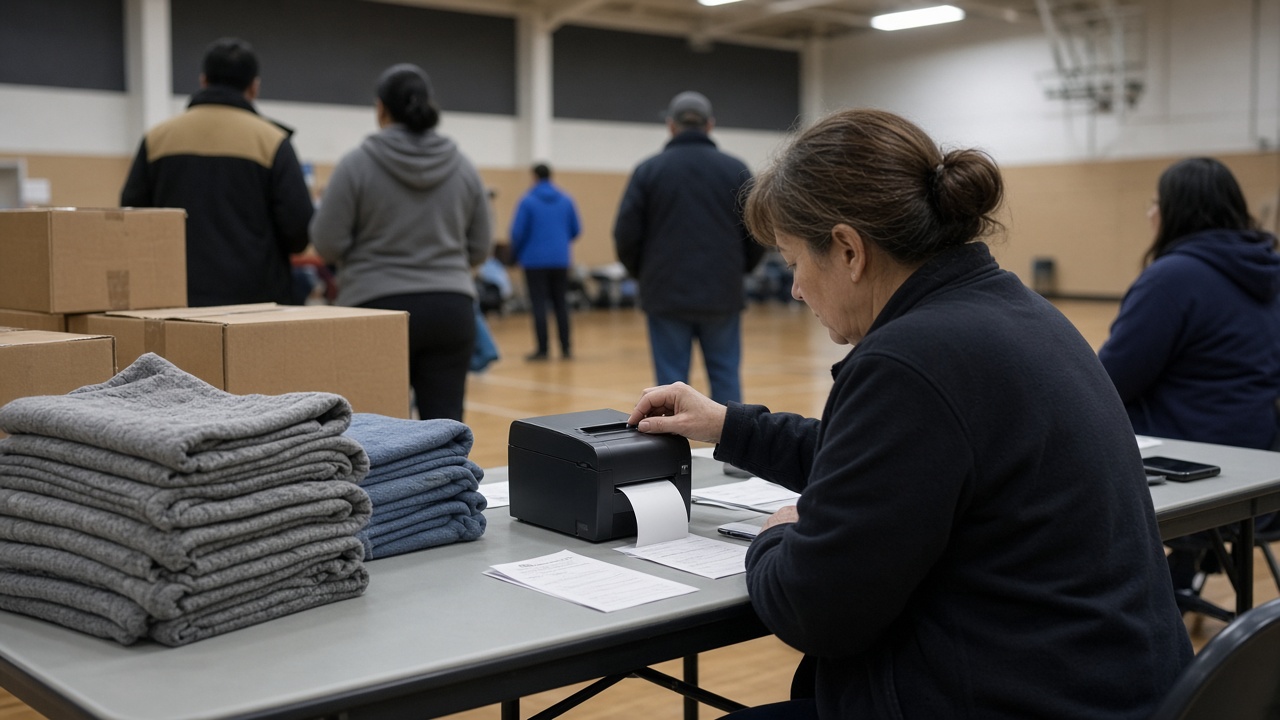
Ricoh Co. began shipping IP54-rated thermal printers to 14 prefectural disaster management offices this week after typhoon-season pilots showed inkjet receipts failed when humidity soaked paper stocks inside school gymnasium evacuation centers. The devices print supply handouts, medication logs, and volunteer shift tickets without liquid ink—critical when power comes from generators and clerks work on folding tables near open shutter doors.
Pilot lessons
Chiba and Kanagawa prefectures tested Ricoh’s RP Series during September drills simulating coastal flooding evacuations. Clerks reported inkjet smears within 20 minutes when fans circulated moist air; thermal output stayed legible for inventory audits 48 hours later. Battery packs rated for six hours let staff print at centers that lost grid power—matching Fire and Disaster Management Agency checklists for “documentation without LAN.”
Ricoh firmware includes offline templates for standard Ministry templates: shelter registration, infant formula distribution, and pet intake forms municipalities previously photocopied in bulk. Switching to on-site printing cut pre-storm logistics costs but raised demand for thermal paper rolls municipalities now stock alongside water pallets.
Procurement path
Orders flow through MIC’s disaster equipment catalog, letting smaller towns piggyback on prefectural frame contracts. Ricoh priced units below ¥180,000 each with five-year maintenance bundles; competing vendors Epson and Canon offer inkjet alternatives with laminated paper, but Ricoh won the pilot on total cost when humidity failures were counted.
Tokyo’s metropolitan government is evaluating a separate batch for ward offices after a July thunderstorm knocked out two ward server rooms, forcing clerks to revert to paper. Ricoh said firmware updates can add QR codes linking to multilingual shelter maps without requiring cloud connectivity at print time.
Limits clerks cite
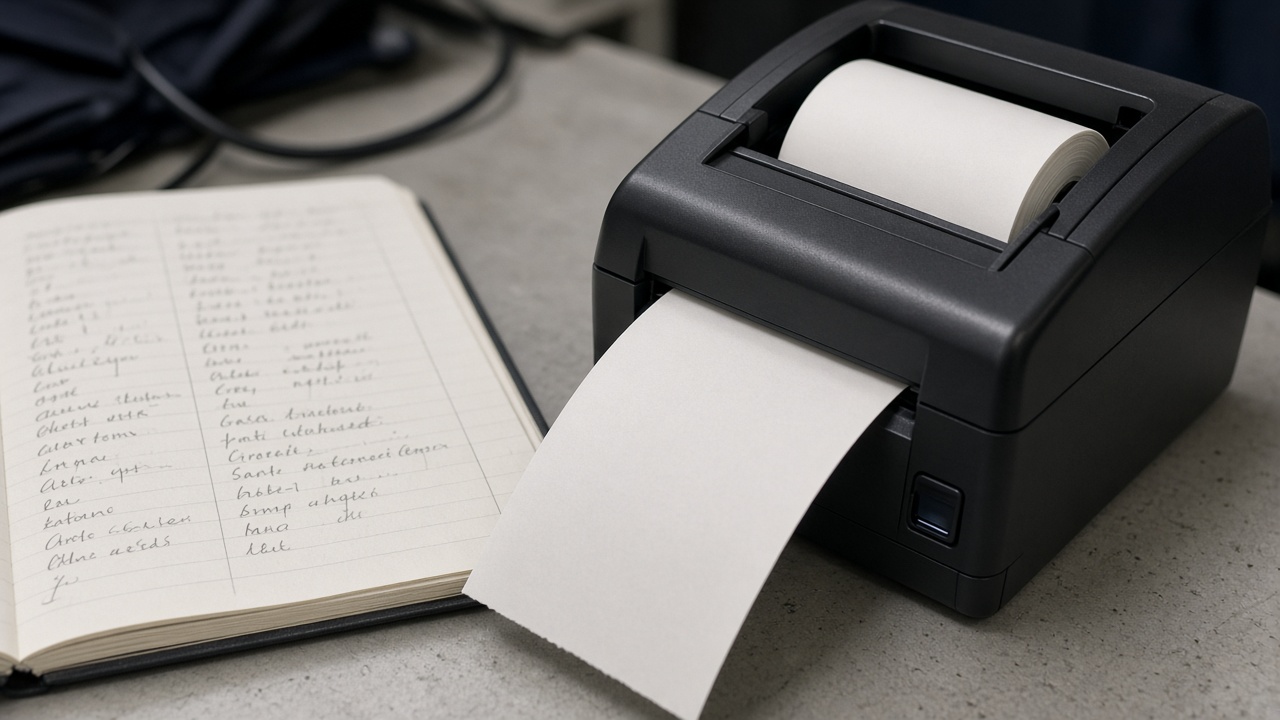
Thermal receipts fade after months in archives—acceptable for shift logs but not for legal contracts. Ricoh advises scanning critical medical handoffs to PDF when LTE returns. Paper widths are narrower than A4 forms some ministries still mandate; Ricoh supplies PDF scaling presets but clerks must train volunteers on alignment.
Humidity helps thermal printing short term yet can still curl rolls if stored on concrete floors. Pilot manuals now require plastic bins and silica packets in kit boxes shipped with each printer.
Typhoon season context
JMA’s September outlook flagged above-average storm counts for the Philippine Sea approach path toward Kyushu and Shikoku. With Severe Tropical Storm Surigae tracking toward Kanto waters, prefectures accelerated deliveries Ricoh originally scheduled for October. FDMA officials said standardized receipts improve audits when central government reimburses shelter operating costs—line items that stalled in past storms when handwriting was illegible.
What municipalities should verify
Offices receiving units should run generator tests with printers plugged into the same inverters used for medical fridges. Stock at least three spare rolls per device per 100 evacuees based on Chiba pilot throughput. Train volunteers on tear-bar cuts; dull blades caused jams that ate precious battery minutes during drills.
Ricoh service desks will prioritize disaster regions if Surigae makes landfall; contract numbers are printed inside kit lids so clerks need not hunt emails during outages.