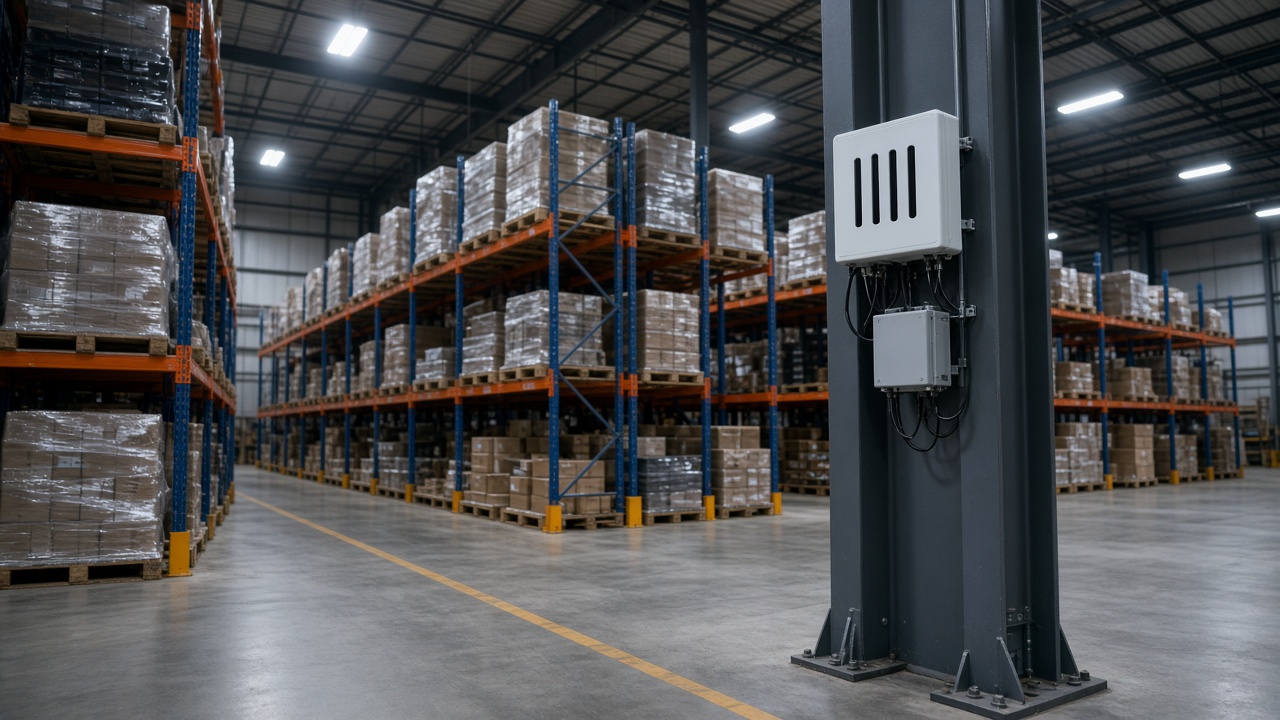
LG Uplus switched on private 5G cells at three Incheon International Airport cargo warehouses on Oct. 1, giving cold-chain operators a dedicated network slice for temperature and humidity sensors on pharmaceutical and seafood pallets. The carrier said the deployment uses standalone 5G rather than public macro cells, reducing handoff delays for roaming forklifts.
Standards work
LG Uplus joined a Ministry of Science and ICT working group on cold-chain telemetry formats so sensors from different vendors can roam between private cells without custom gateways. The October go-live is the first field test of that interoperability spec.
Airport logistics managers have chased lower latency since pandemic-era vaccine shipments exposed gaps in Wi-Fi coverage across metal-clad buildings. LG Uplus pitched the October go-live as a template for other Free Economic Zone sites where public 5G signals struggle to penetrate insulated cold rooms.
Why private 5G at the airport
Public networks share bandwidth with passenger terminals. Cargo handlers complained that peak upload periods—when hundreds of pallets sync sensor logs—collided with passenger data traffic. A private cell on 3.5 GHz spectrum licensed to the enterprise tenant isolates those uploads, LG Uplus engineers said in a technical briefing.
Sensors report every five minutes to a cloud dashboard; breaches trigger SMS alerts to duty managers. The October pilot covers roughly 120,000 square meters combined, a fraction of total Incheon cargo footprint but enough to test winter peak volumes.
Tenants and regulators
Two tenants named in the briefing handle temperature-sensitive biologics; the third moves fresh seafood bound for morning auctions in Seoul. Ministry of Science and ICT officials attended the launch as part of a broader push to export Korean private-network kits to Southeast Asian ports.
Incheon Port Authority staff said they will evaluate whether to mandate private-network readiness in future warehouse leases, though no rule change is imminent.
carrier rivalry
KT and SK Telecom have pitched similar slices at Busan and Ulsan industrial zones. LG Uplus is leaning on its handset distribution relationships with global logistics firms to replicate the Incheon model abroad.
For investors, the October activation is minor revenue today but signals where carriers hunt growth as consumer smartphone additions slow.
What shippers should expect
Handlers using the three warehouses must install LG Uplus SIMs in certified gateways; legacy Wi-Fi-only loggers need retrofit kits the carrier rents monthly. If sensor uptime holds through October, LG Uplus plans two more buildings before year-end.
Winter storms will be the real stress test: frozen seafood and flu-season vaccines share the same ramps in November, and the private 5G layer is supposed to keep alerts flowing when public networks clog.