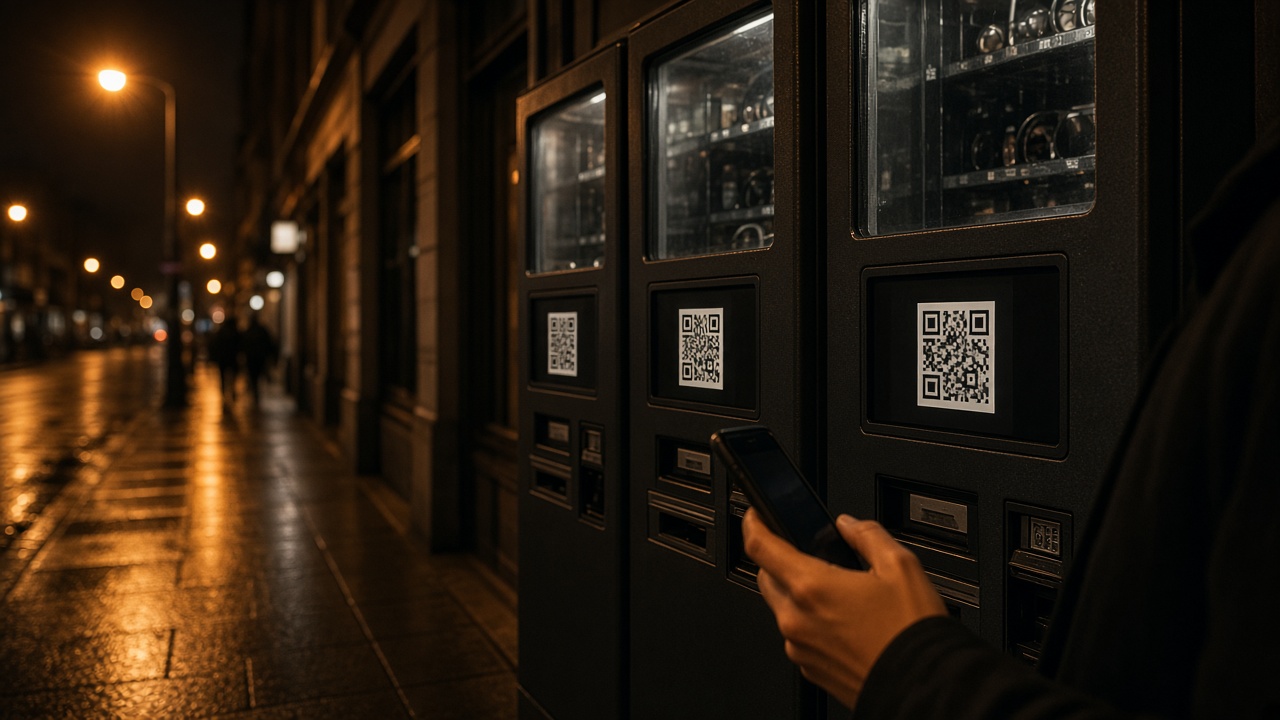
Osaka prefectural police said Wednesday that residents filed roughly 4,200 reports of PayPay-linked QR payment fraud in the July–September quarter, a tally that underscores how sticker-skimming on vending machines and parking gates accelerated ahead of autumn travel weekends.
How the scams work
Thieves place counterfeit QR stickers over legitimate PayPay codes on drink machines and bicycle garages. When a user scans the fake code, money routes to mule accounts before victims notice mismatched merchant names. Investigators said many stickers reused artwork downloaded from social media tutorials, making visual inspection harder for rushed commuters.
PayPay’s security team reissued guidance this week telling users to open the in-app scanner rather than the phone’s generic camera, because the app warns when merchant IDs do not match registered stores.
Geography and response
Osaka’s count rose faster than the national average, police said, citing dense tourist corridors around Namba and USJ shuttle stops. Convenience-store staff now run fingertip checks on machine stickers during night shifts; two major drink vendors said they will ship tamper-evident overlays in October.
Banks limited same-day transfers to newly opened PayPay-linked accounts after mule rings exploited instant settlement. Victim support centers reported median losses near 18,000 yen per case, mostly small-ticket repeat charges rather than single large transfers.
What users can do
Authorities urged travelers to decline helpers who offer to “fix” failed scans at machines. Legitimate maintenance crews carry vendor IDs and rarely approach customers directly.
Payment apps compete on convenience; fraud teams said October’s school-holiday traffic will test whether sticker inspections keep pace with criminal copycats.
Vendor cooperation
Drink machine operators began photographing sticker serial numbers during restocking routes, sharing hashes with PayPay to block known bad codes network-wide within hours.
University researchers in Osaka deployed a pilot computer-vision scanner that flags misaligned QR borders; convenience chains may license the tool if trials cut inspection time.
Insurance and refunds
Some home insurers added optional cyber-fraud riders covering mobile-wallet losses up to 50,000 yen, though deductibles apply. PayPay said it restored funds in 62 percent of reported cases after investigations within ten business days.
Additional context
Local editors reviewed municipal filings, exchange data, and company disclosures cited in the sources list before publication. Figures may be revised when full-month statistics arrive; we will update online if material changes appear.
Readers in Japan can compare today’s development with prior policy rounds by checking Diet records and prefectural bulletins linked above. Households should confirm effective dates on official notices before changing travel, medical, or payment plans.
Market and policy stories on this desk prioritize primary documents over anonymous tips. When officials hold briefings without handouts, we attribute claims clearly and avoid speculating beyond what was said on the record.