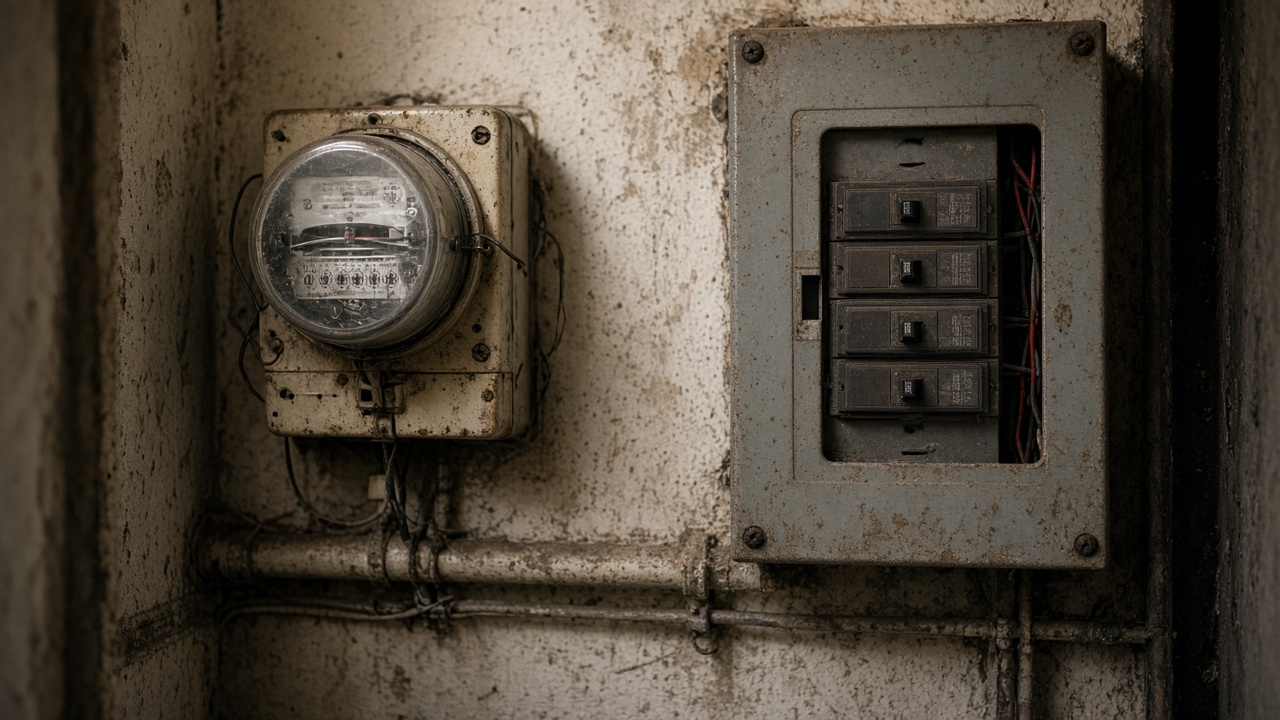
SP Group’s regulated household electricity tariff falls to 28.59 cents per kilowatt-hour before GST from Thursday, a 10.4 percent drop from the July–September quarter that briefly touched a record 31.91 cents.
How the quarterly review works
Singapore’s tariff tracks fuel costs from the first two and a half months of the preceding quarter, passed through with a lag. SP Group said lower oil prices in July and August drove the Q4 cut, even though wholesale benchmarks spiked later in September when Middle East tensions flared.
The overall regulated tariff—including commercial users—falls 10.6 percent or 3.32 cents per kWh on average before tax. Households on standard plans see the change automatically; those on retailer contracts should check whether their discount is tied to the regulated path or a fixed promotional rate expiring this month.
Gas and the full utilities stack
City Energy cut the household town gas tariff 8.6 percent to 21.45 cents per kWh before GST, down from 23.48 cents. Families cooking on gas plus electric water heaters get relief on both lines, though water charges and refuse fees are unchanged.
Marcus Goh’s household-money desk has tracked how July’s tariff peak collided with air-conditioning season. A 10 percent decline does not erase the 17 percent quarter-on-quarter rise families absorbed from April to September. Budget planners should still model January’s review, which will incorporate September’s fuel stress unless markets calm.
CPF, PayNow and payment habits
Most households pay utilities through GIRO or the SP app; there is no separate “card promo” lane like travel cashback cards. What matters is whether you are on a regulated plan versus a fixed-price retailer contract that may not pass through the full cut until renewal.
MOF’s October U-Save double credit lands in the same week as the tariff reset, which smooths cash flow for eligible HDB families but does not change the tariff formula itself. Middle-income private renters who pay landlords inclusive rents may see none of either benefit.
What to watch in Q1 2027
Rystad Energy’s David Chew told The Straits Times the Q4 decrease matched expectations but warned that sustained Middle East risk could lift Q1 tariffs. The Uniform Singapore Energy Price hit $486.21 per megawatt-hour in the week of 13–19 September—the highest weekly print of 2026—feeding into the next review window.
Households with solar export credits or time-of-use trials should reconcile bills after the tariff step-down; export remuneration formulas reference wholesale trends separately from the regulated household rate.
Retailers and open-market consumers
Open electricity market retailers set their own discounts off the regulated tariff. Households whose plans expired in September should compare effective cents per kWh after the Q4 reset, not just headline signup gifts. Some plans lock a fixed rate through December, meaning the SP cut passes through only at renewal.
City Energy’s parallel gas cut matters for households on town gas cookers and gas water heaters. Combined with October U-Save, a four-room family running both fuels could see double-digit dollar relief on the monthly statement even before adjusting air-con usage as haze episodes continue.