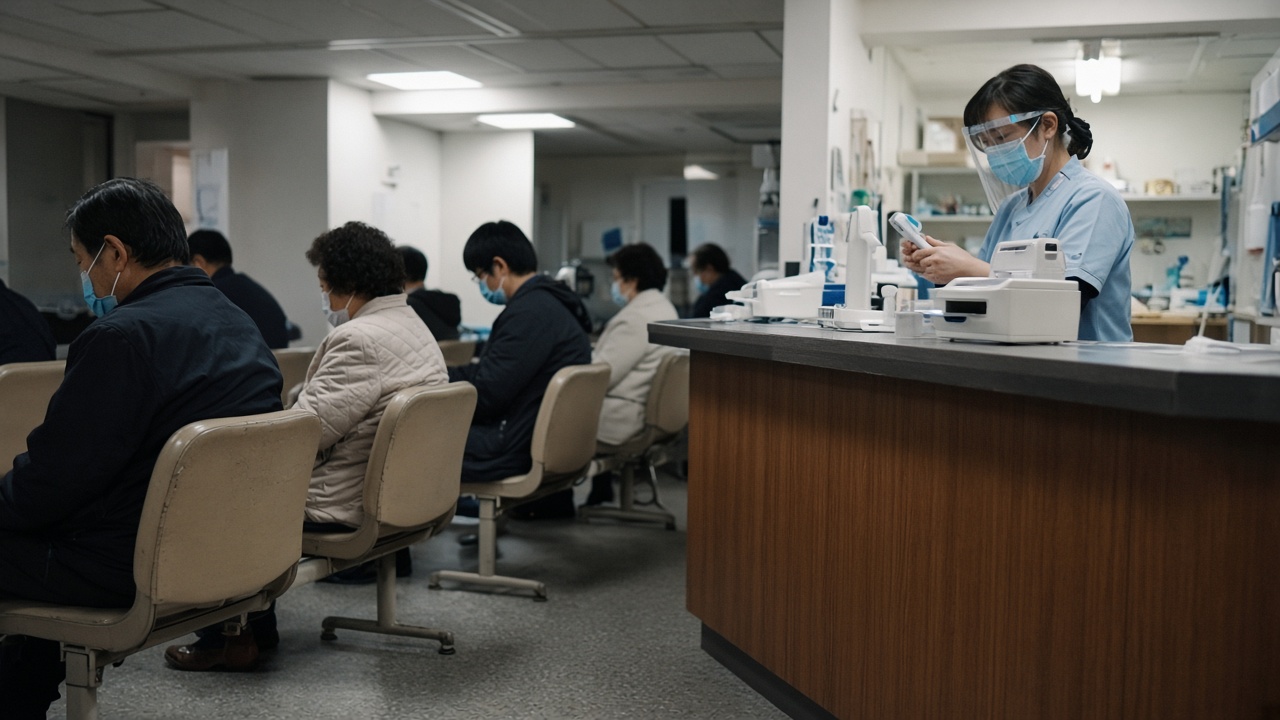
Japan's health ministry said Friday that influenza patients averaged 7.17 per monitored medical institution nationwide in the week through Sunday, crossing the 1.0-per-clinic threshold that defines a nationwide outbreak in all 47 prefectures for the first time this season.
The figure was down slightly from 8.48 the previous week, but a ministry official told reporters the dip may be temporary given prior-year patterns that saw secondary waves after an early October rise. Okinawa recorded the highest load at 42.50 patients per clinic, far above the prefectural warning level of 30. Saitama, Ibaraki, Aichi, and Gifu also exceeded the alert benchmark of 10 patients per site, according to the ministry announcement carried by Jiji Press.
What the surveillance network captures
Officials base the weekly bulletin on roughly 3,000 designated clinics and hospitals that report influenza-like illness counts under Japan's sentinel surveillance system. The network does not count every general-practice visit in the country; instead it tracks trends early enough for prefectural governments to open vaccination lanes and for employers to adjust sick-leave guidance.
Because Okinawa's tourism economy keeps inter-island travel high even in autumn, epidemiologists watch the prefecture as an early indicator for Honshu cities. The 42.5 reading suggests localized pressure on pediatric clinics and ferry terminals where passengers share confined space, even though nationwide averages remain lower than Okinawa's peak.
Hospital and workplace response
Major hospital groups in the Kanto region said they have not activated pandemic-era triage tents but have extended fever-clinic hours at several affiliates. Rail operators reminded passengers to wear masks on crowded commuter trains, reviving guidance that had softened after COVID emergency declarations expired. Pharmaceutical distributors reported steady demand for antiviral prescriptions, though neither the ministry nor drugmakers have announced shortages.
Employers are revisiting attendance rules as the outbreak coincides with year-end business travel. Several Tokyo-listed companies told employees to stay home with fever until 24 hours after symptoms subside without medication, a stricter line than some firms used during mild COVID seasons.
Vaccination and the winter outlook
Japan's subsidized influenza vaccination program is underway for older adults and high-risk groups, with municipal offices reporting steady appointment uptake in Saitama and Chiba after those prefectures crossed the alert line. The ministry continues to urge handwashing and cough etiquette rather than new legal restrictions, reflecting a policy preference for voluntary measures unless hospitalizations spike.
Virologists at national universities caution that early nationwide outbreaks do not always predict a severe winter; some seasons peak in January. Still, simultaneous elevation across every prefecture is uncommon in early October and gives local governments a narrow window to push shots before holiday travel clusters form.
Clinicians will watch next Friday's bulletin for confirmation that the modest national decline holds. If averages rebound above eight patients per site while Okinawa stays above 40, prefectures may issue formal outbreak declarations that trigger school absentee reporting and additional vaccine shipments to island clinics.