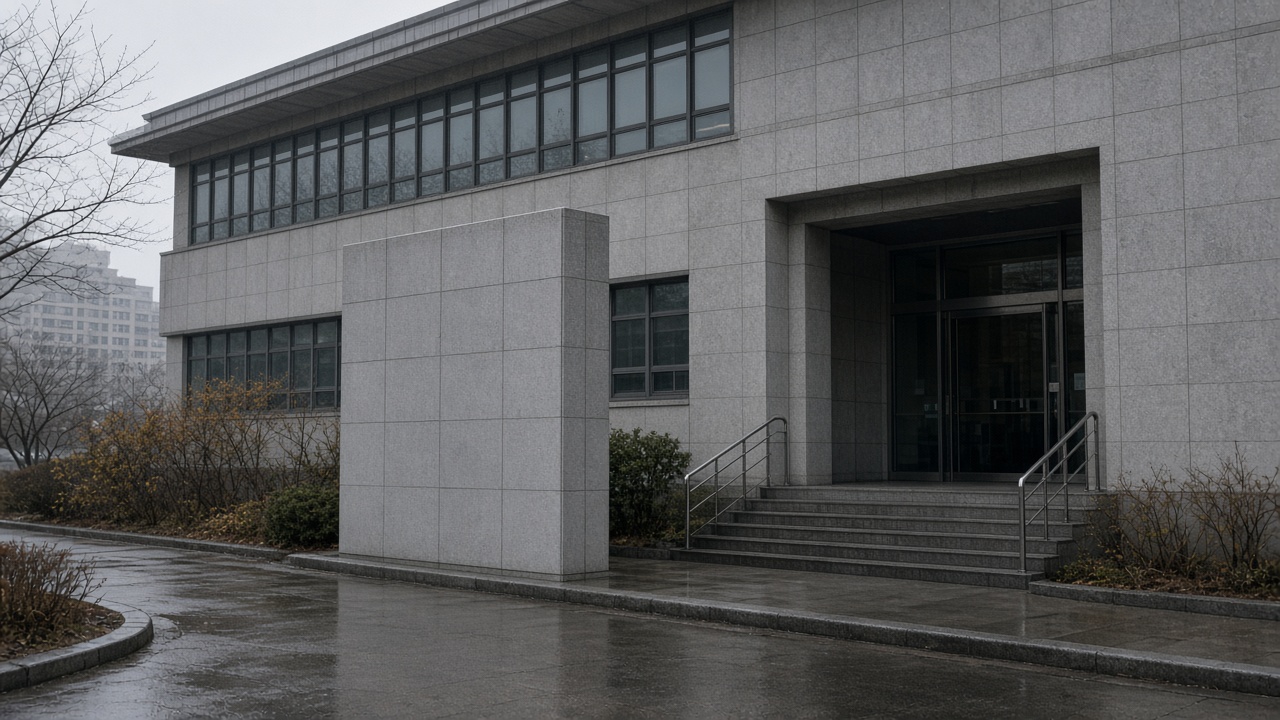
South Korea on Friday formally split criminal investigations from prosecutions for the first time in 78 years, launching the Serious Crimes Investigation Agency while renaming and shrinking the prosecutors’ service into an indictment-focused Public Prosecution Service.
Separate launch ceremonies in Seoul marked the end of the prosecutors’ office that had combined investigative and charging powers since the late 1940s. Under the Lee Jae Myung administration’s reform package, the SCIA now handles corruption, defense-industry crimes, insurrection cases and other major felonies, while prosecutors are limited to indicting suspects and maintaining those indictments through trial.
How the offices are reorganized
The restructured prosecution service abolished 42 direct-investigation divisions nationwide and converted them into 29 serious-crime indictment divisions, according to summaries published by Seoul Economic Daily. Headquarters units that once ran their own probes were merged or closed, with prosecutors told to concentrate on trial expertise rather than field investigations.
A new non-referral review division will examine cases where police or other agencies declined to send files to prosecutors, including allegations that investigators acted unlawfully or inadequately. Prosecutors also published operating standards for interviewing suspects before detention-warrant requests under revised criminal procedure rules, allowing them to verify facts beyond paper records.
Capacity and leadership gaps
Yonhap News Agency reported that both agencies began operations without permanent chiefs in place. President Lee approved a parliamentary confirmation hearing request for SCIA nominee Kim Ji-yong, a step Cheong Wa Dae said followed an additional vetting process after ruling-party lawmakers questioned his reform credentials.
Workforce constraints loom immediately: the SCIA launched with roughly 1,900 employees against an authorized staffing level near 6,000, Yonhap said. Critics who backed splitting prosecutors’ powers now warn that shifting investigative authority toward police could create its own imbalance if the new agency cannot scale quickly.
What changes for suspects and victims
Supporters argue the split will curb prosecutorial overreach that fueled past political scandals, while victims’ advocates hope the non-referral review desk will tighten standards when agencies decline to pursue cases. Defense lawyers, meanwhile, are watching whether indictment-only prosecutors can challenge weak police files without supplementary investigation powers.
The National Assembly’s extraordinary session, set to open Monday, is expected to debate follow-on legislation tied to land-security controls and other Lee priorities. Opposition lawmakers have already signaled they will scrutinize whether police receive adequate oversight once prosecutors lose direct investigative teams.
For Friday’s criminal-justice milestone, the immediate test is whether two under-staffed institutions can handle high-profile cases without the procedural fights that delayed the reform for years. Court schedules this autumn will offer the first public scorecard.