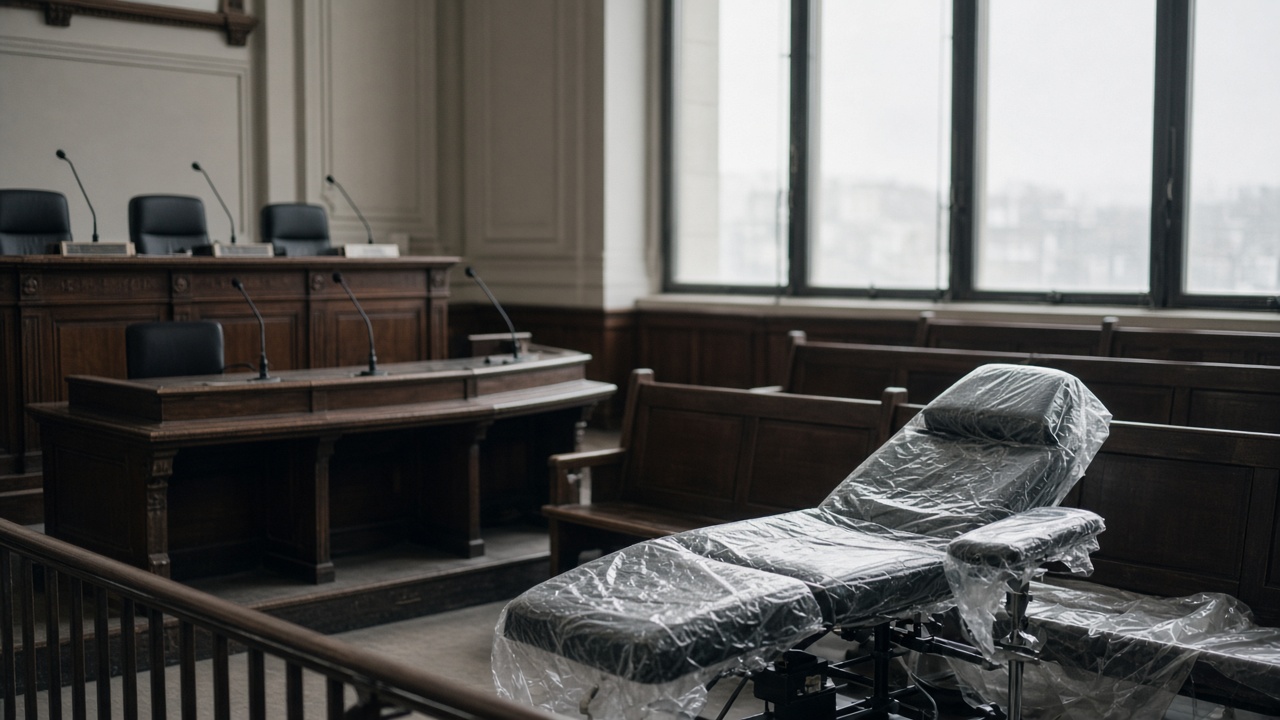
People Power Party lawmakers filibustered Thursday’s National Assembly plenary session, preventing the Tattoo Artist Act from reaching the floor even though health and judiciary committees had passed the bipartisan bill—while Democratic Party leaders adopted a caucus resolution urging disciplinary steps against PPP Rep. Kim Tae-gyu after he told a cable show that the 1979 military takeover and former President Yoon Suk-yeol’s martial-law decree were “not insurrection.”
How the tattoo bill died on the calendar
Health and Welfare Committee chair Park Joo-min had scheduled the tattoo legislation for 2 October after years of treating body art as a medical grey zone. The bill would license artists, set hygiene standards, and move studios out of a legal limbo where police raids competed with consumer demand for mainstream ink work.
PPP floor leader Han Dong-hoon tied the filibuster to unrelated special-prosecutor bills, arguing that the ruling bloc was rushing politically charged probes. The tactic blocked every queued item, not only prosecutors’ measures—so a consensus health bill became collateral.
What Park told reporters
Park held a stair press conference condemning the delay, saying both parties had agreed in committee. He promised to keep pushing for floor time before the regular session calendar compresses around the 6 October national audit kickoff.
Tattoo industry groups that travelled to Yeouido said they had booked client appointments assuming passage; studios still operate under enforcement lotteries that vary by district.
Kim Tae-gyu remarks and DPK response
On 1 October Kim appeared on a JTBC YouTube politics channel and answered questions about historical coups and Yoon’s December 2024 martial-law order by rejecting the insurrection label. DPK floor spokesperson Lee Ju-hee said the caucus voted to treat a formal expulsion push as party line, and floor leader Han Byeong-do criticised PPP “self-purification” capacity in a closed-door meeting reporters later summarised.
PPP leadership did not remove Kim from committees Thursday; expulsion requires assembly supermajorities unlikely while PPP holds blocking minorities. The fight nonetheless consumes bandwidth health committee staff wanted for implementing tattoo licensing IT systems.
Broadcast bills also queued
DPK spokespersons said three media-reform bills were competing for the same plenary window; one integrating Korea Broadcast Advertising Corp and the Audience Media Foundation may slip to a later session after PPP demanded renegotiation on governance boards.
What happens before audit week
If PPP maintains the filibuster through the weekend, tattoo artists return to municipal licensing guesswork while audit committees fight over witness lists for Samsung and SK chairmen on the Honam semiconductor cluster. Hana Im’s desk will track whether bipartisan health bills or partisan discipline sets the tone for October’s floor hours—because stalled consensus legislation signals how much room remains for industrial policy bills once prosecutors’ politics take the rostrum.
Audit witness fights
Trade committee aides said PPP wants Samsung and SK leaders questioned on Honam cluster subsidies while DPK members resist calling chaebol chairs before ministry officials testify. Labour unions secured a witness slot on bonus disputes, showing how unrelated labour fights piggyback on audit season when plenary time is scarce.
Constitutional Court Chief Justice Cho Hee-dae remains on the judiciary committee witness list after a September vote, adding another flashpoint that filibuster supporters cite as reason to delay all non-budget bills.
Local enforcement reality
Seoul district offices still treat unlicensed tattoo work as medical-law violations in some wards while others issue temporary event permits for conventions. Artists told Yonhap they wanted the national bill precisely to end that patchwork; each filibuster day extends ambiguous enforcement for shop owners paying rent on Hongdae alleys.
Medical associations that opposed deregulation said infection control training modules are ready but cannot be mandated until the statute passes; PPP health staff privately agree the bill is not partisan though leadership linked it to the broader prosecutorial package.
Calendar pressure
Assembly aides counted only eleven plenary hours left before standing committees shift fully to audit hearings on 6 October. Each filibuster hour consumes slots that had been reserved for game-industry follow-up decrees and occupational safety enforcement rules passed the prior day. Leaders from both parties scheduled weekend liaison meetings; without a discharge vote, bipartisan bills queue behind prosecutorial politics regardless of merit.
Foreign embassies monitoring Korean regulatory predictability noted the tattoo delay in weekly cables—not because ink shops move GDP, but because investors read filibuster habits as signals for how quickly other consensus bills can clear when prosecutors dominate headlines.