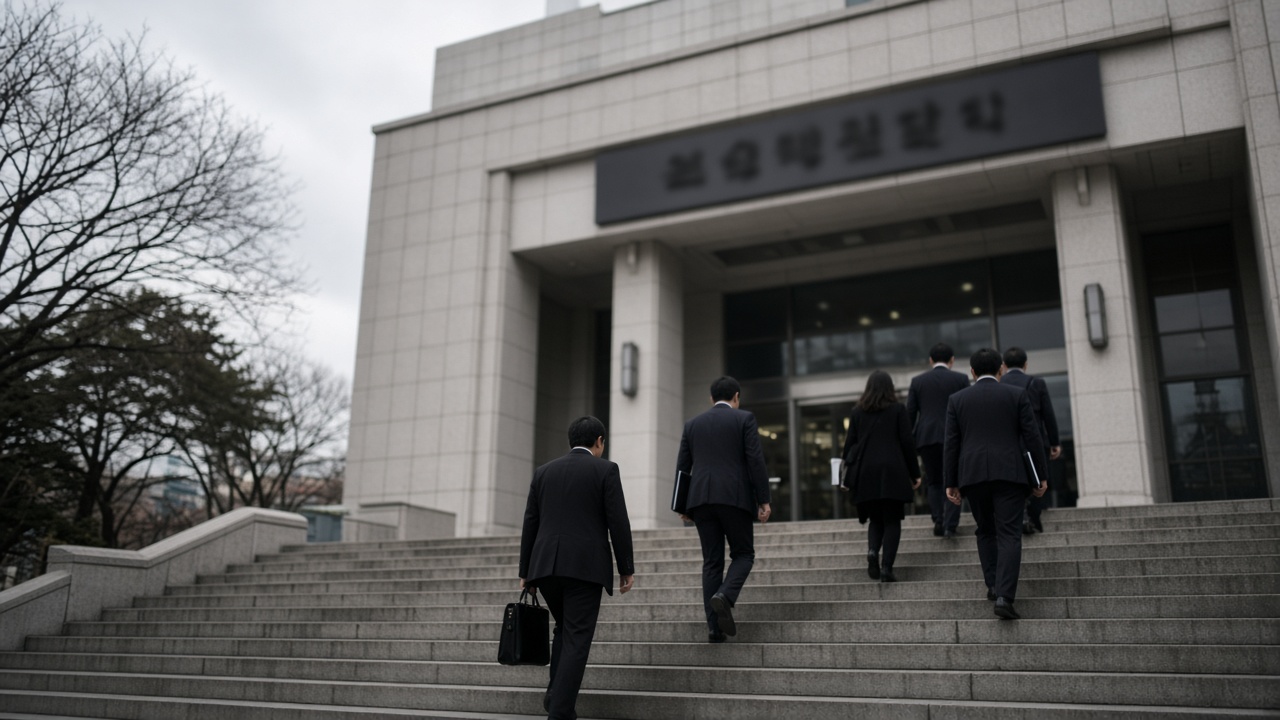
The Seoul High Court finished hearing Seoul Mayor Oh Se-hoon’s appeal against a political-funds conviction on Friday, setting up a verdict later this month after a recorded phone call emerged as the central piece of impeachment evidence against a key witness.
Oh, a conservative who narrowly won back City Hall in 2022, was fined 10 million won at trial for accepting opinion-poll services paid by a third party in violation of campaign finance rules. He has argued that a political consultant commissioned the polls on his own initiative and that the mayor never authorized or benefited from concealed payments. Prosecutors and the court of first instance said Oh and the consultant coordinated the arrangement.
What the recording says
During the appeal, the panel presided over by Chief Judge Koo Hoe-geun accepted a recording of a conversation between consultant Kim Han-jung and witness Myung Tae-kyun as impeachment material meant to challenge Myung’s credibility. In the call, Kim is heard saying he conducted polling work independently and that Oh “does not know” about certain payments, according to reports from the courtroom and local media covering the hearing.
Oh’s defense team contends the clip undermines the lower court’s finding that the mayor and Kim jointly hid poll expenses. The special prosecutor’s office countered that the recording is selective and does not erase documentary traces of contact between City Hall aides and the polling vendor. Both sides delivered final statements Friday after the special prosecutor’s sentencing request and Oh’s closing remarks.
Stakes for Seoul politics
A upheld conviction would leave Oh with a criminal record ahead of potential re-election maneuvering and could energize opposition calls for his resignation, even though the fine alone does not automatically remove him from office. A reversal would bolster his claim that prosecutors aligned with the national government are criminalizing normal campaign research.
The case has unfolded while President Lee Jae Myung’s administration pushes sweeping prosecution reforms and while conservative municipal leaders try to rebuild after last year’s impeachment crisis. Oh’s allies portray the poll prosecution as part of a broader effort to sideline opposition figures; Lee’s supporters say strict enforcement of political funds law is long overdue after decades of opaque spending.
Timeline and next steps
The high court is expected to pronounce its decision on 23 October, according to schedules announced at the close of Friday’s session. Until then, Oh remains mayor with full powers, though he has reduced public appearances during trial weeks.
Legal analysts note that appellate panels in political cases often focus on whether trial courts properly weighed witness testimony rather than re-investigating facts. The admission of impeachment evidence is relatively rare in Korean criminal appeals and may signal that the judges saw the recording as substantial enough to warrant a fresh credibility assessment.
Why voters are watching
Seoul’s budget, housing plans and response to flooding dominate daily governance, but campaign-finance scandals have ended mayoral careers before. Voters who backed Oh as a check on the national government may treat the verdict as a test of whether courts can separate routine polling from concealed donations. Critics who see the mayor as evasive will read an acquittal as proof that well-connected politicians still escape meaningful punishment.
Regardless of outcome, the recording ensures that any future debate over political funds in South Korea will reference whether consultants can bind candidates without their knowledge—a question that reaches beyond Seoul to National Assembly races where private polling is ubiquitous but disclosure rules remain tight.