A government expert panel on Friday urged Japan to block land sales that could endanger national security, recommending that the Cabinet Office gain authority to inspect deals and punish purchases made without approval—even when buyers are Japanese nationals. Economic Security Minister Kimi Onoda received the proposal as Prime Minister Sanae Takaichi’s administration prepares a legislative package for the upcoming extra Diet session.
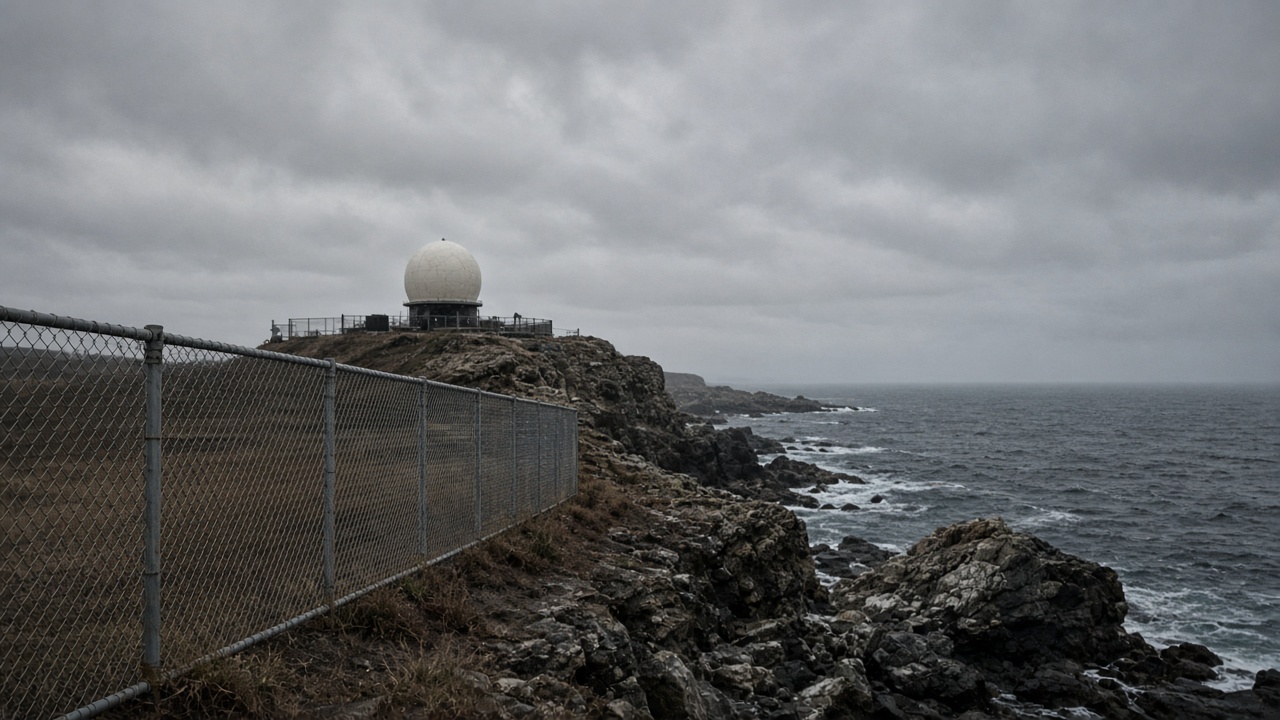
The panel’s report focuses on two geography types: uninhabited remote islands along Japan’s maritime frontiers, and land within roughly one kilometer of facilities deemed vulnerable to drone surveillance or attack. Officials have grown anxious about opaque acquisitions near Self-Defense Force bases, nuclear-related sites and undersea cable landing points as cheap drones reshape perimeter defense.
What lawmakers would gain
Under the panel’s plan, the Cabinet Office—not only municipal governments—could enter properties, demand ownership documents and halt closings that lack prior clearance. Sellers who proceed anyway would face administrative fines and potential criminal referral, a sharper tool than the disclosure regimes Tokyo has used until now.
The main ruling Liberal Democratic Party unveiled a parallel draft on Thursday, signaling coalition agreement that economic security legislation will ride alongside defense spending debates this fall. Opposition parties have demanded hearings on how “sensitive zones” would be mapped without exposing classified locations.
Why nationality is not the trigger
Friday’s language deliberately de-emphasizes foreign ownership alone as the risk factor, reflecting lessons from cases where domestic shell companies masked ultimate controllers. Panel members cited Chinese survey activity near Okinawa and increased Russian naval transits as backdrop, but the written recommendation applies to any buyer whose purchase could facilitate hostile reconnaissance.
Remote islands feature prominently because Japan’s southwestern chain includes small rocks with outsized EEZ implications. Local fishermen and tourism operators have worried that blanket bans could freeze legitimate harbor upgrades; the panel responded that approved infrastructure would still move through a centralized vetting window rather than ad hoc municipal review.
Calendar in the Diet
Onoda told reporters she would “accelerate” inter-ministry drafting so bills can be introduced when the extraordinary session opens later this month. The Cabinet Office would need new staffing for onsite inspections, and the Justice Ministry must sign off on penalty tiers—a process bureaucrats say could spill into 2027 if parties quarrel over property rights.
For Takaichi, who took office promising a harder economic-security line than her predecessor, Friday’s report offers concrete text to pair with missile and cyber initiatives already on the order paper. It does not, by itself, stop any pending transaction; that requires statute and budget, both still ahead.