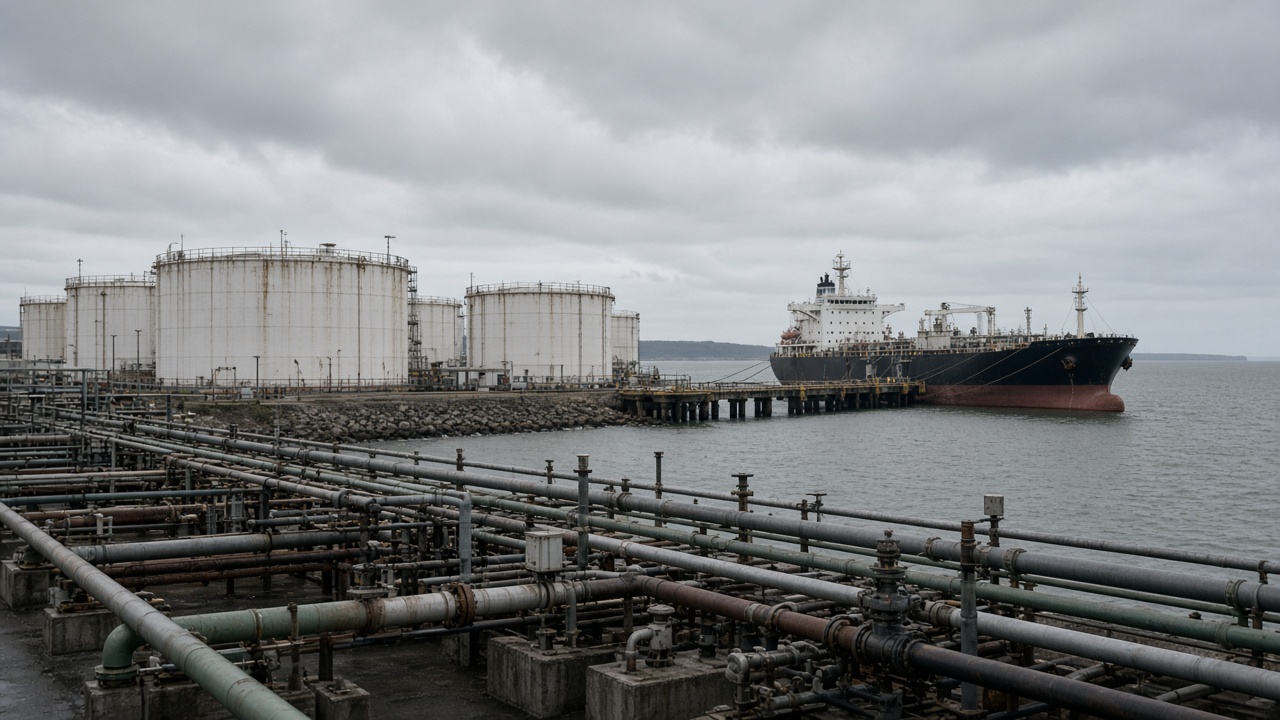
Leaders of the Group of Seven agreed on Friday to tap strategic petroleum reserves for a combined draw of 100 million barrels over the next four months, routing the volumes through the International Energy Agency and promising a heavy diesel component in the first three weeks. The communique lands as Brent crude has traded near $100 a barrel and European diesel margins have widened following tanker incidents in the Strait of Hormuz and months of Middle East supply anxiety.
What the statement commits
The joint text, issued after a virtual summit, says G7 members and partner countries will coordinate the release "to begin immediately" and run it for four months. Within that window, leaders promised a "frontloaded substantial diesel release" during the first 20 days, a detail French President Emmanuel Macron highlighted in remarks afterward as aimed at truck fleets and heating markets that feel crude-price moves with a lag.
The package is not crude-only. Officials described a mix of diesel and crude oil drawn from national stocks, though individual governments have not yet published country-by-country schedules. The IEA is tasked with monitoring implementation and reporting back within 20 days with recommendations on replenishment and any follow-on diesel actions.
Refinery coordination and export politics
Beyond stock draws, the G7 pledged to align refinery maintenance so multiple large shutdowns do not coincide, and to push utilization higher where plants have spare capacity. Leaders also said they would encourage other refining centers to lift diesel output while diesel cracks remain elevated.
Equally notable for traders was a line ruling out "export restrictions on energy and energy products" among G7 members. That language follows public threats from U.S. President Donald Trump to curb diesel exports as domestic pump prices climbed. Macron told reporters that Trump had been "very clear" on avoiding bans, framing the pledge as stabilizing trans-Atlantic supply rather than fragmenting it.
Market reaction and open questions
Brent briefly dipped below $100 on Friday after the statement circulated, then settled back around $102 by the evening in Europe, traders said. Diesel differentials in northwest Europe have been the sharper pain point for logistics firms, which is why diplomats emphasized the early diesel tranche.
Several details remain unsettled. The communique references prior March 2026 IEA commitments already partly delivered; Friday's 100 million barrels is described as additional coordinated volume once those earlier pledges are accounted for. Partner countries outside the G7 may participate, but no full participant list was attached to the release.
What comes next
IEA members are expected to meet within days to translate the political agreement into release notices and timing. Energy ministers will watch whether the diesel front-loading actually reaches import terminals before winter stock-building accelerates in the Northern Hemisphere.
For households, the immediate effect is indirect: leaders framed the move as cushioning diesel-intensive transport and power backup generators rather than announcing retail price caps. If Hormuz shipping risks persist, analysts caution that even a 100-million-barrel draw may only blunt spikes rather than restore pre-crisis price levels.