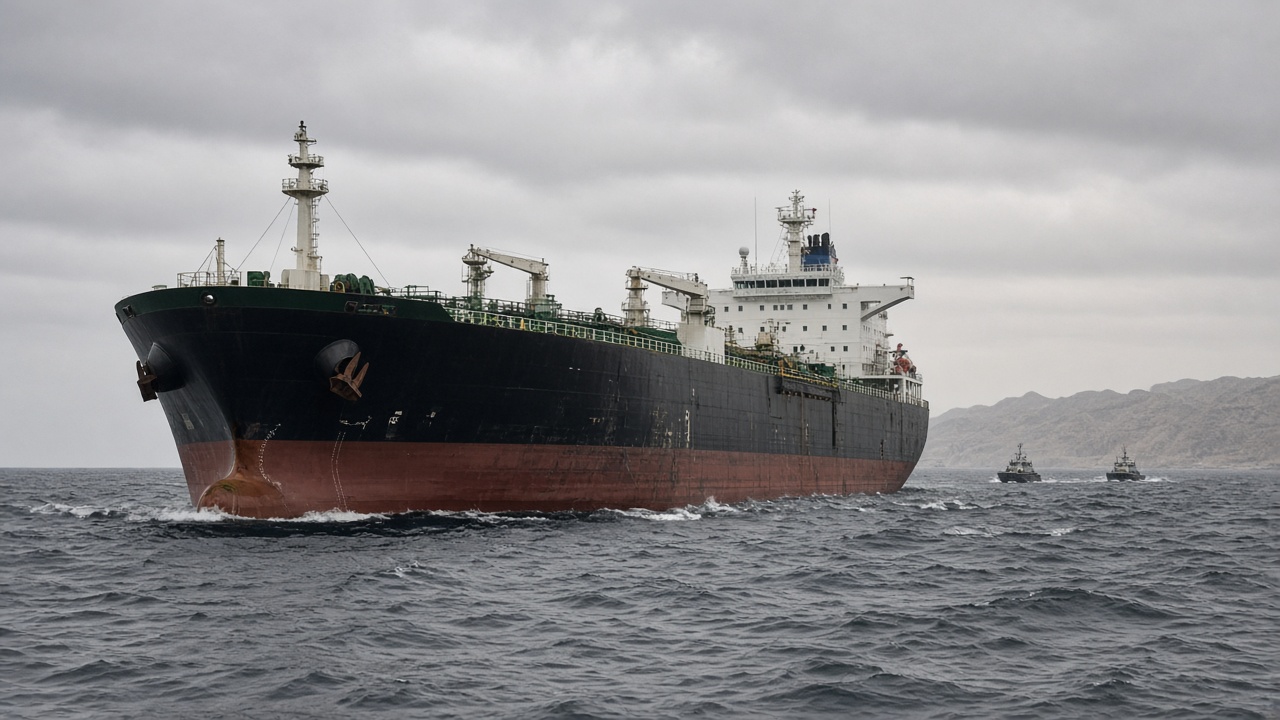
Iraq’s state-owned Oil Tanker Company said Saturday it moved two million barrels of Iraqi crude through the Strait of Hormuz aboard a very large crude carrier, describing the run as its first operation of that scale in decades. Director General Ali Qais Abdul Jabbar said the company is now carrying oil through the narrow waterway rather than handing it off at the port of Basra, a shift that gives state marketer SOMO more flexibility on timing and destination.
Why Baghdad is sailing its own crude
For years, Iraqi export flows have centered on Basra terminals and third-party shippers that lift cargoes in the Gulf. By keeping crude on company-controlled tonnage through Hormuz, Baghdad can route volumes toward buyers without being locked into a single loading point. Abdul Jabbar said in a statement that the arrangement could help SOMO secure better sales terms and pricing, though he did not name the buyer or discharge port for this voyage.
The announcement lands as tanker traffic through Hormuz remains under heavy scrutiny. Regional conflicts have repeatedly disrupted transit, and insurers have raised premiums on Gulf voyages. Iraq has previously secured Iranian permission for its tankers to pass the strait during periods when Tehran restricted movement, according to regional news reports citing Iraqi officials.
Fleet expansion and competition
Abdul Jabbar said the Oil Tanker Company is working to purchase and operate specialized crude carriers to expand its fleet and compete with regional shipping firms that dominate liftings from the Gulf. Owning VLCC capacity would let Baghdad capture freight margins that now accrue to international owners and could give SOMO more weight in term negotiations.
Analysts who track Iraqi exports said the move is modest in volume terms—two million barrels is a fraction of Iraq’s daily output—but symbolic for a government trying to exert more control over the marketing chain. SOMO already negotiates term contracts and spot sales; adding company-owned shipping extends that control one link closer to buyers in Asia and Europe.
Market and security backdrop
Global oil markets have been volatile amid fighting in Yemen that has included strikes on Saudi energy infrastructure and renewed concern about Red Sea and Gulf shipping lanes. The G7 also agreed this week to coordinate a release of emergency stockpiles, underscoring anxiety about supply routes. Iraq, OPEC’s second-largest producer, depends on unimpeded Gulf exports for nearly all of its federal revenue.
Shipping data providers and photographers have documented heavy vessel congestion near Omani waters at the eastern mouth of Hormuz in recent days. Baghdad did not say whether this VLCC encountered delays or security escorts. The company promised further details as it adds tankers.
What comes next
Officials in Baghdad have not published a schedule for additional company-owned liftings. Traders will watch whether SOMO repeats the model on larger programs or keeps it as a tactical option when Basra berths are tight. Any sustained increase in Iraqi-owned tonnage through Hormuz would also test how neighboring states and insurers treat state-flagged voyages if regional tensions flare again.