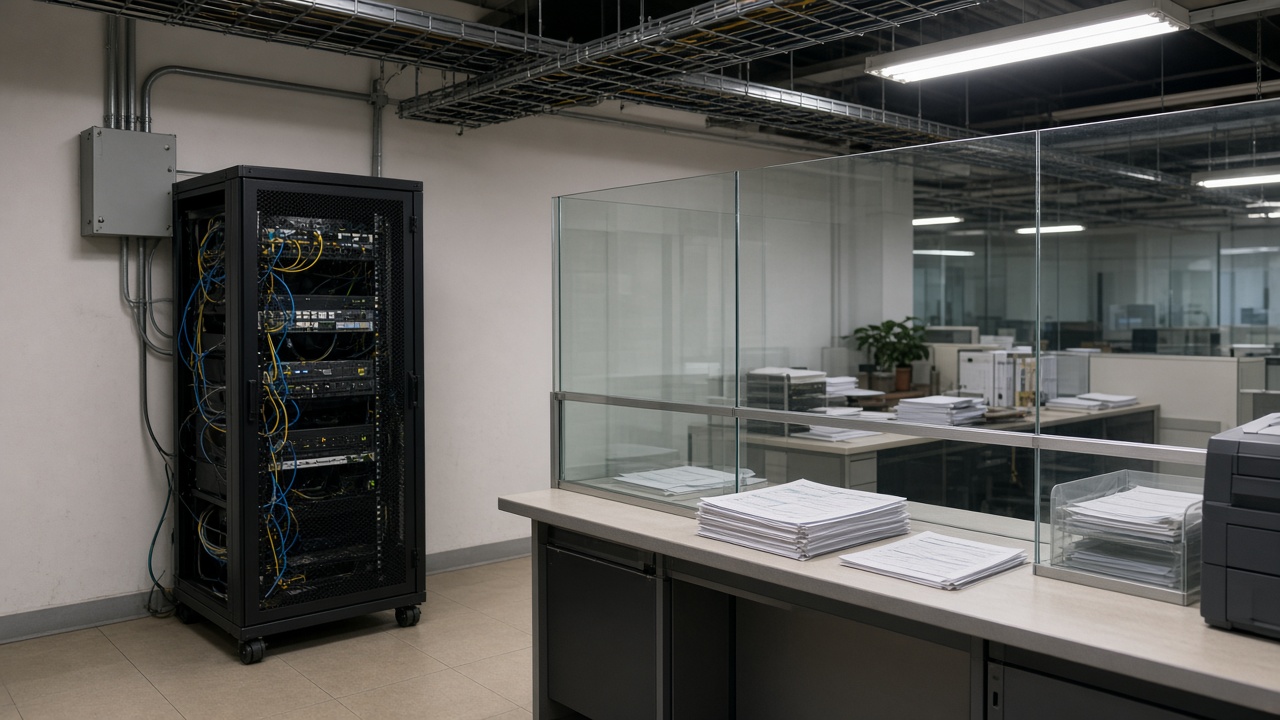
NEC began shipping a compact inference appliance preloaded with Llama-compatible language models to Japanese municipalities on Friday, packaging hardware and air-gapped updates for help desks that cannot route citizen data through public clouds.
The box, branded SX-AI Municipal Edge, targets residency certificates and tax payment questions. Pilots in Naha and Sapporo cut average call-backs on incomplete forms by 12 percent during July and August, according to NEC field data shared with reporters.
Why on-premise still wins in city halls
Japan’s Digital Agency published procurement templates in September that allow generative tools only when logs stay inside government networks. Cloud APIs remain popular for national ministries, but ward offices handling My Number copies face stricter storage rules.
NEC’s appliance runs quantized models tuned for Japanese administrative phrasing, with a manual override that forces human review on any answer citing fees or deadlines.
Hardware and pricing
Each unit ships with two GPU modules and redundant power supplies sized for tatami-mat server closets common in older city halls. NEC quoted a five-year lease near 2.8 million yen per site, including quarterly model refreshes delivered via encrypted USB packs rather than over-the-internet downloads.
Rival Fujitsu and NTT Data offer similar boxes; NEC emphasized compatibility with open-weight Llama derivatives to avoid vendor lock-in on tokenizer updates.
Accuracy guardrails
Officials in Naha said the system must cite ordinance numbers when advising on beach-area business permits. NEC added a retrieval layer that pulls PDF excerpts from each city’s legal database before the model drafts spoken scripts clerks can read aloud.
When confidence scores fall below an internal threshold, the UI flashes amber and routes the query to a senior clerk. NEC declined to publish false-answer rates, but said no automated fines or payments are enabled.
Rollout calendar
Orders opened Friday for prefectural capitals and cities above 300,000 residents, with smaller towns eligible from January. NEC expects 40 installations by March, focusing on southern islands with heavy tourism paperwork and northern cities facing labor shortages.
Privacy reviews
Personal information protection commissions in Okinawa and Hokkaido signed off on log retention limits of 90 days for the pilot appliances. Citizens can request deletion of voice transcripts generated at counters when cases close.
NEC said it will open APIs so third-party accessibility tools can read clerk scripts aloud for visually impaired visitors without sending audio to external clouds.
Procurement and privacy
Municipal CIOs in Chiba and Saitama piloting the box said they keep citizen records on-premises while the model weights stay sealed inside NEC’s appliance. The vendor claims sub-two-second replies for FAQ-style queries in Japanese, fast enough for call-centre hold messages but not for complex welfare eligibility decisions.
Personal Information Protection Commission staff joined a demo last month and asked how audit logs redact national ID numbers when clerks paste case notes into prompts. NEC said exports are disabled by default and firmware updates require physical keys held by municipal security officers.
Rival Fujitsu and NTT Data pitch cloud-hosted assistants with per-seat pricing; NEC’s capex bundle targets towns that lack dedicated AI engineers but still face Diet pressure to digitize help desks before the next local election cycle.
Local assembly members asked whether inference boxes would be included in standard IT outsourcing tenders starting April; NEC said pricing would be published after three more pilots conclude in Hokkaido.
Training clerks
Pilot towns ran two-hour workshops showing call-centre staff how to edit prompts without pasting entire case files. NEC trainers emphasized redacting addresses and my-number fields before submitting tickets, mirroring guidance the Personal Information Protection Commission issued for generative tools in April.