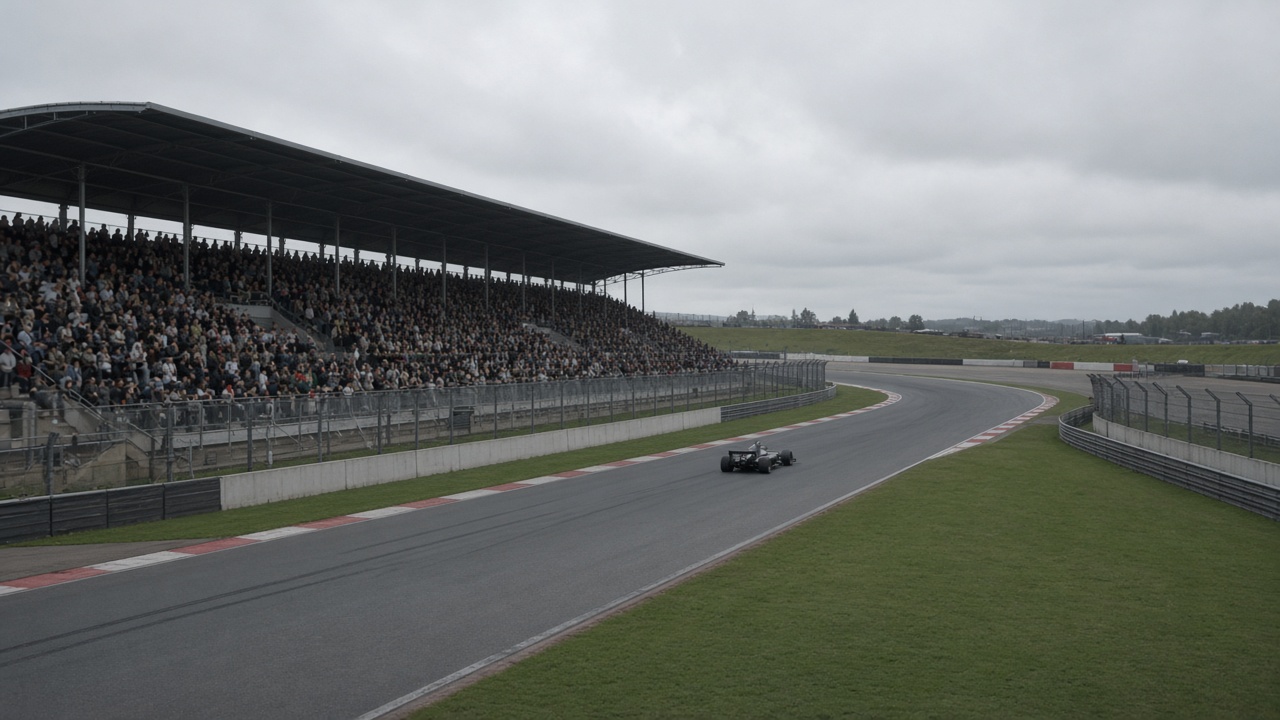
Formula One practice began at Suzuka Circuit on Friday under overcast skies, with organizers reporting the main grandstand at 94 percent capacity as local fans arrived early for the Japanese Grand Prix weekend.
First practice times were led by a Red Bull driver on soft compounds, but Japanese audiences focused on Honda-powered cars running tribute liveries to mark the manufacturer’s final home race before its works team rebranding next season.
Traffic and typhoon watches
Mie Prefecture police closed several farm roads near the circuit after Silver Week campers overstayed parking limits. A distant typhoon track in the Pacific prompted contingency plans to move qualifying if heavy rain hits Saturday afternoon.
Shinkansen riders from Nagoya faced 20-minute delays after a deer strike on the Tokaido line, pushing some spectators onto shuttle buses from Yokkaichi.
Economic spillover
Hotels in Shiroko and Kuwana reported full occupancy through Sunday night, with average room rates 32 percent above last October according to a local inn association survey. Convenience stores near the circuit stocked extra bottled water and ear protection after last year’s noise complaints.
Suzuka city officials estimated 220,000 unique visitors for the three-day event, similar to pre-pandemic peaks.
On-track storylines
Teams brought aerodynamic upgrade packages tuned for high-speed esses, but practice red flags interrupted running when debris from a kerb strike damaged a front wing. FIA stewards said they would review track limits at the final chicane after simulator data showed frequent violations.
Japanese driver marketability drew sponsor activations in nearby malls, though none of the current grid holders hold a full-time seat.
Sunday outlook
Forecasts show a 60 percent chance of light rain during the race start at 14:00 local time. Organizers will text ticket holders if schedules shift, using the same alert system deployed during the 2024 typhoon postponement.
Sustainability steps
Suzuka organizers expanded bicycle parking after last year’s bus queues, adding 2,000 guarded spaces near the east gate. Compostable meal trays will be used in hospitality suites for the first time, part of a Mie Prefecture zero-waste trial.
Local broadcasters secured radio spectrum for in-field reporters after cellular networks jammed during 2023 qualifying, when fan uploads saturated towers.
Fan clubs from Nagoya and Osaka chartered trains with reserved seating for Sunday, easing congestion on the Ise Expressway. Circuit staff confiscated two drones near the track on Friday morning and reminded spectators that aerial devices are banned throughout the weekend.
Weekend schedule
Second practice on Saturday will set grid positions for Sunday’s race, with FIA medical cars rehearsing extraction routes through the figure-eight section. Local police doubled roadside alcohol tests on Route 23 after last year’s post-qualifying incidents in parking lots.
Honda’s hospitality suites invited alumni drivers for fan meetups, bridging the manufacturer’s impending works-team transition and its engine supply deals that keep three grid slots on Japanese power units. TV broadcasters secured a secondary feed for onboard cameras after rights holders demanded more angles through the esses, a fan favorite since the circuit returned to the calendar.
Merchandise booths along the main concourse sold through commemorative caps by mid-afternoon, while circuit operators kept extra Wi-Fi repeaters online after cashless terminals jammed in 2025.
Transport ministry coordination
The Land, Infrastructure, Transport and Tourism Ministry opened a joint operations room with circuit officials to reroute buses if qualifying is delayed. Rental-car agencies at Nagoya Airport reported sell-outs through Monday as fans chased last-minute seats after Shinkansen delays.