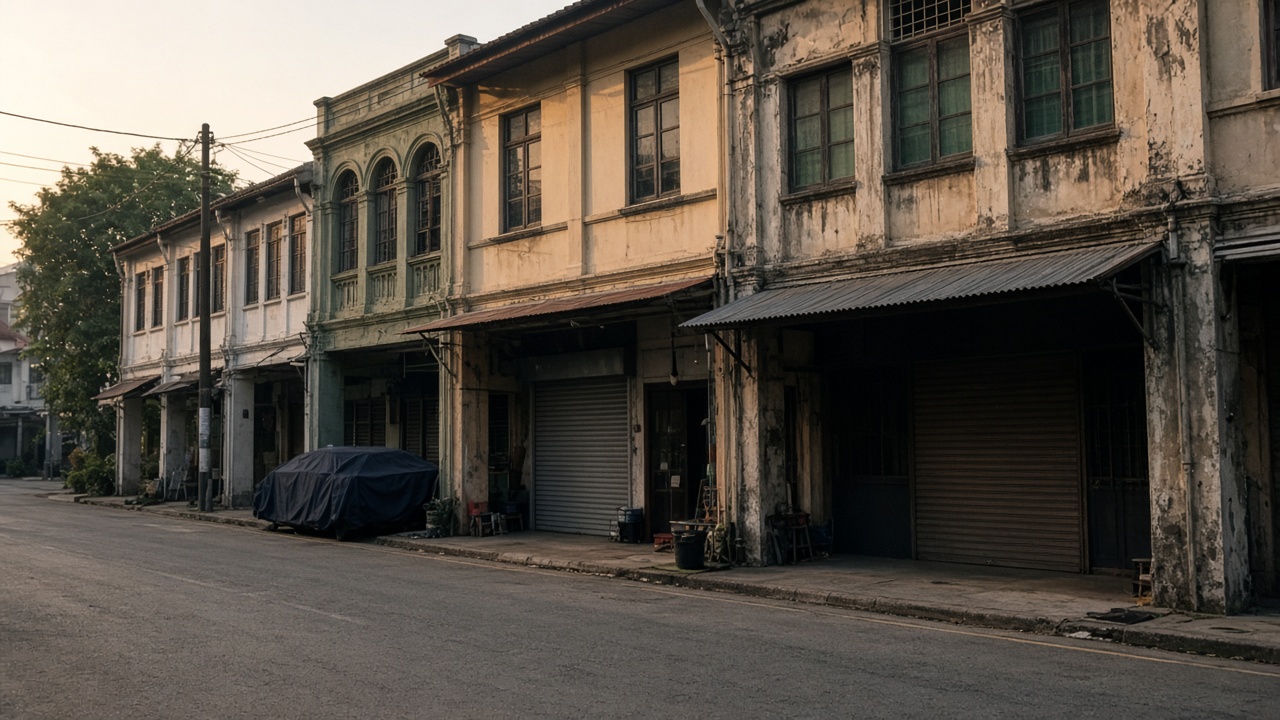
Singapore authorities seized the proceeds from the sale of a Bukit Merah commercial building connected to Cambodia's Prince Group, The Straits Times reported on Sunday, as police investigations into entities and individuals linked to chairman Chen Zhi remain active.
The 32,000-square-foot property at 2 Jalan Kilang Barat changed hands for S$39 million in a deal completed in September, according to ST's account of the transaction. Police told the newspaper they had seized the sale proceeds as part of ongoing probes and declined further comment citing operational secrecy.
How the building entered the case
The U.S. Treasury Department's October 2025 sanctions list identified 2 Jalan Kilang Barat as the registered address of 11 companies tied to Chen, who leads Prince Group, a conglomerate that has faced fraud and forced-labour allegations from Western regulators. Singapore police arrested businessman Wang Yiting, also known as Tan, in November 2025 on suspicion of money laundering connected to Prince-linked flows.
ST reported that a caveat once blocked the sale after Tan's arrest, then was lifted to allow Jackspeed Holdings, an automotive group subsidiary, to complete the purchase. The buyer could not be reached for comment in ST's reporting. The timeline shows how enforcement action can lag behind fast-moving property deals even when a sanctioned address is publicly listed.
What seizure means for buyers
Holding proceeds—not necessarily reversing title—lets investigators trace where money moved after completion. Commercial lawyers in Singapore said seized funds typically sit in court-controlled accounts until prosecutors decide whether to pursue forfeiture or release cash to parties with clean-title arguments. Jackspeed's exposure will depend on whether it conducted enhanced due diligence once the caveat lifted.
For landlords in Bukit Merah's light-industrial belt, the case is a warning that politically exposed ownership chains can taint an otherwise ordinary strata sale. Real-estate agents told ST that caveats linked to criminal probes can scare off bidders, yet this block still found a buyer at a nine-figure price before police moved on the proceeds.
Regional enforcement picture
Singapore has pitched itself as a hub willing to act on cross-border scam proceeds while keeping markets open. Parallel U.S. and Cambodian scrutiny of Prince Group puts pressure on Singapore to show it can unwind assets without freezing unrelated tenants. Chen has previously denied wrongdoing through intermediaries; Prince Group has contested some U.S. allegations in public statements.
Police told ST that investigations into Chen-linked entities continue, without naming targets. The Monetary Authority of Singapore has separately urged banks to tighten monitoring of Southeast Asian gaming and crypto-adjacent flows that sometimes intersect with property purchases.
What happens next
Prosecutors must decide whether to file forfeiture applications or offer reduced charges in exchange for cooperation. Tan's money-laundering case remains on court calendars, and any link between the Bukit Merah proceeds and his charges has not been detailed publicly.
For Singapore's property market, the immediate effect is reputational: a high-profile seizure confirms that completed sales can still face clawbacks when law enforcement catches up. For investigators, the question is whether S$39 million is a endpoint or the first visible slice of a wider Prince-linked asset map in the city-state.