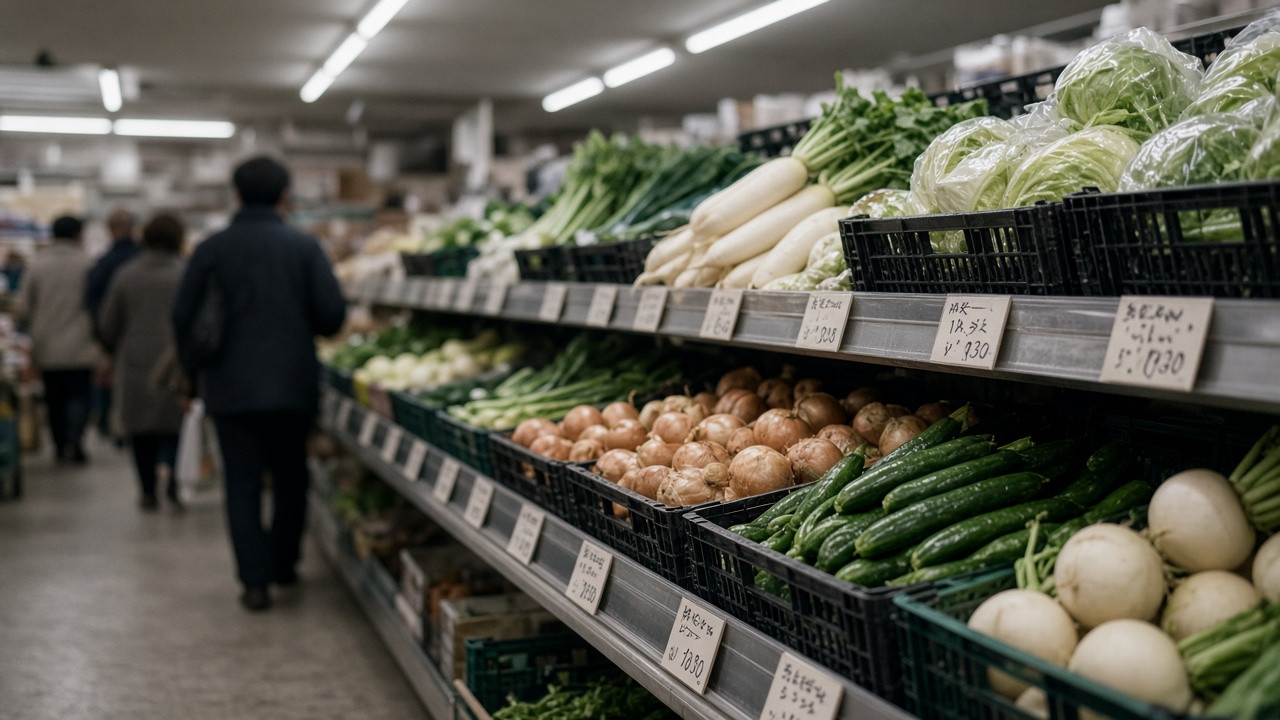
AEON and Seven & i Holdings began dry runs on Monday for how grocery shelves and self-checkout screens would display prices if parliament approves Prime Minister Sanae Takaichi’s plan to cut the consumption tax on food and beverages from 8 percent to 1 percent for two years starting in April 2027.
The extraordinary Diet session that opened the same morning is scheduled to run 69 days through December 12, and the food-tax legislation sits at the top of a crowded stack that also includes lower-house seat reform and intelligence upgrades. Retailers cannot wait for the final gavel: promotional calendars, supplier contracts, and point-of-sale software all need lead time measured in quarters, not weeks.
Why shelf labels matter now
Japan’s reduced rate already applies only to take-home food, while restaurant meals and alcohol stay at the standard 10 percent rate. That split means a single shopping basket can trigger multiple tax lines at the register. Chains that operate both supermarkets and convenience stores must test whether the same SKU logic travels across formats without confusing part-time staff during peak evening traffic.
Executives at AEON told suppliers in internal briefings reviewed by industry groups that they want parallel price files—one reflecting current law and one staged for April 2027—so stores can flip overnight if the bill passes on schedule. Seven & i is running similar tests at a handful of Ito-Yokado outlets in the Kanto region, according to trade press summaries of vendor calls held last week.
Fiscal fog for suppliers
The government has described the tax relief as temporary consumer support, but it has not fully spelled out how it will cover the roughly ¥5 trillion in annual revenue the finance ministry associates with the measure. Opposition parties argue the package is underfunded, while coalition partner Nippon Ishin no Kai is simultaneously pushing unrelated seat-reduction legislation that could slow floor time.
For food makers, the uncertainty shows up in contract clauses. Beverage companies that sell both alcoholic and non-alcoholic lines worry about misclassification during the transition, while frozen-meal producers want clarity on whether meal kits sold hot at convenience stores would keep the higher rate. Trading houses that import fruit and seafood are modeling what a weaker yen near 158 to the dollar does to shelf prices even if the tax rate falls.
What shoppers may see this autumn
None of the rehearsal labels are supposed to reach store floors before a law is enacted. Still, customer-service desks are updating scripts so clerks can explain why advertised “tax-included” prices have not changed yet. Loyalty programs that rebate points on fresh food may tweak accrual rules so members do not perceive a double discount once statutory rates drop.
Analysts at domestic brokerages note that supermarket margins are thin enough that a mis-timed price change could wipe out a week of profit at a regional banner. That is why the largest chains are sharing test data through industry associations rather than racing to be first in print ads.
Next checkpoints
Retailers will watch three dates: committee markup schedules in the House of Representatives, any upper-house delays that could push enactment past the fiscal year boundary, and the Cabinet’s supplemental budget outline, which may hint at how consumer relief is financed. Until then, the staged shelf tags stay in back offices—ready, but not yet public.