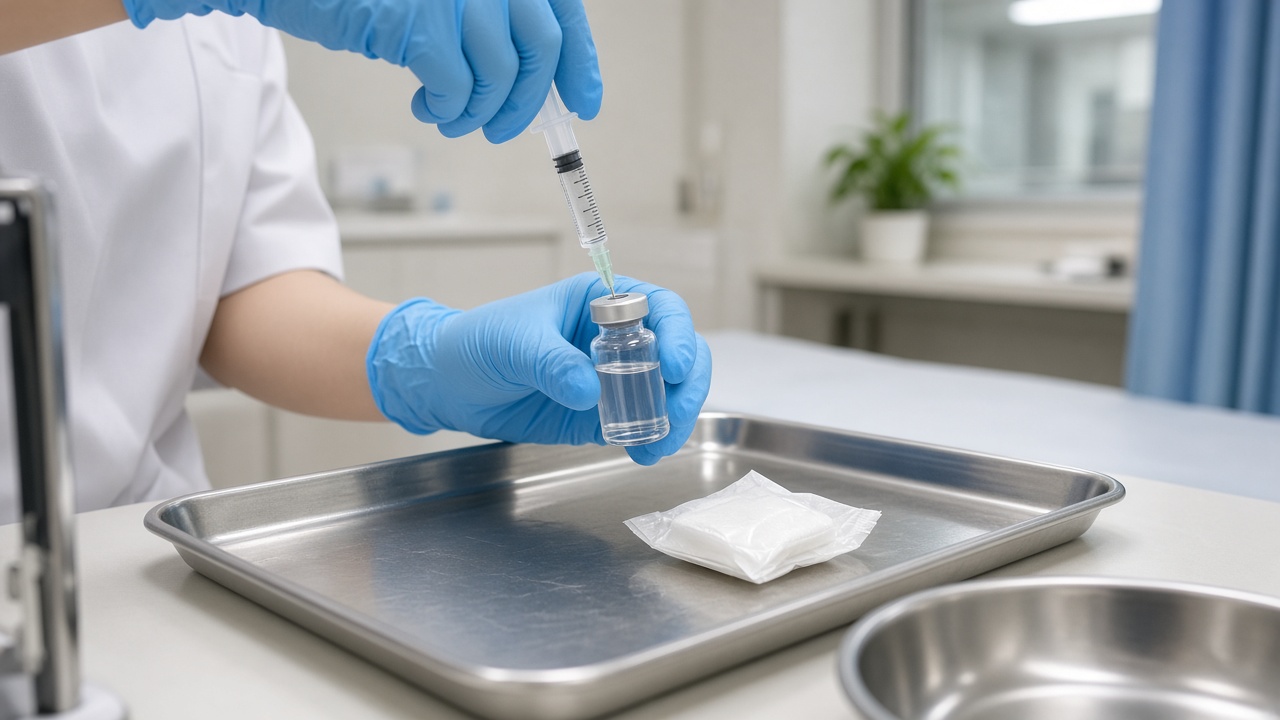
Municipal health offices across Japan started routine influenza vaccinations on schedule this week as manufacturers finish shipping roughly 51.9 million doses for the 2026–27 season, a supply level the health ministry says exceeds recent average use.
The trivalent formula adopted for domestic shots includes a B-strain isolated in Tokyo—B/Tokyo/EIS13-175/2025—alongside updated H1N1 and H3N2 components recommended by the World Health Organization. All three strains changed from the previous season, so prior-year immunity offers limited cross-protection.
Supply versus special products
By late September about 31 million doses had already reached wholesalers, with the full quota expected by late October, according to industry association notices based on ministry forecasts. That timeline lets clinics book school-age clinics before winter travel peaks.
High-dose vaccine Efluelda, approved for older adults, will not launch this season after manufacturing delays; a planned move to include seniors in routine programs is postponed. Clinics will rely on standard inactivated shots and the nasal FluMist option for eligible children and teens.
Who should go early
The Infectious Diseases Society of Japan urges early vaccination for pregnant women, elderly residents, and people with chronic lung or heart conditions. Tokyo wards that experimented with September start dates reported shorter lines than last year because supply arrived earlier.
COVID-19 booster campaigns run on a parallel track with about 7 million doses slated for the season; pharmacists are trained to administer both shots in opposite arms when patients request combination visits.
Local logistics
Residents should check municipal websites for voucher requirements—some cities still mail paper coupons while others use My Number-linked portals. Missing the October window does not forfeit eligibility, but epidemiologists note that southern prefectures often see activity rise by year-end holidays.