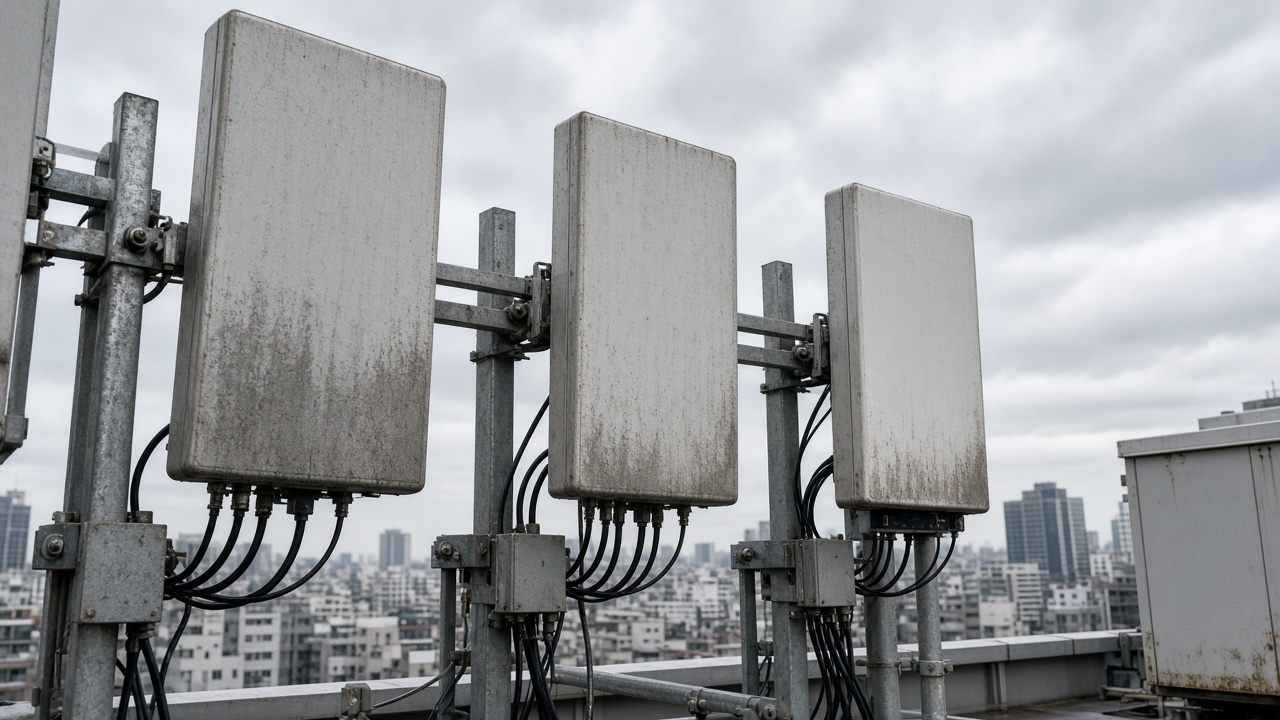
Rakuten Mobile refreshed its domestic roaming footprint with KDDI infrastructure this autumn, a move the fourth carrier pitched to subscribers upgrading to 5G-compatible handsets before winter sales events.
Japan’s mobile market remains concentrated among NTT Docomo, KDDI, and SoftBank Corp., but Rakuten has kept pressure on pricing by routing traffic through partner networks where its own base stations are still sparse in rural corridors. The updated bundle clarifies which prefectures lean on KDDI radios during peak commute hours, reducing dropped-call complaints that surfaced in user forums after last spring’s travel season.
Handset cycle meets network economics
Electronics retailers from Bic Camera to Yamada Denki begin advertising installment plans in October, tied to Apple and Samsung flagship launches. Carriers compete on total monthly cost, not headline device prices, so roaming transparency becomes part of the sales script when shoppers compare Rakuten’s unlimited-lite plans with incumbent family discounts.
Industry data compiled by the telecommunications ministry show 5G subscriptions crossing two-thirds of all mobile lines in urban wards, but penetration in mountainous municipalities lags by double digits. Rakuten’s partnership model is an admission that capital spending alone cannot close that gap before the fiscal year ends in March.
What changes for users
Existing subscribers receive the routing update through a carrier settings push; new customers see the KDDI backup noted in contract summaries filed with the ministry. Enterprise accounts with bring-your-own-device policies should verify whether internal security tools treat partner-network hops differently for compliance logging.
Analysts expect SoftBank and Docomo to respond with limited-time data bonuses rather than price cuts, preserving industry average revenue per user even as handset subsidies shrink.