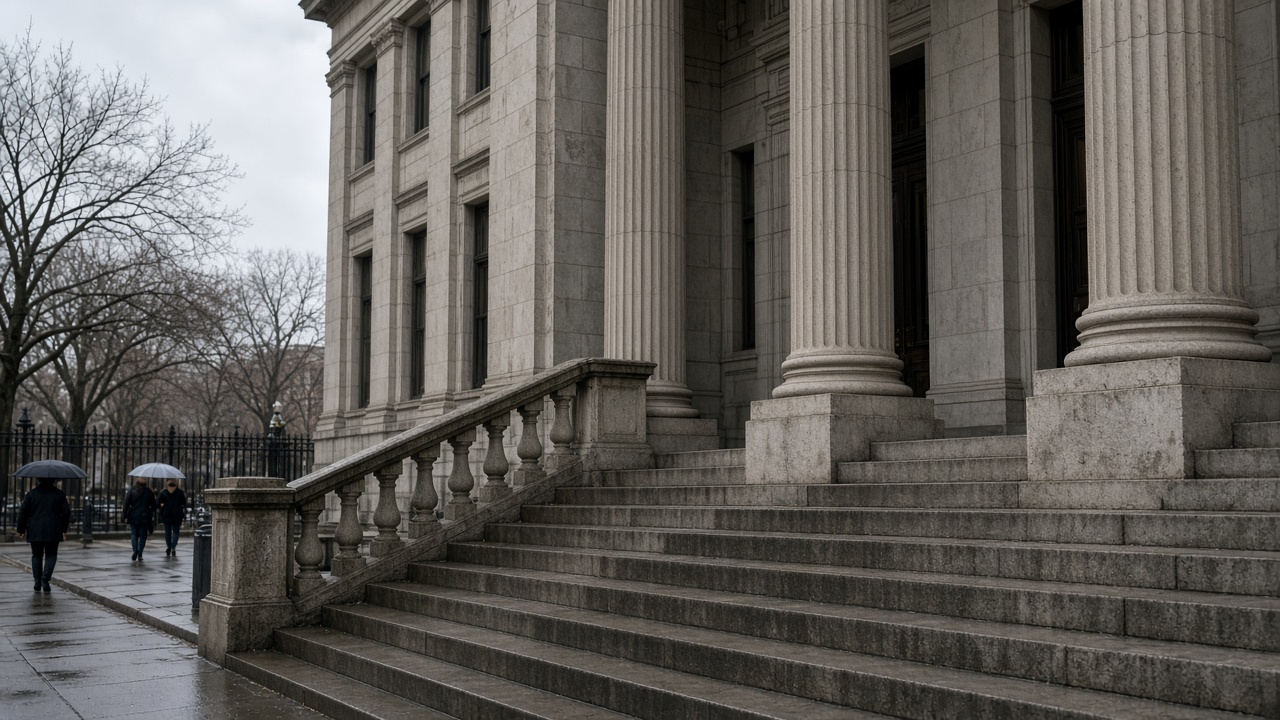
The National Assembly's Legislation and Judiciary Committee begins the 2026 national audit Tuesday by summoning Court Administration officials and Supreme Court registry leaders, even after Chief Justice Jo Hee-dae declined to take a witness seat personally, according to committee schedules and Herald Business's audit preview InfoHandle reviewed.
Why Jo's absence matters
Opposition lawmakers wanted Jo to explain his refusal to re-nominate certain Supreme Court justices—a constitutional standoff that spilled into summer press briefings. Court spokespeople said institutional custom sends administrators instead of the chief justice for routine audits. Democrats argue this audit is not routine because prosecution-reform follow-ups and geared-ETF investor suits intersect with judicial dockets.
Tuesday's witness stack
Morning testimony targets court budgeting, digital case filing backlogs, and security upgrades after phishing attempts against litigants. Afternoon blocks add Ministry of Justice civil-service appointments. A separate Corruption Investigation Office for High-ranking Officials session waits until Oct. 13, but lawmakers may preview questions about referral timelines Tuesday.
Parallel political fights
People Power Party researchers linked Jo's absence to ruling-party unease over how courts might rule on housing-tax challenges. Democratic staff accused the opposition of trying to drag the judiciary into street rallies planned outside the Assembly. Hana Im's desk tracks the narrower procedural fight: whether administrators can bind the court on re-nomination policy without the chief present.
What changes for citizens
Most litigants will not see immediate effects. If auditors force publication of case-backlog metrics by district, small-business contract disputes could move faster—that is the practical stake beneath constitutional rhetoric.
Limits of Tuesday's session
Committees cannot compel Jo without escalating to an impeachment or contempt debate; that vote is not scheduled. Expect hours of on-record sparring, not a same-day resolution.
Witness logistics
Committee staff reserved three overflow rooms for reporters after summer hearings ran past midnight; Tuesday's gavel is set for 10 a.m. with a hard stop at 7 p.m. unless bipartisan staff agree to extend testimony on digital filing budgets.
Public docket access
Court administrators plan to demo mobile filing updates that reduce in-person visits for probate documents—a quality-of-life change unrelated to Jo's attendance but likely to consume questioning time.
Why the chief justice stayed away
Court Administration said Chief Justice Cho Hee-dae would skip Tuesday's opening session to avoid politicizing an inspection that opposition lawmakers framed as a referendum on judicial reform. Registry officials will still answer questions on case backlogs, digital filing outages, and senior judge appointment timetables. Democratic Party members circulated draft articles on impeachment procedure, but committee leadership kept those off the published agenda.
Docket and staffing numbers
Briefers prepared slides showing civil case clearance times lengthening in Seoul Central District Court after a wave of real-estate disputes. They also plan to discuss interpreter shortages in immigration benches—a sore point after Chuseok travel surges. People Power Party staff want transparency on lunch-meeting logs between judges and politicians; Court Administration called those requests inappropriate interference.
What Tuesday decides
The hearing sets the tone for two weeks of judiciary audit, not final legislation. Lawmakers may demand written follow-ups on why certain anti-graft rulings were delayed. For Seoul readers, the story is whether courts can explain administrative delays without turning the session into a constitutional crisis on day one.