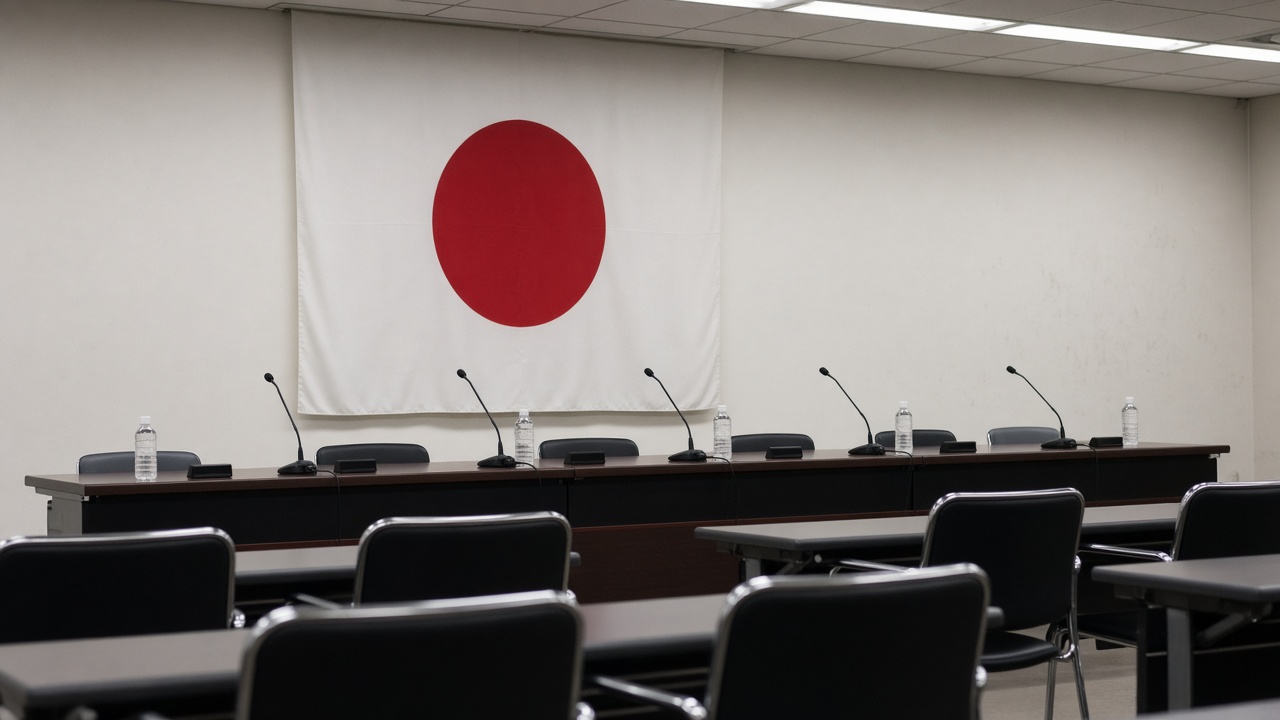
Finance Minister Satsuki Katayama and Bank of Japan Governor Kazuo Ueda will hold joint remarks at 3:00 p.m. Tuesday in Tokyo, a pairing bond desks have circled since Prime Minister Sanae Takaichi used her Monday policy speech to promise food-tax relief without leaning on deficit-covering bonds.
Why the joint appearance matters now
Takaichi told the Diet that the government would secure funding for consumption-tax cuts and income-linked payments while keeping annual JGB issuance under control. That line landed hours after the 10-year Japanese government bond yield pushed toward levels last seen before the summer, and after the Nikkei 225 closed up 2.4 percent on softer U.S. payroll data. Katayama and Ueda now share a microphone at the moment when those two markets—equities cheering easier Fed odds and bonds asking who pays for stimulus—are pulling in opposite directions.
What traders will listen for
Currency strategists say verbal support for the yen has intensified while USD/JPY hovers near 158, yet actual intervention has been absent since late August. Katayama, who also oversees international financial diplomacy, is expected to repeat that Tokyo will respond to disorderly moves. Ueda, meanwhile, must reconcile stronger Tokyo-area inflation prints with a September policy summary that scaled back bets on an October rate hike. Any hint that the BOJ could accelerate tightening if prices overshoot would interact directly with Takaichi’s vow to watch debt-servicing costs.
Primary dealers reported steady demand at Monday’s auctions, but the super-long end continued to price fiscal risk. Life insurers and pension funds that had shortened duration in August are still demanding clarity on whether the extraordinary Diet session will produce a concrete food-tax bill or only framework language. Katayama’s ministry typically avoids pre-empting the BOJ on rates; a joint briefing nonetheless signals that both institutions recognize the communication gap markets have priced in.
Diet politics in the background
The 222nd extraordinary Diet session opened Monday with party representatives’ questions set for Wednesday through Friday. Opposition parties want monthly disclosure of how any VAT rebate would reach households. Ruling coalition lawmakers, including Japan Innovation Party allies pushing lower-house seat cuts, argue that fiscal discipline and popular relief can move in parallel. Bond investors are less convinced until they see numbers attached to the speech.
Reading Takaichi’s fiscal promise against bond supply
Nikkei and Nikkei Asia coverage of Prime Minister Takaichi’s Monday policy speech highlighted pledges to fund consumption-tax cuts and income-linked payments without relying on deficit-covering bonds, a line bond desks tested as 10-year Japanese government bond yields pushed toward summer highs. The Nikkei 225’s 2.4 percent Monday rally on softer U.S. payroll data showed equities cheering easier Federal Reserve odds while the super-long JGB end continued to price fiscal risk. Primary dealers reported steady auction demand, yet life insurers and pension funds that shortened duration in August still want clarity on whether the extraordinary session will produce concrete food-tax legislation or framework language only. Nippon.com’s briefing on the 222nd session lists 69 scheduled sitting days through Dec. 12, compressing the window for revenue estimates Kihara declined to provide Tuesday.
Currency rhetoric at 158 yen
Finance Minister Katayama, who also leads international financial diplomacy, has intensified verbal warnings on disorderly yen moves while USD/JPY hovers near 158, a level strategists link to wide U.S.–Japan yield spreads even after the Bank of Japan’s September policy summary cooled October hike bets. Actual intervention has been absent since late August, leaving traders to judge Tuesday’s 3:00 p.m. joint remarks for alignment between fiscal expansion, gradual BOJ normalization, and yen policy that is more than adjectives. Governor Ueda must reconcile stronger Tokyo-area inflation prints with a policy board that scaled back tightening expectations, any hawkish hint interacting directly with Takaichi’s vow to watch debt-servicing costs. Katayama’s ministry traditionally avoids pre-empting the BOJ on rates, yet the shared microphone signals both institutions recognize the communication gap markets have priced into JGB and equity curves alike.
Chief Cabinet Secretary Minoru Kihara told reporters that the cabinet would implement its agenda with “determination, challenge and action,” but offered no fresh estimate of the revenue hole from a food-tax reduction. Katayama and Ueda are unlikely to fill that gap Tuesday; their task is to keep the yield curve from repricing faster than the equity rally can absorb.