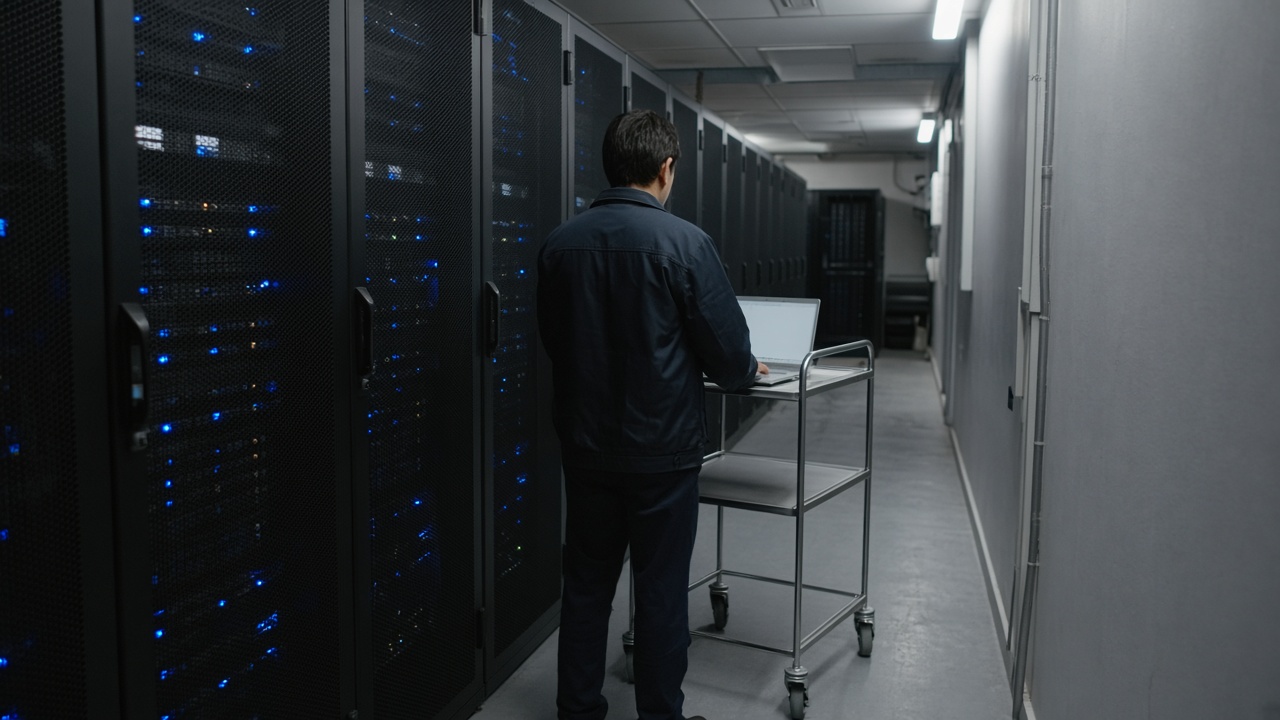
Naver Cloud policy staff finalized a national audit deck urging expansion of Korea's sovereign cloud regions as the Ministry of Science and ICT faces questions on how agencies buy generative AI services under January's AI Basic Act, according to briefing materials registered with the National Assembly science committee and MSIT procurement notices InfoHandle reviewed Monday.
What sovereign means in this brief
The company argues that ministries handling resident registration extracts and tax interfaces need physically segregated capacity with domestic key management—not merely contractual promises from hyperscalers hosted abroad. Naver Cloud already runs government-certified zones; the audit ask is budget to replicate zones outside the Seoul metro for disaster recovery without forcing agencies to accept U.S. legal-process exposure on unencrypted backups.
Procurement rules under scrutiny
MSIT's July enforcement decree added verification steps for public-sector AI purchases, including impact reviews for high-risk use cases. Opposition lawmakers want to know whether any agency shortcut those steps during Chuseok digital-service outages. Naver's slides promise audit trails on model updates, but committee staff also requested logs on subcontractor access—an angle that intersects with separate financial-sector breach hearings.
Public AI agents scheduled for December rollout depend on API gateways MSIT wants documented before launch.Competitive field
KT Cloud and Samsung SDS pitch parallel sovereign stacks. Naver's differentiation is search-adjacent data tooling, but auditors care about price caps and failover drills, not marketing adjectives. Junho Kang's desk watches whether science committee members link cloud spending to the 162 trillion won supplementary budget lines finance panels debate Tuesday.
What Naver is not asking
The brief does not seek monopoly status or exemptions from AI transparency duties. It does not dispute foreign hyperscaler presence in Korea—only argues that classified-adjacent workloads stay on domestic metal.
Tuesday's technology story is procurement law catching up to January's AI obligations, with cloud vendors competing to define what "sovereign" must mean when auditors open the API logs.
Disaster recovery drills
Naver's deck cites last summer's regional flooding when arguing for a Busan-adjacent zone that can take failover workloads if Seoul metro links fail. MSIT auditors asked for tabletop exercise dates; the company pledged to publish results after October drills conclude.
Vendor competition
KT Cloud and Samsung SDS pitch parallel sovereign stacks. Naver's differentiation is search-adjacent data tooling, but auditors care about price caps and failover drills, not marketing adjectives. Junho Kang's desk watches whether science committee members link cloud spending to supplementary budget lines finance panels debate Tuesday.