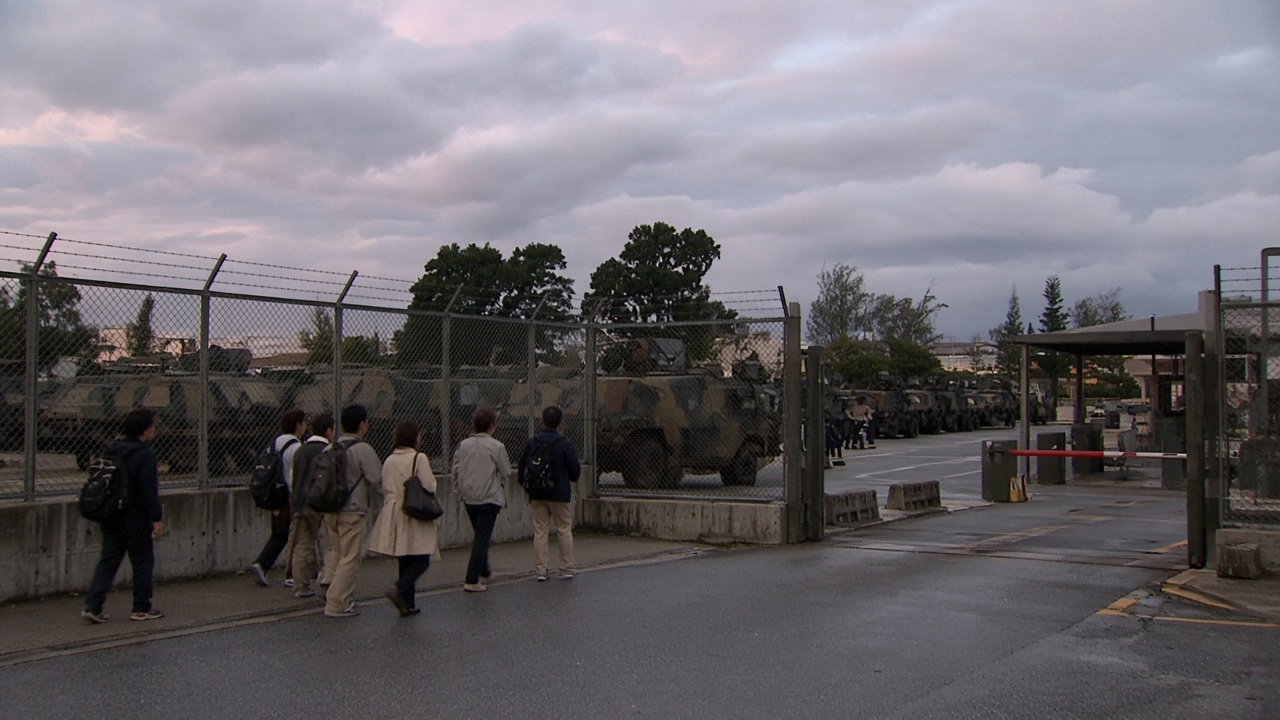
The U.S. military command covering Okinawa ordered a two-day halt to all operations starting Wednesday and a fresh 30-day curfew for service members after a Marine was arrested on suspicion of killing a local woman in Naha, the prefectural capital. Lt. Gen. Benjamin Watson, commander of the III Marine Expeditionary Force, said in a letter released late Tuesday that "incidents like this demand we pause for reflection" and that serving on Okinawa "comes with responsibility."
The stand-down and curfew represent the most visible U.S. disciplinary response since the arrest roiled an island where basing agreements, crime cases involving American personnel and periodic protests have long shaped politics. Okinawa hosts the bulk of U.S. troops in Japan, including Marine air units at Futenma and sprawling training areas that sit beside dense civilian neighborhoods.
What the command announced
Watson's message, distributed to units across the prefecture, said forces would take time to "think hard about discipline, standards and our alliance responsibilities." A two-day operational pause gives commanders room to conduct safety briefings, review liberty policies and meet local liaison officers without the noise of routine flight and training schedules.
The 30-day curfew that follows will restrict when Marines and other affected personnel may leave bases or off-base housing for non-essential activities. Exact hours and exceptions are typically spelled out in fragmentary orders that unit leaders read down to squads; past curfews after high-profile incidents have required earlier return times and banned alcohol purchases off base. The Japan Times reported the measures were tied directly to the homicide investigation in Naha, though U.S. officials have released few details about the victim, the timeline or the evidence that led investigators to the Marine now in custody.
Political pressure in Tokyo and Naha
Japan's defense minister told reporters Wednesday that he would press Washington for "effective" prevention steps, Kyodo News reported, reflecting a pattern in which the central government balances alliance management with anger from Okinawa's governor and assembly members when a serious crime is alleged. Prime Minister Sanae Takaichi's administration has faced opposition questions before about whether status-of-forces procedures move quickly enough to hand suspects to Japanese prosecutors when local victims are involved.
In Naha, community leaders and residents' groups often respond to such cases with candlelight vigils and calls for base relocations that Tokyo has struggled to deliver on schedule. The latest arrest lands less than a week after earlier reporting on the killing had already put U.S. forces under scrutiny; Wednesday's stand-down is an attempt to show commanders are not treating the episode as routine.
What the curfew changes on the ground
For Okinawan businesses that rely on off-base spending, even a month of tighter rules can mean measurable revenue loss, particularly around gates that normally see steady evening traffic. Taxi operators, restaurants and bar districts near Kin Town and Chatan have weathered similar cycles before, and chamber-of-commerce officials often ask for advance notice when curfews expand.
Alliance officials, meanwhile, will watch whether Japanese police and U.S. military investigators coordinate smoothly on evidence sharing. Under the bilateral status-of-forces framework, serious felonies involving service members typically trigger joint work once Japanese authorities request cooperation. Prosecutors in Okinawa have not publicly outlined charges beyond the arrest stage, but the case is likely to move on a timeline that keeps parliamentary and prefectural attention fixed on base conduct through October.
Watson's letter did not specify an end date beyond the curfew's 30-day window, leaving room for extensions if commanders judge discipline has not improved. For Okinawa residents, the immediate question is whether the pause and restrictions translate into fewer late-night incidents—or merely into another cycle of apology, curfew and gradual return to normal until the next headline.