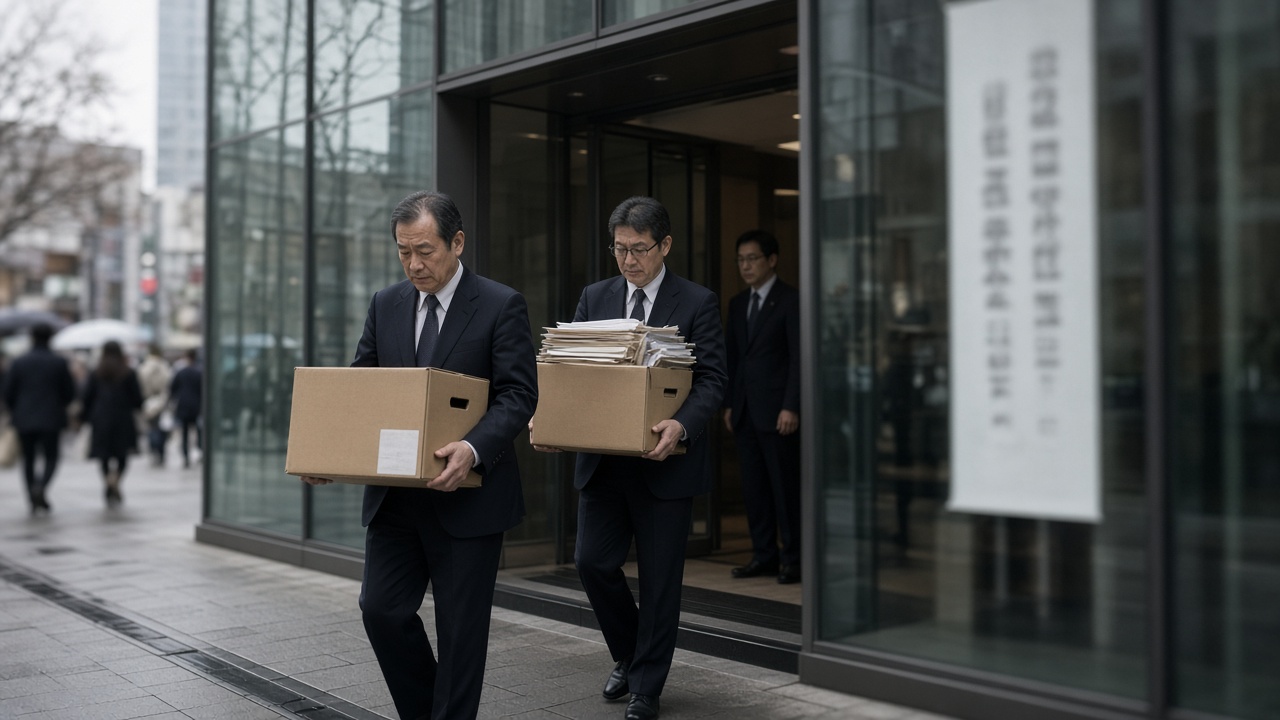
Japan’s Fair Trade Commission searched offices at Asahi Breweries, Kirin Brewery, Sapporo Breweries and Suntory on Wednesday as part of a probe into whether the companies colluded to raise wholesale beer prices in violation of the Antimonopoly Act, according to officials and company statements.
The on-site inspections mark the first time the JFTC has targeted Japan’s beer industry with a cartel probe at this scale, and Japanese media reported the commission is using offensive investigative powers that could lead to a referral to prosecutors. The four brewers account for roughly 90 percent of domestic beer sales, and investigators are examining whether they coordinated wholesale list prices on beer, happōshu and “third-category” brews over several years even as each company publicly blamed higher malt, aluminum and logistics costs for repeated shelf-price increases.
What regulators are testing
A person familiar with the investigation told international news agencies that the commission is scrutinizing whether the four brewers operated a wholesale pricing cartel, not merely parallel public announcements. All four companies confirmed they are cooperating with inspectors; Suntory said in a release that its alcohol beverages division is “undergoing an on-site inspection by the Fair Trade Commission” related to its alcohol beverages business.
Kirin, Asahi and Sapporo issued near-identical pledges to “fully cooperate” with authorities while declining to discuss specifics of the searches. None of the firms has been formally charged, and the JFTC can take months to decide whether to refer a case for administrative surcharges or criminal referral.
Household impact in Tokyo
Beer prices have climbed through Japan’s inflation cycle, with convenience-store chūhai competitors and happōshu substitutes gaining share among younger drinkers. A confirmed cartel would expose the majors to fines tied to affected sales and could force repricing agreements with distributors that serve supermarkets, izakaya chains and the stadium vendors that depend on keg contracts renewed each spring.
The raid follows a separate JFTC cartel investigation earlier this year into major ice cream manufacturers, signaling that regulators are willing to enter food-and-beverage categories where consumers have complained about synchronized price hikes. Trade ministry officials have not commented on Wednesday’s searches, leaving the commission as the public face of the action.
Market and legal timeline
Shares of the listed brewers moved lower in Tokyo morning trade as news of the raids crossed wire services, though analysts cautioned that antitrust cases often settle with corrective orders rather than existential penalties. Lawyers following competition law said prosecutors would need evidence of explicit agreements—emails, meeting minutes or distributor testimony—to sustain cartel findings beyond coincidental timing of price lists.
For now, taps stay open and shipments continue; the immediate effect is reputational and investigative. Distributors contacted by broadcasters said they had received no guidance to halt deliveries, and convenience-store operators reported normal restocking schedules on Wednesday afternoon.
If the JFTC uncovers coordinated wholesale tables, bars from Sapporo to Okinawa could see the legal fallout in rebate structures long before consumers notice a change at the register. Competition lawyers said the brewers may also face civil claims from franchise holders if coordinated pricing is proven to have squeezed margins on draft contracts.