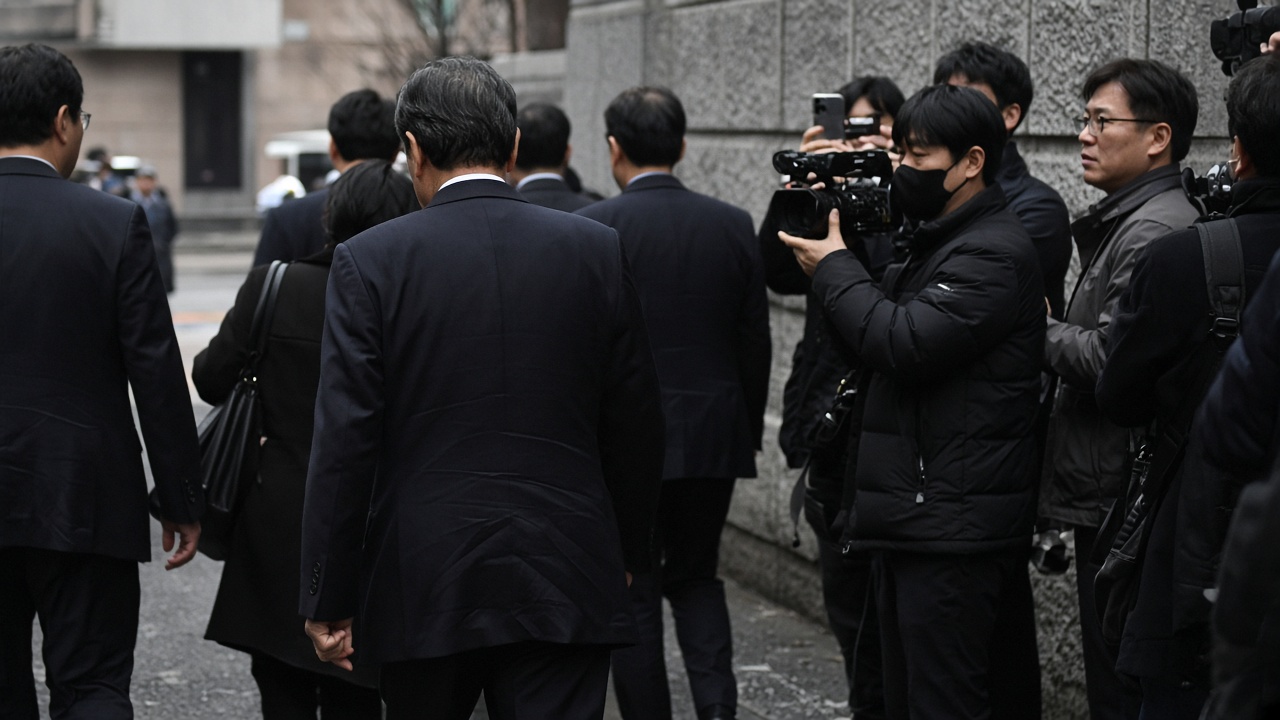
Former President Yoon Suk Yeol was acquitted on appeal Wednesday of illegally receiving free political polling from broker Myung Tae-kyun, as the Seoul High Court rejected prosecutors’ theory that Yoon and his wife had conspired to accept the surveys as undisclosed campaign benefits.
How the appeals court read the evidence
The high court overturned a lower-court conviction that had sentenced Yoon to two years in prison and Myung to 18 months for violating the Political Funds Act. Judges said Myung had provided results from 58 opinion polls worth about 270 million won ($202,000) on his own initiative to showcase his influence, not because Yoon or former first lady Kim Keon Hee had asked for them or promised favors in return.
Prosecutors had argued that an implicit agreement covered polls delivered between June 2021 and March 2022, during Yoon’s run for the presidency. The district court convicted Yoon over 14 surveys whose results Myung personally handed to the couple, while acquitting them on 44 others where the delivery chain was less direct.
Wednesday’s ruling aligned Yoon’s case with Kim’s separate appeals, in which courts also found insufficient proof of a prior request or bargain. The Korea Herald reported that Yoon attended the hearing as the panel announced the acquittal, marking another legal reprieve for the impeached leader as he faces heavier charges tied to his short-lived martial-law decree in December 2024.
Political stakes in a crowded docket
The polling case was always narrower than the insurrection and abuse-of-power indictments that dominate Yoon’s calendar, but it carried symbolic weight because it involved campaign finance rules and the shadowy market for private surveys in Korean elections. Opposition lawmakers had cited the guilty verdict as evidence that Yoon built his 2022 victory on undisclosed help; his lawyers countered that Myung was a self-promoting fixer who flooded multiple politicians with data.
With the acquittal, Yoon removes one criminal sentence from the stack, though he remains detained on the martial-law charges that led the National Assembly to impeach and remove him from office. The Constitutional Court upheld the impeachment in April 2025, ending his presidency and elevating Prime Minister Han Duck-soo briefly before a special election installed the current government.
Myung’s acquittal on the same appeal means prosecutors must decide whether to seek a Supreme Court review or accept that their theory of a secret polling pact lacks the documentary and testimonial support appellate judges require.
What the ruling does not settle
The high court did not address whether Myung’s business practices should be regulated more tightly, nor did it clear Yoon of other pending cases. Legal analysts noted that Korean appellate panels often demand explicit proof of quid pro quo in political-funds matters, making convictions difficult when intermediaries act without written contracts.
For voters still processing the December martial-law crisis, Wednesday’s decision is unlikely to reset public opinion. Civic groups that backed impeachment said accountability must come from the insurrection trial, while Yoon’s conservative supporters portrayed the acquittal as validation that prosecutors overreached.
The Justice Ministry had no immediate comment on whether it would appeal. Yoon’s defense team asked the court to lift remaining pretrial restrictions where legally possible, though detention orders in the martial-law case still apply.