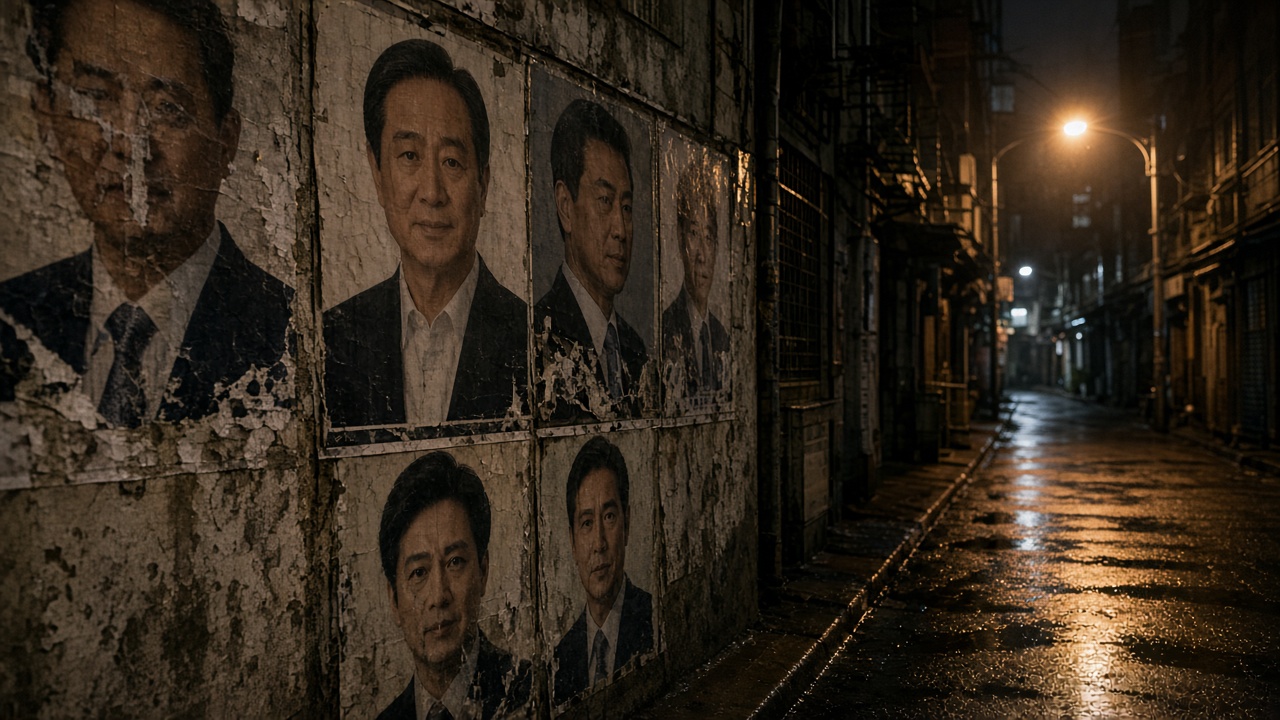
The Democratic Progressive Party’s “Yang Wave” around Taipei mayoral candidate Puma Shen has done what many Green strategists hoped: it convinced quiet supporters that the capital race is competitive again. What it has not done—what no meme cycle can do by itself—is replace the ward captains, volunteer shifts and absentee-ballot logistics that decide who shows up on Nov. 28.
What the wave actually changed
Reporting from Storm Media this week quotes Kuomintang officials acknowledging that Mayor Chiang Wan-an’s lead has narrowed enough to force a full blue-versus-green mobilization. That is a real shift from the low-key incumbency playbook Chiang ran through the summer. Online chatter coined “Yang Wave” as a pun on Shen’s given name Po-yang and the idea of ocean currents lifting boats.
Social momentum matters because Taipei’s electorate is large, young and wired. If Greens who sat out prior cycles believe a mayor’s race is winnable, volunteer sign-ups and small-dollar donations can spike quickly. The DPP originally nominated Shen to tie down Chiang, the KMT’s star campaigner; the party now risks disappointing activists if resources stay focused on New Taipei and Kaohsiung.
Where structure still beats virality
Taipei elections are won in night-market handshakes, MRT-exit leaflet teams and the painstaking work of matching voter rolls to turnout targets. Chiang’s team commands city hall machinery and years of neighborhood relationships. Shen’s wave must convert online energy into those mundane lists before early voting windows open.
History offers cautionary tales. The 2018 “Han Wave” carried Han Kuo-yu to the Kaohsiung mayor’s office, but it also set expectations that outran governance capacity. Taipei voters punished drama quickly in recall fights; they reward competence on trash collection, flood drains and bus lanes.
InfoHandle’s view
We should welcome competitive races: they force incumbents to defend records and challengers to publish specifics. Memes are a legitimate recruitment tool. They are not a substitute for publishing land-use plans, MRT expansion timelines or budgets for aging school buildings.
If the DPP redirects senior talent to Taipei, it may gain a morale victory while weakening defenses in southern cities where typhoon recovery politics remain raw. The KMT, for its part, should debate policy, not just paint the ballot as identity warfare—Taipei independents have rejected pure color politics before.
What voters should demand
Ask both camps for ward-level turnout plans, not follower counts. Request clear positions on housing affordability, semiconductor land competition and civil-defense drills that increasingly interrupt daily life. The Yang Wave can narrow polls; only organization and agendas will move results.
Nov. 28 is eight weeks away. The internet will move faster than the election calendar. Ballot structure—not meme momentum—will determine whether Shen’s surge becomes votes or just noise.