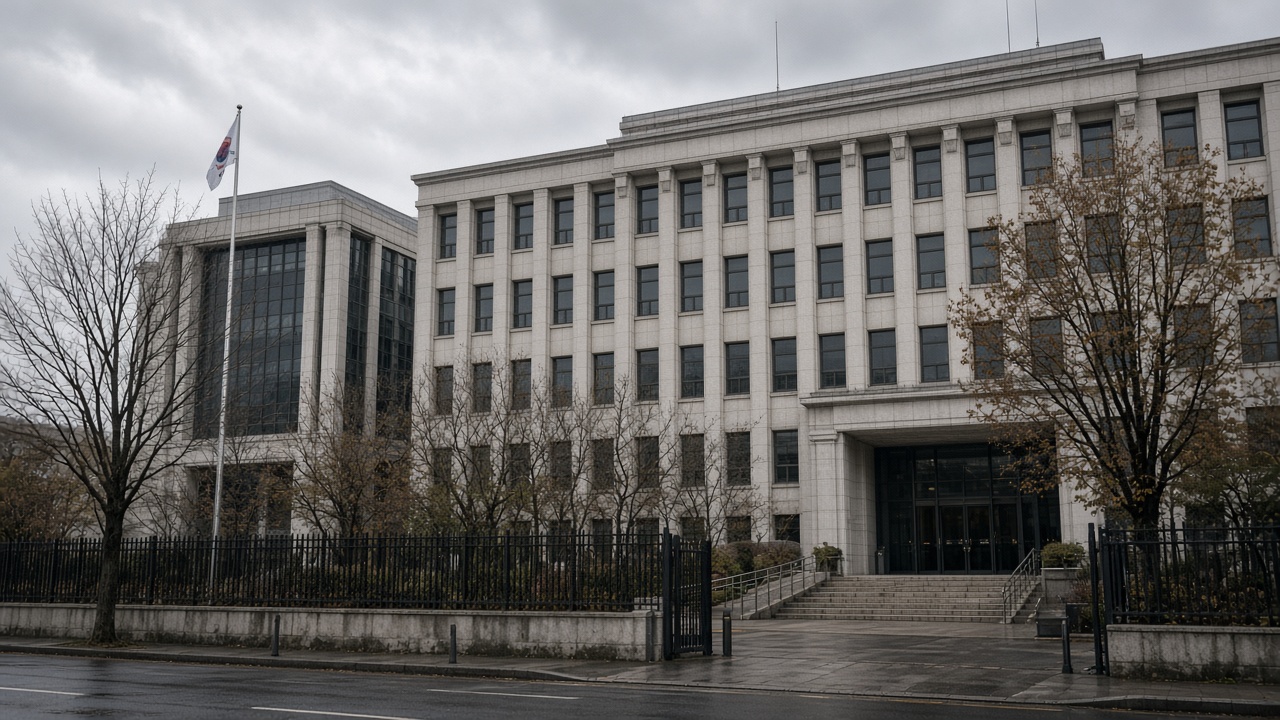
South Korea will recall its ambassador to Ukraine, the foreign ministry said Thursday, escalating a rare public dispute with Kyiv over how two captured North Korean soldiers were handled after their transfer to Seoul. The decision pulls Ambassador Park Hee-chang back to the capital as officials argue that Ukrainian President Volodymyr Zelenskyy breached understandings about keeping the case quiet to protect the detainees’ families in North Korea.
The ministry announced the recall in a short statement, saying Seoul still hoped to resolve “various issues” through diplomacy but would not elaborate on Park’s travel schedule. A senior official told Yonhap News Agency that the government was treating Zelenskyy’s comments at the United Nations General Assembly—and subsequent denials from his office—as a serious breach of trust.
How the soldiers reached South Korea
Ukrainian forces captured the two North Korean troops in January 2025 while they were fighting for Russia in the Kursk region, according to South Korean intelligence briefings described to lawmakers. After medical treatment and legal review in Ukraine, the pair arrived in South Korea in mid-September, where authorities have questioned them under tight security.
Seoul has said from the outset that publicity could endanger relatives still inside North Korea, a closed state that treats defection and capture as grave offenses. Foreign Minister Cho Hyun told reporters that Kyiv had initially requested confidentiality and that Seoul agreed on that basis.
What Zelenskyy said—and Kyiv’s response
Zelenskyy referenced the transfer during his UN address, framing it as evidence of North Korean involvement in Russia’s war. His office later denied that any secrecy pact existed, a statement South Korean diplomats called unacceptable. Cho summoned Andrii Vieshkin, Ukraine’s acting ambassador in Seoul, last week to demand a formal clarification and apology.
Cho said he received a message from Ukrainian Foreign Minister Andrii Sybiha that included an apology but that it fell short of what Seoul expected. Thursday’s recall is the first time South Korea has pulled an envoy from Kyiv since Russia’s full-scale invasion, though officials stressed they are not severing relations.
Parallel tension over fuel dispute
The recall landed on the same day Ukraine’s sanctions adviser Vladyslav Vlasiuk said in a public statement that 176,000 tonnes of South Korean fuel reached Russia in July and August via sanctioned tankers. South Korea’s foreign ministry said it had not confirmed the shipments and noted that some refined products are not on Seoul’s export-control list, while stressing that the government complies with sanctions.
President Lee Jae Myung’s office dismissed Vlasiuk’s statement on Wednesday, saying investigators had not verified the figures. The dual disputes complicate Lee’s effort to support Ukraine while managing security risks on the peninsula linked to Pyongyang’s partnership with Moscow.
Domestic politics and next steps
Opposition lawmakers demanded a parliamentary briefing on what Lee knew before the UN speech, while governing-party members warned against letting the row weaken trilateral coordination on North Korean weapons transfers. National Assembly committees have already scheduled financial-regulator hearings on unrelated bank cyberattacks, but the foreign-affairs panel is expected to add a closed session on the ambassador’s recall.
Park’s return will leave South Korea’s embassy in Kyiv led by chargé d’affaires staff until Seoul is satisfied with Ukrainian assurances. Cho said the government would take additional “firm measures” if Kyiv continues to dispute the confidentiality arrangement, without specifying what those steps might include.