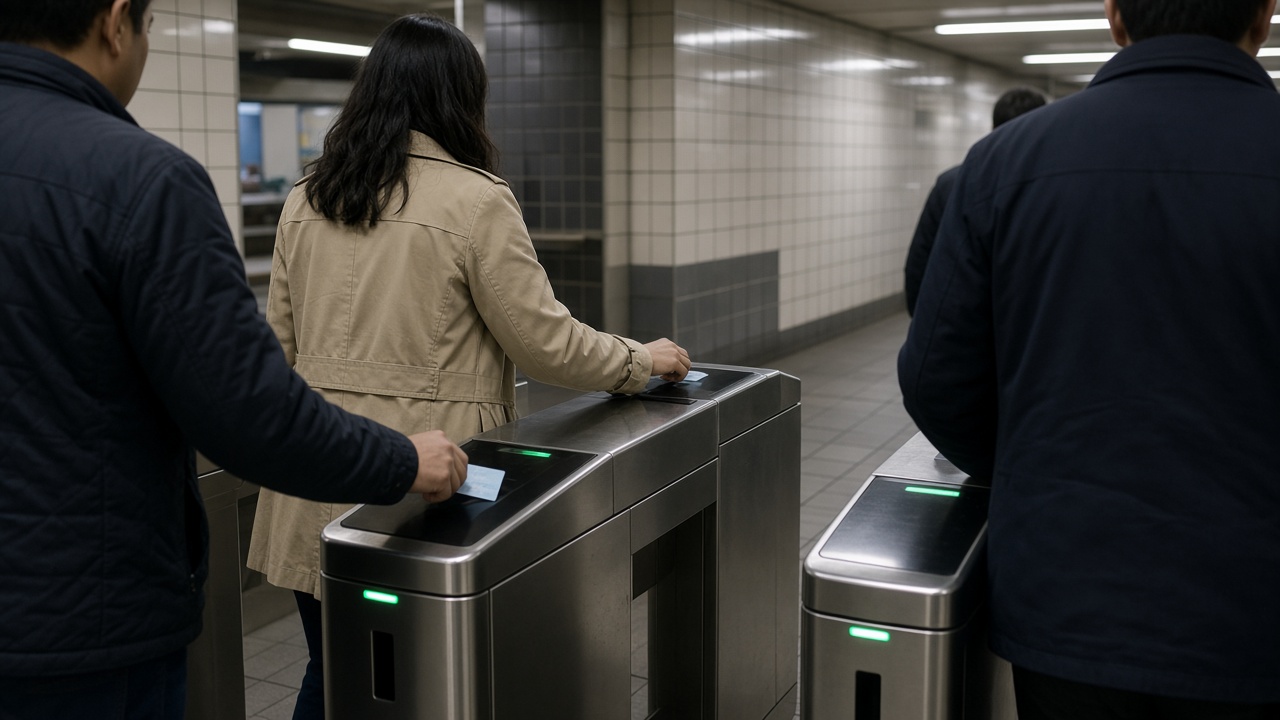
BC Card said Friday it will award transit-style mileage on Korail mobile top-ups made through Oct. 12, a promotion timed to the Hangul Day long weekend when millions of Koreans travel by train while the stock market is closed. The campaign underscores how card issuers chase won-only domestic spend when overseas travel charges slow and equity-linked perks lose their luster.
Under the offer, users who reload Korail’s “Maestro” stored-value balance via BC Card’s app receive one mileage point for every 1,000 won loaded, capped at 30,000 points per card per month. Points can be converted into Korail discount coupons for KTX and ITX services, but not into cash. The issuer said the perk stacks with existing autumn dining rebates only on days when no other BC transit promotion is active, a fine-print constraint meant to limit double-dipping.
Why rail top-ups matter for issuers
Credit-card interchange revenue in Korea faces periodic caps and merchant pushback, so issuers increasingly fund rewards from partner marketing budgets—rail included. Korail’s mobile wallet saw heavy use during Chuseok, and BC Card’s product team told InfoHandle Network it expects another spike as families take short trips to Busan and Gangneung while equity accounts sit idle. Unlike airline co-brand cards, rail-linked perks appeal to mass-market users who may not hold premium travel products.
Competitors are running parallel autumn campaigns: Hyundai Card’s recent Jeju-focused bundles emphasized flight points, while Shinhan Card leaned on contactless transit taps in metropolitan areas. BC’s Korail tie-in is narrower geographically but hits a user base that reloads frequently in 10,000-won increments.
Consumer math over a four-day market pause
For a household loading 200,000 won across two cards during the holiday, the BC offer returns 200 mileage points—enough for a modest Korail coupon if combined with prior balances. That is not life-changing money, but it beats the zero yield on brokerage cash waiting for Tuesday’s Kospi reopen. Financial bloggers on Naver cautioned that mileage expires after 24 months and that coupon inventory for peak Friday evening KTX trains can run out quickly.
Regulators have scrutinized transit-linked marketing before, focusing on whether users understand that coupons are non-refundable. BC Card’s disclosure sheet lists cancellation rules and notes that chargebacks on top-ups void mileage accrual. Consumer counselors said the bigger risk remains overspending on highway rest-stop franchises—not the rail promotion itself.
What to watch after Tuesday
If foreign investors return as net buyers when cash equities reopen, expect issuers to pivot back to brokerage and fund-linked rewards. Until then, Korail top-ups are a small but telling sign of where card marketing budgets flow when the trading floor goes quiet.
Issuer competition this autumn
BC Card’s Korail push sits in a crowded field. Lotte Card extended highway rest-area cashback through Oct. 15, while KB Kookmin emphasized mobile transit taps in the capital region. None of the campaigns change interchange economics; they shift marketing spend toward categories that still generate foot traffic when equity wealth effects fade. Card industry data show domestic travel spend per active card rose 6 percent year over year in September, even as overseas duty-free charges slipped on a stronger dollar against the won during parts of the month.
Merchant acquirers said Korail top-ups post as transit MCC codes, which can exclude them from luxury dining multipliers—a detail buried in FAQ pages but debated on consumer forums. BC’s mileage conversion sidesteps that friction by paying rewards in rail coupons rather than statement credits. For households balancing Chuseok debt paydowns with a long weekend trip, the effective discount is small but psychologically salient when brokerage apps are quiet.