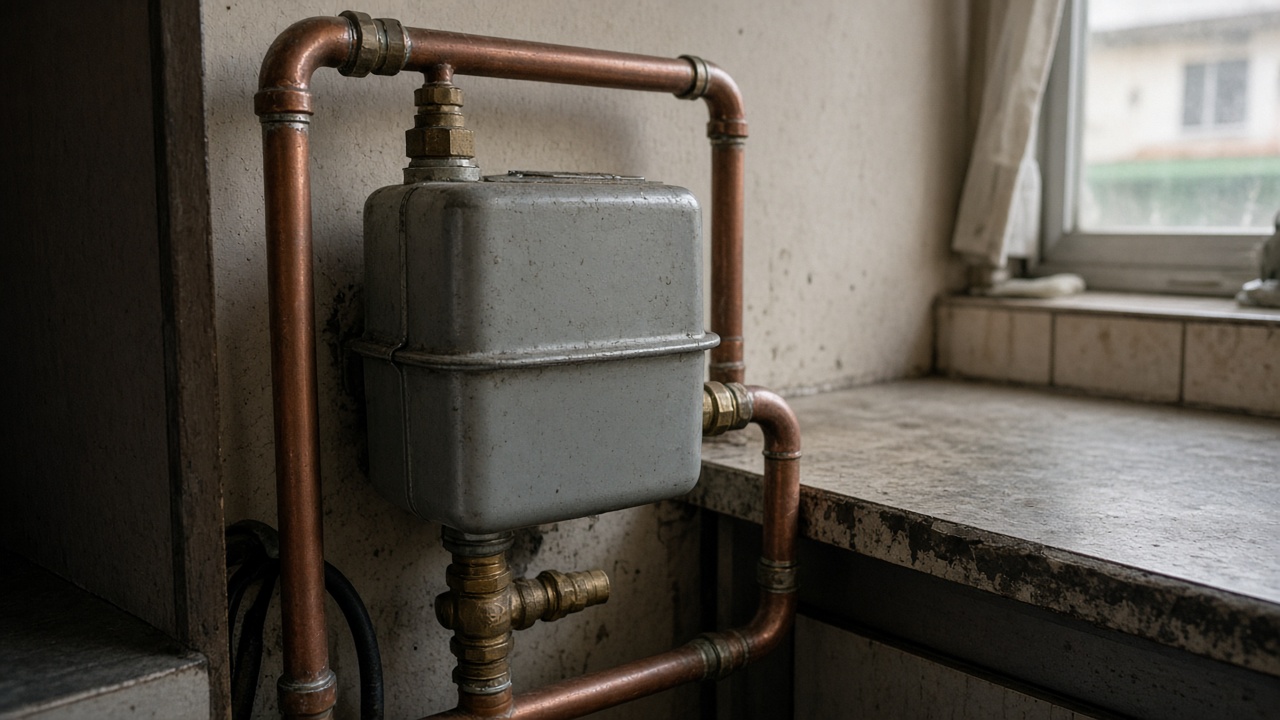
Singapore households cooking on piped town gas will pay 21.45 cents per kilowatt-hour before GST from 1 October to 31 December, City Energy said alongside SP Group’s fourth-quarter electricity revision.
With nine per cent GST, the all-in gas rate is 23.38 cents per kWh for the quarter. The move parallels the 10.4 per cent drop in the regulated electricity tariff to 28.59 cents per kWh before tax, giving families a rare simultaneous easing on two utility lines that often move in the same direction because both track fuel costs with a lag.
How the gas bill is built
Unlike electricity, which has separate network and market-support fees on the SP tariff sheet, town gas is quoted as a single energy rate for residential customers on City Energy’s network. The quarterly reset uses the same broad principle as electricity: costs reflect fuel prices observed in the prior measurement window, not the spot price on the day your bill arrives.
That lag is why October bills can feel disconnected from headlines about Middle East tensions pushing oil higher in late September. SP Group explicitly warned that if elevated fuel prices persist, electricity tariffs could rise again in the next quarter. Gas customers should expect a similar mechanical pass-through.
Who feels the change first
Households buying electricity from SP at the regulated tariff see the cut on October meter readings. Homes on Open Electricity Market contracts only benefit immediately if their plan tracks the regulated tariff or expires soon enough to reprice. Gas has fewer retailer options; most HDB kitchens on piped gas remain on City Energy’s regulated schedule.
For a typical four-room flat, SP estimated the electricity portion alone saves about S$12.99 a month before GST compared with the July to September quarter. Gas savings depend on cooking habits—induction-heavy homes feel less impact—but hawker operators and central kitchens that still rely on gas burners will notice the quarter-on-quarter change on operating statements.
Stacking utilities with GST
Singapore’s nine per cent GST applies to both lines. Budgeting in pre-GST cents remains the habit for many spreadsheets, but PayNow and GIRO deductions pull the GST-inclusive total. If you reconcile accounts after a holiday weekend, check whether your retailer bills GST separately from energy charges.
Credit-card cashback categories rarely distinguish gas from electricity, but some cards bonus utilities MCCs. The more practical lever is usage: NEA’s haze advisory this week already nudged families toward closed windows and air purifiers, which raises electricity draw even as the tariff falls.
What the numbers do not solve
Lower tariffs do not unwind earlier record quarters. The July to September electricity rate of 31.91 cents per kWh before GST was the highest in recent SP tables; October’s 28.59 cents merely retraces part of that spike. Gas followed the same cycle.
Fixed-price electricity plans bought during the expensive quarter may still charge above the new regulated rate until contracts roll. Read your renewal letter before assuming the SP headline applies to your mailbox.
Practical checklist for October statements
Compare the tariff column on your SP bill with City Energy’s gas rate line. If both dropped but your total barely moved, look at consumption—school holidays, GP crowds and haze-related indoor time all push kWh higher. For households juggling mortgage payments after this week’s bank-stock volatility, the utility relief is real but modest relative to loan servicing costs.
City Energy and SP Group will revise again in January unless regulators announce an interim change. Until then, the fourth-quarter gas figure to remember is 21.45 cents before GST—23.38 cents once tax is included.
Commercial kitchens and hawkers
Hawker stalls that still fry on gas burners will see the quarter-on-quarter change on City Energy invoices even if their electricity bill also fell. Central kitchens supplying schools and hospitals run dual-fuel setups; finance teams model both lines when bidding catering contracts.
Restaurants promoting open-kitchen flame grills market ambience, but chefs track gas cents per dish as closely as protein cost. A three-cent move per kWh is not dramatic alone; paired with lower electricity, it frees margin for wage adjustments heading into the year-end peak.