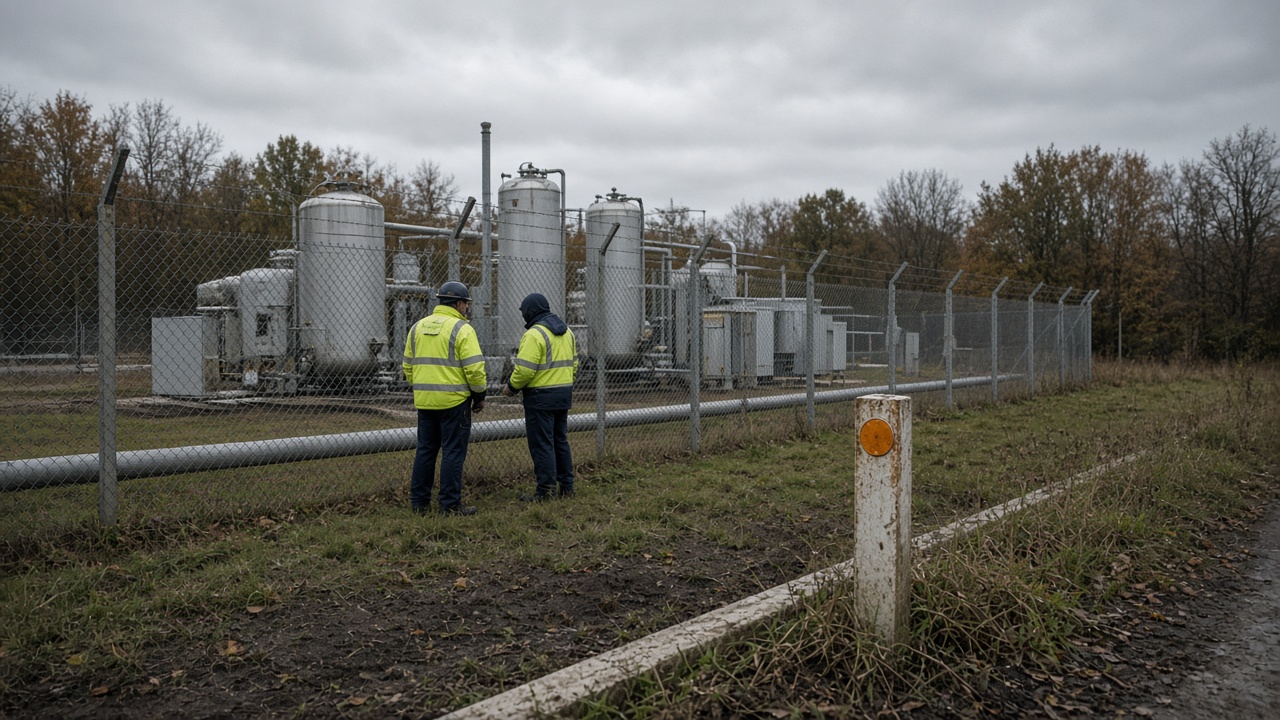
Britain’s winter gas cushion is thinner than official charts suggest, according to a new assessment from the European Network of Transmission System Operators for Gas (ENTSOG), which models how storage across the continent would behave if temperatures plunge in the coming months.
The report warns that UK storage facilities could be drawn down completely by the end of winter if a prolonged cold spell coincides with tight supplies elsewhere in Europe. That outcome is not a forecast of certain blackout, but it is a stress test that energy traders and policymakers are taking seriously on Friday because the United Kingdom still depends on continental reserves when its own caverns run low.
Why the UK leans on EU storage
Unlike Germany or the Netherlands, Britain has limited underground gas storage relative to daily demand. When domestic stocks shrink, importers typically lean on liquefied natural gas (LNG) cargoes and on flows from interconnected pipelines, including routes that allow access to storage sites owned or operated in the European Union.
ENTSOG’s modelling suggests that shared EU storage that Britain can call on in emergencies may itself fall to about 11 percent of capacity under a severe scenario—far below the 30 percent buffer many analysts treat as a comfort zone. EU-wide inventories were about 72 percent full heading into winter, below the roughly 88 percent level operators prefer after the shocks of recent years.
If LNG arrivals are delayed or Asian buyers compete for the same cargoes, the report says storage could drop “well below 30 percent” before spring, increasing the price spike risk for households and factories.
What it means for bills and politics
The warning lands as UK energy bills are already under pressure. Forecaster Cornwall Insight has projected a typical annual bill rising by about £276 to roughly £1,999 in January, on top of increases that took effect this month.
Prime Minister Andy Burnham is separately weighing whether to approve the Jackdaw gas field in the North Sea, which supporters say could add domestic supply. Climate campaigners oppose new extraction, but Friday’s ENTSOG snapshot gives Downing Street another argument from the security side of the ledger: even with renewables expanding, gas still heats most British homes.
Industry groups said the report underscored the need for faster grid investment and for maintaining diplomatic access to EU storage contracts after Brexit rearranged energy governance. No minister issued an emergency statement on Friday, but traders said forward gas prices in Britain ticked higher as the ENTSOG document circulated.
What happens next
National Grid and the Department for Energy are expected to publish their own winter outlook later this month. ENTSOG will update its pan-European balance weekly as weather forecasts firm up.
For consumers, the practical message is to expect volatility: the UK is not imminently “running out” of gas in the everyday sense, but the margin for error is narrower than it was two winters ago, and a cold January could force expensive LNG purchases on the open market.