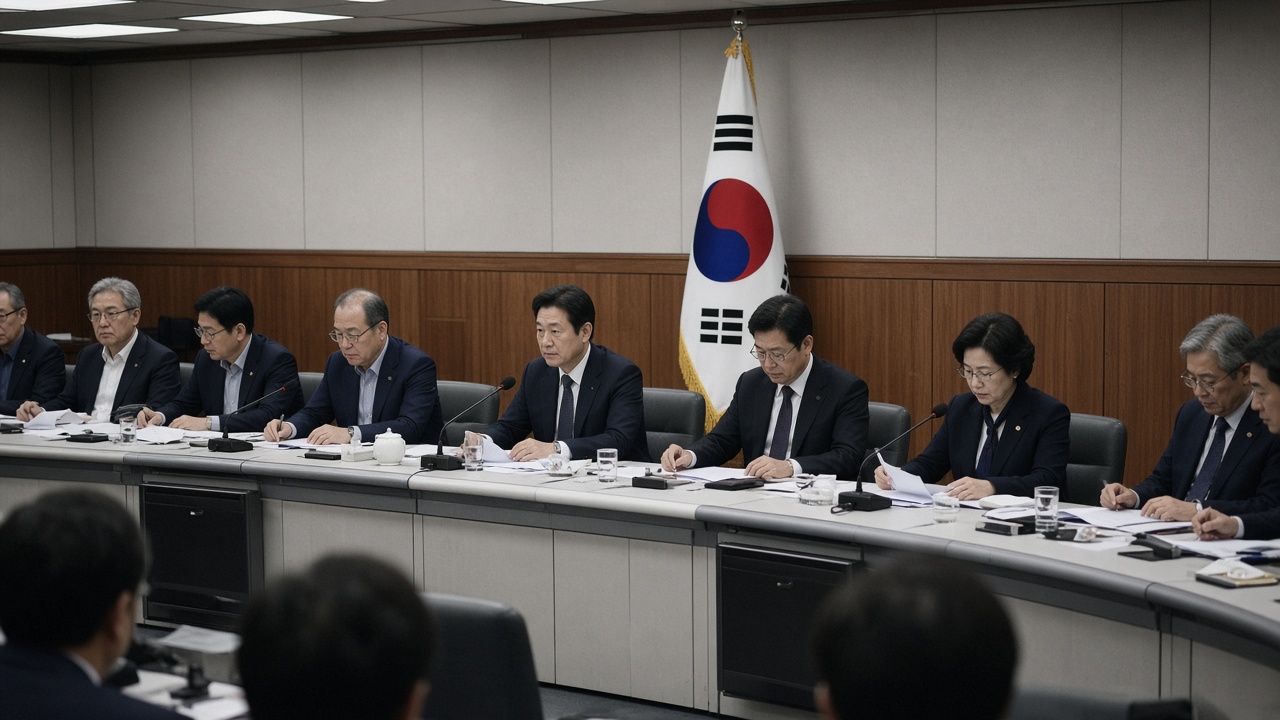
South Korea’s main progressive bloc pressed the government Friday for a full accounting of why Seoul’s spy agency was left out of a June trilateral session on North Korean cyber threats with the United States and Japan, a snub that opposition lawmakers say exposes widening cracks in intelligence sharing with Washington.
The National Intelligence Service acknowledged Thursday that it had not participated in the June meeting after Yonhap News Agency reported the agency was excluded at Washington’s request. While the NIS publicly downplayed the incident, ruling-party and opposition figures treated it as a warning light on bilateral trust at a moment when Pyongyang is accelerating cyber theft and Seoul is modernizing its own strike capabilities.
How the exclusion surfaced
According to Yonhap, U.S. officials organized the cyber-focused trilateral without inviting the NIS, even though South Korean agencies routinely track North Korean hacking units that target defense contractors and cryptocurrency exchanges. The presidential office has not released a detailed timeline, but lawmakers from President Lee Jae Myung’s Democratic Party said the Blue House must explain whether Seoul protested and what assurances it received for future meetings.
People Power Party floor spokesperson Choi Eun-seok went further, urging a government-wide inspection of communication with the United States if “warning signs across the diplomatic, intelligence and security sectors continue.” His comments echoed broader conservative anxiety that Lee’s administration is losing influence in Washington just months into its term.
Background in the uranium disclosure fight
Intelligence veterans in Seoul link the friction to March, when Unification Minister Chung Dong-young disclosed imagery of a North Korean uranium enrichment site at Kusong. Chung argued the material was already public; U.S. officials nonetheless restricted some North Korea-related intelligence flows to Seoul in apparent protest, according to multiple South Korean news accounts this autumn.
That dispute intersects with other irritants: reports of delayed U.S. visa processing for former Democratic Party leader Rep. Jung Chung-rae, and speculation—denied by some Blue House aides—that National Security Adviser Wi Sung-lac might travel to Washington to calm tensions. No such trip was confirmed as of Friday afternoon Seoul time.
Why cyber trilateral access matters
North Korean cyber operations are not an abstract alliance talking point. Seoul’s financial regulators and banks have faced credential dumps after portal outages, and defense planners treat hacking revenue as a sanctions-evasion lifeline for Pyongyang’s missile programs. Exclusion from a U.S.-Japan cyber channel does not mean South Korea lacks bilateral access to American agencies, but it signals prioritization: Tokyo and Washington may coordinate first, leaving Seoul to reconcile policy after decisions are framed.
Progressive lawmakers said they want a closed National Assembly briefing with NIS leadership to learn whether alternative bilateral channels compensated for the missed trilateral and whether any classified North Korean indicators were withheld. Until those questions are answered, the episode will linger as a political cudgel—evidence for the opposition that alliance management requires more than summit photo ops, and a test for Lee’s team of whether it can restore spy-agency seats at tables where the region’s most volatile cyber threats are discussed.